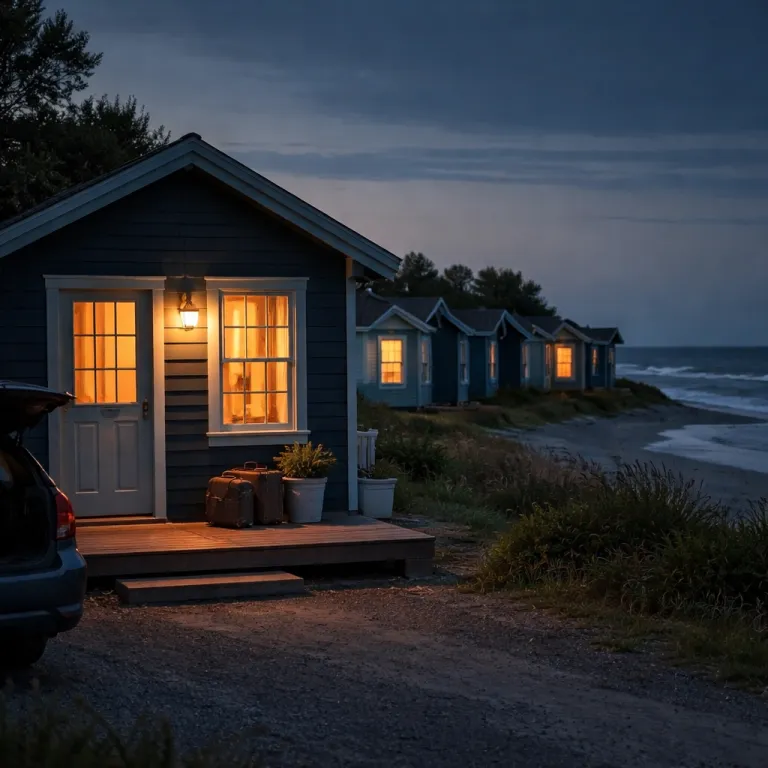
Why compressed booking windows favour the informed luxury cabin guest
The average cabin booking window shrinking from 19 to 15 days quietly rewrites how you should approach last-minute cabin rates. Those four lost days mean that luxury cabins in places like Gatlinburg, Pigeon Forge and Wears Valley now release their best unsold nights far closer to arrival, which is a gift if you can move quickly and think clearly under time pressure. For business leisure travelers used to rigid calendars, this new rhythm rewards those willing to pivot a meeting schedule and turn a two-night stay into a three-night stay with a sharper rate and a better view.
Shorter booking windows benefit you because owners hate empty cabins more than they love rate integrity. When a high-end property with two or three bedroom configurations sits unsold five nights before arrival, dynamic pricing tools start cutting, and last-minute deals on a four-bedroom cabin with a hot tub and a panoramic Smoky Mountain view suddenly appear on your screen. The key is understanding that these short-notice offers are not random generosity but the visible edge of algorithms trying to balance occupancy, revenue and the risk of a night free if no guests arrive.
For travelers targeting the Smoky Mountains, this compression is most obvious in peak months such as June–July and July–August. A luxury cabin rental above Gatlinburg that once filled a full month ahead now often holds back inventory until the last week, especially for midweek nights when business guests might extend a work trip into a quiet vacation. If you are flexible on which cabin, which bedroom layout and which exact stay dates you choose, cabin rentals in Pigeon Forge or Wears Valley can become a playground of strategic last-minute opportunity rather than a stressful scramble.
Providers have adapted quickly, and the smartest luxury platforms lean into this behaviour. Tall Timber Lodge in New Hampshire, Cabinscape in Ontario and Cabins for YOU in Gatlinburg and Pigeon Forge all maintain dedicated last-minute cabins pages where unsold inventory is surfaced with clear discounts. Public-facing guidance from these operators, combined with broader travel trend commentary, suggests that around 30% of travelers now book at the last minute, and that typical short-notice discount levels hover near 20%, which is meaningful when you are paying for three or four nights in a premium vacation rental.
For you as a guest, the practical playbook is simple but disciplined. Check provider websites directly for last-minute deals, keep your preferred payment methods stored in mobile wallets and be ready to confirm cabin options the moment a compelling rate appears. Sign up for deal alerts from cabin rental companies, because availability for last-minute bookings is never guaranteed and often depends on cancellations and shifting demand patterns in each park-adjacent market.
Luxury does not disappear when you book late; it just looks different. Instead of obsessing over a single cabin, focus on categories such as pet-friendly bedroom cabins with a hot tub, or elevated vacation rentals with a strong view and quiet decks. That mindset lets you pivot between several cabins in Gatlinburg, Pigeon Forge or Wears Valley, capturing attractive last-minute cabin pricing without sacrificing the calm, woodsmoke-filled nights you came for.
How last minute pricing reshapes cabin ownership and rate strategy
For owners, the compressed booking window is not a quirky trend; it is a structural shift that changes the economics of every cabin. When peak season booking windows fall from 34 to 29 days, the traditional model of locking in most revenue a month ahead no longer holds, especially for high-value vacation rentals in the Smoky Mountain corridor. Revenue growth now depends less on raw occupancy and more on how precisely last-minute cabin pricing responds to demand curves that move by the hour.
Dynamic pricing tools, once a nice-to-have, are now the central nervous system of serious cabin rentals. These systems watch search patterns for cabins and bedroom cabins, track cancellations and adjust rates for each night stay, sometimes three or four times a day in July–August or September–October. Owners who still rely on static rate cards risk either leaving money on the table during surging weekends or discounting too late, ending up with a painful night free in a premium cabin that should have hosted high-spending guests.
The real tension sits between rewarding early planners and monetising spontaneity. Many luxury owners in Gatlinburg or Pigeon Forge now run parallel strategies, offering modest early booking perks for June–July while holding back a slice of inventory for last-minute guests who will pay more for a specific weekend. That means your decision to secure cabin dates early or wait for short-notice deals is no longer just about personality; it is about choosing which side of the pricing curve you want to stand on.
Platforms such as Cabins for YOU illustrate this balancing act in the Smoky Mountains. They promote last-minute cabins in both Gatlinburg and Pigeon Forge while still courting advance bookings for marquee holiday nights in July and October, using dynamic pricing to keep both segments engaged. Cabinscape, operating off-grid tiny cabins in Ontario, leans even harder into short-notice stays, with a dedicated last-minute category that updates as cancellations free up remote cabins that would otherwise sit empty.
For coastal luxury cabin seekers, the same logic applies in different landscapes. Properties like Casa Fortuna, positioned as an elevated coastal escape for luxury cabin seekers, show how high-end owners can use flexible last-minute cabin rates to fill shoulder season gaps without eroding brand value. By framing late discounts as curated opportunities rather than fire sales, these hosts protect rate perception while still ensuring that few nights go unbooked.
Owners also face operational consequences when bookings cluster inside a 15-day window. Housekeeping teams must pivot faster between back-to-back nights, maintenance windows shrink and every unexpected night free becomes a chance to slot in urgent repairs rather than pure lost revenue. The most sophisticated operators now treat pricing, operations and marketing as a single system, where a decision to open pet-friendly inventory or adjust a hot tub cleaning schedule is made with live booking data on the screen.
Redefining peak season and the rise of the shoulder season cabin stay
Compressed booking windows do more than change when money arrives; they redraw the map of what counts as peak season in cabin country. In the Smoky Mountain region, the classic narrative once ran from June–July family trips through the fiery foliage of September–October and into the last crisp nights of October. Now, with guests waiting until the last minute to commit, demand spikes are sharper, shorter and more weather dependent, which opens quiet seams of value for those willing to travel just outside the obvious dates.
For example, August–September used to be a soft landing after the school holiday rush, but cabin rentals in Wears Valley and Pigeon Forge now see micro peaks built around long weekends and remote work flexibility. Owners respond with targeted last-minute cabin pricing, nudging rates up for three-night stay patterns while quietly releasing short-notice deals on midweek nights that would otherwise languish. If you can slip away for a two-night stay from Tuesday to Thursday, the Smoky Mountains suddenly feel like a private park, with premium bedroom cabins and pet-friendly options priced more gently than the surrounding weekends.
Business leisure travelers are uniquely positioned to exploit this new seasonality. A Los Angeles–based executive flying east for meetings can now tack on a refined coastal vacation or a mountain retreat with only 48 hours’ notice, using mobile-first booking flows and instant payment tools to secure a cabin before boarding the flight. Properties featured in curated collections of Los Angeles villa escapes and luxury cabin stays for a refined coastal vacation show how the same guest might split a week between ocean and forest, using last-minute pricing to keep the overall budget in check.
In mountain markets, the redefinition of peak season also changes which cabins win. Smaller one or two bedroom cabins with a strong view and a well-maintained hot tub tend to fill first on short notice, because they suit couples and solo travelers extending work trips. Larger bedroom configurations, designed for eight or ten guests, now rely more heavily on advance group planning or on sharp last-minute deals when a planned reunion falls through and the calendar suddenly shows three empty nights in July–August.
For you, the strategy is to think in seasons within seasons. Look at the calendar not as high and low, but as a series of micro windows where cabin rentals in Gatlinburg, Pigeon Forge and Wears Valley behave differently, especially around school returns, regional festivals and shifting foliage patterns. A carefully timed shoulder season vacation rental can deliver the same Smoky Mountain magic, the same park access and the same star-heavy nights, at a price that reflects the new reality of compressed demand rather than the old mythology of a monolithic peak.
Romantic travelers, in particular, can benefit from this fractured seasonality. Instead of chasing the most crowded weekends, consider a midweek escape to a one-bedroom cabin with a private deck, then use curated guides to romantic escapes and the finest cabins for couples to choose a property where the luxury is measured in silence rather than square metres. In this new landscape, the most rewarding last-minute cabin rates are often found not where everyone wants to be, but one quiet week to either side.
The mobile first, last minute cabin guest and the new definition of service
The shift toward last-minute cabin bookings is inseparable from the way you now book and pay. Mobile-first platforms, one-tap authentication and frictionless payment options such as Apple Pay and Google Pay have stripped out the delay that once separated browsing from commitment, especially for repeat guests who already know their preferred Smoky Mountain valleys. When a push notification announces fresh last-minute deals on a favourite cabin, the time between seeing the rate and confirming a night stay is often measured in minutes, not hours.
Gen Z and Millennial travelers are driving much of this behaviour, but business leisure guests are close behind. A senior executive can now leave a downtown meeting, open a cabin rentals app and secure options in Gatlinburg or Pigeon Forge for the coming weekend before the elevator doors open. That spontaneity is not just a lifestyle flourish; it is a structural reason why last-minute cabin pricing has become the primary lever for revenue management, overtaking the old obsession with annual occupancy percentages.
Service expectations evolve alongside this speed. When you reserve a pet-friendly vacation rental with a hot tub on a Thursday for a Friday arrival, you expect digital check-in, clear driving directions and responsive messaging that feels as polished as any five-star hotel. Providers such as Tall Timber Lodge, Cabinscape and Cabins for YOU have responded by tightening operations around short-notice stays, because as their own guidance makes clear, “Check provider websites for last-minute deals,” “Be flexible with dates and locations,” and “Sign up for deal alerts from rental companies.”
For owners, the operational strain is real, but so is the upside. A cabin that might once have sat empty for three nights in late October can now be filled by a last-minute vacation booking triggered by a weather forecast promising clear skies over the Smoky Mountains. The expected impact is straightforward: increased occupancy rates for providers and cost savings for travelers who are willing to let the calendar breathe a little, accepting that availability for last-minute bookings is never guaranteed and always shaped by cancellations and live demand.
Luxury platforms that serve this guest well are rethinking what premium means. It is no longer just thread count and square footage, but the confidence that a two-bedroom cabin with a mountain view, a working fireplace and a ready hot tub will be spotless and waiting even when you booked it 24 hours earlier. The best last-minute cabin strategies pair that operational reliability with transparent communication, so you understand why a particular night-free offer appears, or why a three-night minimum suddenly relaxes for a gap between longer stays.
For you, the final shift is psychological. Instead of treating last minute as a compromise, start seeing it as a deliberate way to travel, one that trades a little uncertainty for better pricing and more vivid, less scripted vacations. In a world where cabins, vacation rentals and coastal retreats all dance to the same compressed booking rhythm, the most rewarding trips often begin not with a year of planning, but with a well-timed decision made a few days before the car points toward the mountains.
Key figures shaping last minute luxury cabin pricing
- The average booking window for short-term rentals has fallen from 19 days to 15 days over recent years, while peak season windows have tightened from 34 to 29 days, according to aggregated data discussed in PriceLabs short-term rental trend briefings (2021–2023), which directly increases the share of revenue decided inside the final two weeks before arrival.
- Industry analysis referenced by Tall Timber Lodge, based on its own guest mix and wider sector commentary rather than formal published datasets, indicates that around 30% of travelers now book their stays at the last minute, meaning nearly one in three guests interacts with short-notice pricing rather than traditional advance purchase models.
- Average last-minute discounts on cabins are often reported near 20% off standard rates in many North American markets, again drawing on Tall Timber Lodge’s internal benchmarking and similar provider observations, which can translate into several hundred dollars saved on a three or four-night stay in a premium vacation rental.
- Reports from Beyond Pricing on short-term rental trends and generational booking behaviour (early 2020s briefings) highlight that Gen Z and Millennial travelers are the primary drivers of spontaneous, short-notice trips, which pushes owners to align cabin rentals, operations and marketing with mobile-first, same-week booking behaviour.
- Travel industry trend guides show that revenue growth for cabin owners is now more closely tied to dynamic pricing strategy than to occupancy alone, encouraging the adoption of tools that adjust rates daily for cabins, bedroom cabins and larger group-friendly properties.
- Sector-wide monitoring confirms increased use of mobile apps for bookings and payments, with Apple Pay and Google Pay reducing friction at checkout and making it easier for guests to confirm last-minute deals within minutes of receiving alerts.
References
- PriceLabs – Short-term rental trends and booking window analysis (2021–2023 reports, including annual booking window summaries and seasonal demand breakdowns).
- Beyond Pricing – Short-term rental trends and generational booking behaviour (early 2020s briefings on mobile-led, last-minute reservations).
- Tall Timber Lodge, Cabinscape, Cabins for YOU – Provider-level observations on last-minute cabin discounts and occupancy, based on publicly shared guidance and commentary rather than audited statistical releases.