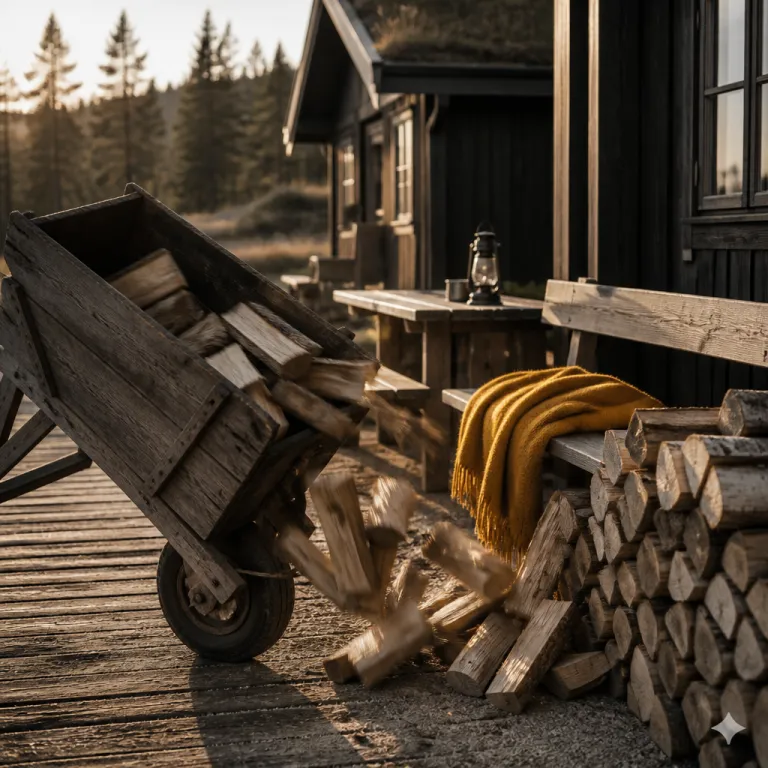
The Nordic hytte cabin model as a cultural blueprint
In Norway, the Nordic hytte cabin model is less product and more ritual. A hytte is a traditional Norwegian cabin that families return to over time, treating the wooden structure as a shared memory bank rather than a simple rental. For American travelers used to one-off stays, this shift in cabin culture changes how a wooden house in the mountains should feel from the moment you step inside.
Across Norway there are around 480,000 registered hytter for a population of roughly 5.5 million, according to Statistics Norway, which means the Norwegian cabin is not a niche escape but a parallel home system. These cabins Norway wide are usually modest in size, often a small cabin with a compact interior and a low sloping roof that sits quietly in the landscape instead of dominating it. The architecture is guided by Norway’s traditional values of restraint, durability, and respect for cabin nature rather than by showpiece luxury.
Norwegian cabin owners act more like custodians than investors, and that attitude is what American hosts can borrow. The typical cabin Norway is wooden, with a fire pit outside, a simple sauna nearby, and a cabin view that frames forest or mountain rather than parking lots. When you book a Norway cabin, you are stepping into a tradition where guests are expected to embrace simplicity, participate in communal activities, and respect nature.
Norwegian hytte culture emphasizes simplicity and community. A hytte Norwegian stay is about shared meals, shared chores, and shared time, not private suites and endless amenities. For a U.S. host designing wooden cabins in Vermont or a rustic cabin in Colorado, the Nordic hytte cabin model suggests that the perfect place is the one where the house, the guests, and the surrounding landscape feel like one continuous room.
Design principles of the hytte: small, wooden, and deeply social
The most striking thing about a traditional Norwegian hytte is its scale. These wooden cabins are usually compact, with a small cabin footprint that keeps heating efficient and keeps people close, which is exactly what cabin design for community needs. Instead of sprawling floor plans, the interior is organized around a single social core where cooking, eating, and lingering happen in the same warm pool of light.
In classic Scandinavian architecture, the wooden cabin is treated as a tool for framing the outdoors, not hiding from it. Large windows create a generous cabin view, but the glass is there to keep you in conversation with the mountain and forest landscape rather than to show off a design trick. A modern hytte in Norway might use cleaner lines and darker timber, yet the cabin nature relationship remains the same, with the house sitting low and respectful in its setting.
American hosts can translate this cabin design logic directly. Start with a wooden house shell that feels honest, then carve out multipurpose rooms where a long table can host breakfast, board games, and late night wine in turn. When you look at an elegant A frame retreat such as the refined escape featured in this A frame cabin in the woods, you see the same principle at work, with architecture that pulls guests together rather than scattering them across wings.
Outdoor living is not an optional extra in the Nordic hytte cabin model. A simple fire pit, a bench facing the best cabin view, and perhaps a wood fired sauna turn the exterior into another room, extending cabin culture beyond the walls. For U.S. travelers choosing between cabins, the properties that feel most Norwegian are the ones where the path from interior to exterior is short, clear, and irresistible every time you glance outside.
Sauna, meals, and shared rituals: how community is built
Hytte life in Norway is structured around repeated rituals that make strangers feel like temporary family. The sauna is not a spa add on but a social chamber, where guests sit in quiet heat, step out into cabin nature, and then return to the wooden benches for another round. Over time, this rhythm does more for connection than any scheduled activity list.
Inside a traditional Norwegian cabin, the kitchen table is the real lobby. Long, slow meals stretch across time, with everyone contributing something, and the wooden house fills with the smell of coffee, stews, and drying wool socks. When American hosts design cabins Norway style, they should prioritize generous tables, open shelving, and cookware that invites guests to treat the place as a shared farm house rather than a fragile showroom.
Communal spaces do not need to be large to be effective. A cozy cabin corner with built in benches, a pin board for shared notes and local tips, and a view toward the fire pit can become the social heart of a small cabin. At night, the combination of flames, mountain air, and low conversation turns a simple rustic cabin into the perfect place for the kind of connection slow travel guests now seek.
Some American and European properties are already leaning into this Nordic hytte cabin model of shared ritual. In the Scottish Highlands, WildLand Hope has reworked a nineteenth century lodge with oak, tweed, and flax interiors, then added a forest cabin with a wood fired hot tub that functions much like a Norwegian sauna. Across the Atlantic, Caribbean retreats such as the timber rich hideaway highlighted in this elevated cabin style villa in St Barts show how even coastal architecture can borrow hytte Norwegian ideas of warm wood, layered textures, and communal terraces.
Pricing, loyalty, and what American hosts can learn from hytte economics
Norwegian cabin owners rarely chase top nightly rates, and that restraint is strategic. By keeping prices aligned with simplicity rather than spectacle, they attract guests who value time, landscape, and tradition over amenities, which in turn supports high repeat bookings within extended families and friend groups. The Nordic hytte cabin model shows that a wooden cabin can generate strong long term returns by prioritizing loyalty instead of constant churn.
For American hosts, the lesson is clear. A Norway cabin that feels honest, with a straightforward wooden interior, a reliable sauna, and a well maintained fire pit, will often outperform a flashier property in guest satisfaction and retention. When travelers know that a cabin Norway stay will deliver the same calm cabin view, the same access to cabin nature, and the same communal spaces each visit, they start treating it as their own seasonal home.
Slow travel trends support this approach. Travelers are spending more time in fewer locations, seeking rest, culture, and connection rather than ticking off attractions, which aligns with the traditional Norwegian rhythm of returning to the same cabins year after year. A host who leans into this can design pricing for longer stays, offer small loyalty gestures, and frame the wooden house as a recurring chapter in a guest’s life rather than a one night stand.
Even in urban linked markets, the Nordic hytte cabin model can guide strategy. A modern Scandinavian inspired cabin on the edge of a U.S. national park can be priced modestly but positioned as a repeat retreat, with a pin board tracking returning guests and a guestbook that celebrates cabin culture stories. For travelers comparing options on curated platforms such as the refined stays featured in this guide to superior rooms that blend comfort and style, the cabins that speak clearly about tradition, community, and continuity will stand out every time.
Translating the Nordic hytte cabin model to American landscapes
Adapting the Nordic hytte cabin model to the United States starts with humility toward the land. Whether you are building in the Appalachians, the Rockies, or the Adirondacks, the wooden cabin should sit low, follow the slope, and frame the strongest view without shouting, just as cabins Norway wide do in their own valleys. A small cabin with a tight footprint and a generous porch often feels more luxurious than a sprawling house that ignores its surroundings.
Material choices matter as much as layout. Use local timber where possible, keep the interior palette restrained, and let one or two crafted pieces carry the room, echoing the quiet confidence of Norway traditional design. A cozy cabin in Oregon or a rustic cabin in Montana can feel distinctly Norwegian when the architecture is simple, the wooden surfaces are honest, and the transition from interior to exterior is almost seamless.
Hosts should also think about how to embed cabin culture into the stay. Provide a clear guide to local trails and swimming spots, set expectations for shared use of the sauna or hot tub, and encourage guests to leave notes on a communal pin board for the next visitors. Over time, these gestures turn a wooden house into a living archive of stories, much like a long loved Norway cabin passed between generations.
Finally, remember that the perfect place in this model is defined by how people feel together, not by how the property photographs. A traditional Norwegian inspired cabin view might be a simple line of pines, a distant mountain, or a quiet meadow, yet when paired with a warm interior and a reliable fire pit, it becomes enough. For American hosts willing to learn from the Nordic hytte cabin model, the reward is a guest community that returns, recommends, and treats the cabin as part of their own tradition.
FAQ
What is a hytte in the Nordic context ?
A hytte is a traditional Norwegian cabin emphasizing simplicity and nature. In practice, it is usually a modest wooden cabin in the mountains or by the coast, used regularly by the same families over time. The focus is on shared experiences, basic comforts, and a close relationship with the surrounding landscape.
How does hytte culture promote community among guests ?
Hytte culture promotes community through shared spaces and communal activities. Guests cook together, use the sauna in groups, and gather around the fire pit or table rather than retreating to private rooms. This design of both interior and exterior encourages conversation, cooperation, and a sense of temporary village life.
Can American cabin hosts realistically adopt the Nordic hytte cabin model ?
American cabin hosts can adopt hytte principles by focusing on simplicity and community engagement. This means designing smaller wooden houses with multipurpose rooms, prioritizing outdoor living, and setting expectations for shared rituals like group meals or sauna sessions. The key is to treat the cabin as a long term gathering place rather than a short term spectacle.
What design elements make a cabin feel authentically Norwegian inspired ?
An authentically Norwegian inspired cabin usually has a compact footprint, a restrained Scandinavian interior palette, and large windows framing a calm cabin view. Natural wood dominates both structure and finishes, while the architecture sits quietly in the landscape. Simple amenities such as a wood stove, a sauna, and a well placed fire pit complete the sense of tradition.
Why do Norwegian cabins often achieve strong repeat guest rates ?
Norwegian cabins achieve strong repeat rates because they are priced fairly, feel consistent over time, and are embedded in family and friend traditions. Guests know what to expect from the wooden cabin, from the interior layout to the surrounding nature and communal routines. This reliability turns a single stay into a recurring ritual, which is the core strength of the Nordic hytte cabin model.