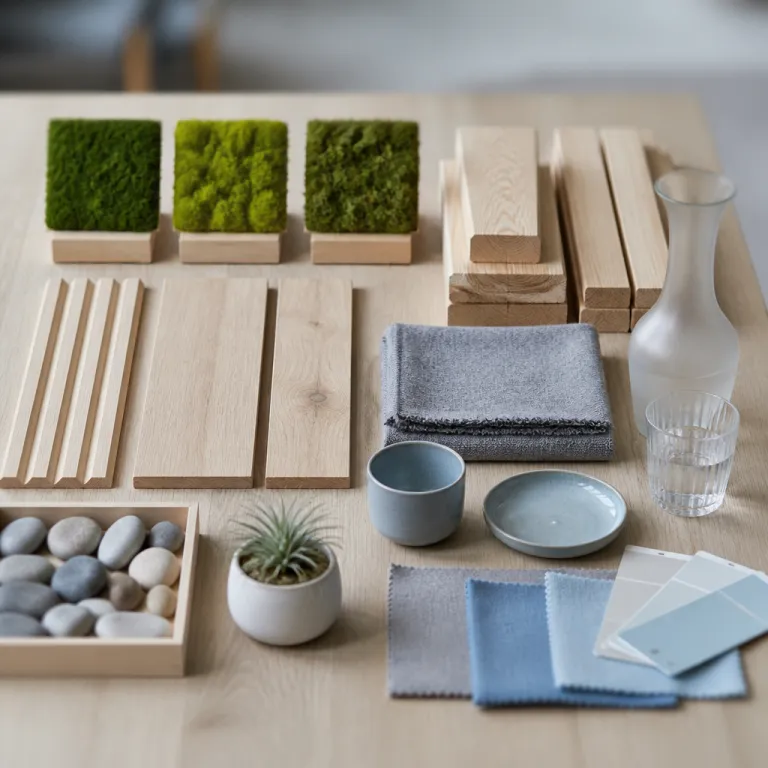
Why biophilic cabin interiors feel different the moment you arrive
Step into a well considered biophilic cabin and the shift is immediate. A nature-led cabin interior wraps you in wood, plants, and filtered daylight that feel closer to a forest clearing than a conventional guest room. This is where architecture, interior design, and the surrounding landscape work together to create a calm living space that couples remember long after checkout.
Biophilic design simply means design that connects people with nature, and cabins are the perfect homes for this philosophy because their compact spaces concentrate every natural material and every view. When urbanization disconnects people from nature, a stay in a tiny timber house with generous glazing and visible structure restores that connection to nature in a very physical way. You are not just looking at the landscape from a distance; you are sleeping inside a place where natural elements, from timber cladding to stone floors and layered plants, are the main materials rather than decoration.
Design studios and architects now treat the cabin as a laboratory for biophilic interior experiments that would feel excessive in a city apartment. Raw wood beams, exposed joinery, and thick window seats create spaces where you can sit close to the glass and feel the change in weather. Interior designers then refine the cabin decor with biophilic elements such as moss panels, indoor trees, and linen textiles so the interior feels soft, warm, and unmistakably natural. For couples used to polished hotel corridors, this direct connection to the outdoors often feels like a luxury upgrade rather than a rustic compromise.
Living walls, moss panels, and plants as the new cabin amenities
On premium cabin booking platforms, the photos that stop people scrolling now often show a living wall rather than a television. Moss walls in interiors, once reserved for corporate lobbies, have moved into the biophilic cabin interior vocabulary because they bring natural elements to vertical surfaces that were previously dead space. A single moss panel behind the bed can turn a compact house into a sanctuary, while full height living walls in larger cabins create lush green backdrops for slow mornings and late night conversations.
Guests frequently ask, “What is biophilic design?” and the most practical answer is this line from the research community: “Design that connects people with nature.” In cabins, that connection to nature is made tangible through layered plants, from potted ferns in bathrooms to trailing vines above kitchen shelving and small indoor trees near sliding doors that open to outdoor living decks. These biophilic elements do more than look good in photos; they subtly regulate humidity, soften acoustics, and contribute to mental health and a sense of wellbeing that guests can feel but may not immediately name.
For owners, the maintenance question is real, especially in seasonal cabins that sit empty for weeks. The most successful interior designers choose hardy species such as snake plants, philodendrons, and preserved reindeer moss, paired with irrigation systems that keep plants and moss walls stable between stays, so the interior design remains fresh without constant attention. When these living systems are integrated into the architecture rather than added as afterthoughts, they become durable amenities that justify higher nightly rates and often feature prominently in design awards submissions for nature focused cabins. A well documented example is the “Forest Bath” micro-cabin by Olson Kundig (completed 2019), where integrated planters and preserved moss panels are treated as permanent architectural features rather than removable decor.
Raw timber, natural materials, and the architecture of comfort
Raw timber is the backbone of many memorable cabins, and guests feel the difference between a thin laminate and honest wood. When mass timber structure, solid flooring, and timber cladding are left visible, the nature-based cabin interior gains depth, texture, and a faint scent that no diffuser can replicate. This is where natural materials and natural light combine to create spaces that feel both robust and gentle, especially for couples seeking a quiet place to reset.
Is raw timber sustainable? Yes, when sourced responsibly. That simple statement from sustainability experts underpins a growing shift toward natural material palettes that reduce embodied carbon while elevating architecture as an experience rather than a backdrop. In practice, this means cabins built with local wood species, stone from nearby quarries, and lime based plasters that age gracefully, so the house weathers into the landscape instead of fighting it. These choices align with design principles of biophilic interior design, where every surface you touch reinforces a connection to the region outside your window. A frequently cited report from the World Green Building Council, “Bringing Embodied Carbon Upfront” (2019), notes that responsibly sourced timber can significantly lower lifecycle emissions compared with conventional steel and concrete structures.
From a guest perspective, the perceived value of raw timber finishes often exceeds the actual construction cost difference. A tiny cabin with carefully detailed joinery, deep window reveals, and a single sculptural staircase in wood can feel more luxurious than a larger space filled with synthetic materials. Owners who work with an experienced interior designer or design studio can calibrate where to invest in natural materials, where to introduce biophilic elements like stone basins or clay walls, and how to frame views so that the architecture, interior, and outdoor living terraces read as one continuous living space. As one cabin owner in the Pacific Northwest put it, “We spent less on square footage and more on solid wood and light, and guests consistently describe the place as the most relaxing room they have ever slept in.”
How biophilic interiors photograph, rate, and influence guest wellbeing
On a luxury cabin booking page, the first image has seconds to communicate atmosphere. Biophilic cabin interior strategies photograph exceptionally well because green plants against warm wood grain create instant visual contrast and a clear sense of place. When natural light washes across moss walls, timber cladding, and stone, the camera captures depth that flat painted surfaces simply cannot match. For photography, consider alt text such as “biophilic cabin interior with moss wall and timber ceiling” or “sunlit bedroom with living wall and forest view” to describe images accurately for search and accessibility.
Design industry reports have tracked an increase in biophilic design adoption of roughly 30% over the past decade, with summaries by organizations such as Terrapin Bright Green in “The Economics of Biophilia” (2012) highlighting growing demand for nature-connected spaces. Cabins are a visible part of that shift. Architectural integration, where properties blend into their natural environment through low silhouettes, natural materials, and restrained lighting, consistently earns higher guest ratings in travel media and booking platforms. Research into mental health and environmental psychology, including studies summarized by Terrapin Bright Green and the WELL Building Standard (first launched in 2014), supports what many couples feel intuitively during a stay: proximity to nature, views of trees, and interiors rich in biophilic elements can lower stress levels and improve sleep quality.
For owners, this is not just an aesthetic conversation but a performance one. Cabins that align their interior layout with passive solar strategies, generous glazing, and cross ventilation often feel more comfortable across seasons, which guests notice even if they never read a floor plan. If you want to go deeper into how architecture and sun paths shape comfort, look at guidance on passive solar design in modern cabins, which explains why some living spaces feel warm and bright from the moment you wake. When that environmental comfort is paired with thoughtful interior design and a strong connection to nature, reviews tend to highlight restfulness, romance, and a sense of being genuinely away.
Practical guidance for choosing a biophilic cabin for your next stay
When you browse a premium cabin booking website, read the listing as carefully as you would a restaurant menu. Look for explicit mentions of biophilic cabin interior features such as living walls, indoor gardens, or moss panels, and scan photos for evidence of real plants rather than plastic decor. Pay attention to how the architecture frames the landscape; a well placed window seat or tiny reading nook can turn a compact house into a generous living space if the view and natural light are right.
Materials matter, so study the surfaces in each image and in the description. Seek cabins where natural materials like solid wood, stone, and lime plaster dominate, and where timber cladding appears both outside and inside to strengthen the connection between interior and exterior spaces. Ask hosts or property managers about maintenance routines for plants and living systems, because a truly biophilic interior requires an engaged team behind the scenes to keep the natural elements healthy and the air quality high.
Finally, consider how you want to use the place during your stay. If outdoor living is central to your trip, choose cabins where decks, hot tubs, and fire pits are positioned as extensions of the interior design, not afterthoughts tacked onto the side. Couples who value quiet reading, long baths, and slow mornings should prioritize cabins with layered lighting, comfortable seating, and clear evidence that an interior designer has shaped the space for lingering. When design principles, natural environment, and thoughtful hospitality align, the cabin stops being just a house in the woods and becomes a temporary home that supports your health and wellbeing in ways a standard hotel room rarely can.
FAQ
What is biophilic cabin design interior in practical terms for guests?
Biophilic cabin design interior means the architecture, interior design, and decor are organized to strengthen your connection to nature through natural materials, plants, and light. In practice, you will see exposed wood, stone, moss walls, and generous windows that frame the surrounding natural environment. The goal is to create living spaces that feel calming, tactile, and rooted in place rather than generic.
Do moss walls and living plants require a lot of maintenance in cabins?
Moss walls in interiors are usually preserved or supported by discreet irrigation, so they need less maintenance than a full indoor garden. Seasonal cabins often rely on hardy plants, automated watering, and regular checks between bookings—typically every one to three weeks in busy seasons—to keep biophilic elements healthy. When owners and their teams manage this well, guests enjoy lush interiors without noticing the work behind the scenes.
Are raw timber and other natural materials really sustainable choices?
Is raw timber sustainable? Yes, when sourced responsibly. Cabins that use certified wood, local stone, and other natural materials can reduce embodied carbon while creating warmer, more characterful interiors. Responsible sourcing and thoughtful design principles are essential, which is why many owners collaborate with architects and interior designers who specialize in sustainable architecture.
How does a biophilic interior affect mental health and overall wellbeing?
Research into mental health and environmental psychology shows that proximity to nature, views of greenery, and natural light can reduce stress and support better sleep. A biophilic interior amplifies these effects by surrounding you with plants, wood, and other natural elements throughout the day. Guests often report feeling more rested and grounded after a stay in a cabin where the interior design is closely tied to the natural environment.
What should couples look for when booking a biophilic cabin online?
Couples should look for clear references to biophilic design, natural materials, and outdoor living spaces in the listing description and photos. Signs of quality include real plants, visible timber cladding, thoughtful window placement, and interiors that feel cohesive from living room to bedroom to terrace. Reading reviews for mentions of comfort, atmosphere, and connection to nature will also help you identify cabins where the biophilic cabin interior genuinely enhances the stay.