Off grid woodland cabins as a new public land model
Across the United Kingdom, a quiet experiment in off grid cabin woodland UK stays is reshaping how public forests host paying guests. Unyoked has partnered with Forestry England to place architect designed grid cabins deep in managed woodland, offering remote seclusion while generating new revenue for public land management. For travellers used to a conventional cabin near a road or farm, these woodland cabin sites feel markedly wilder, yet they sit within carefully monitored national forests rather than unregulated wild land.
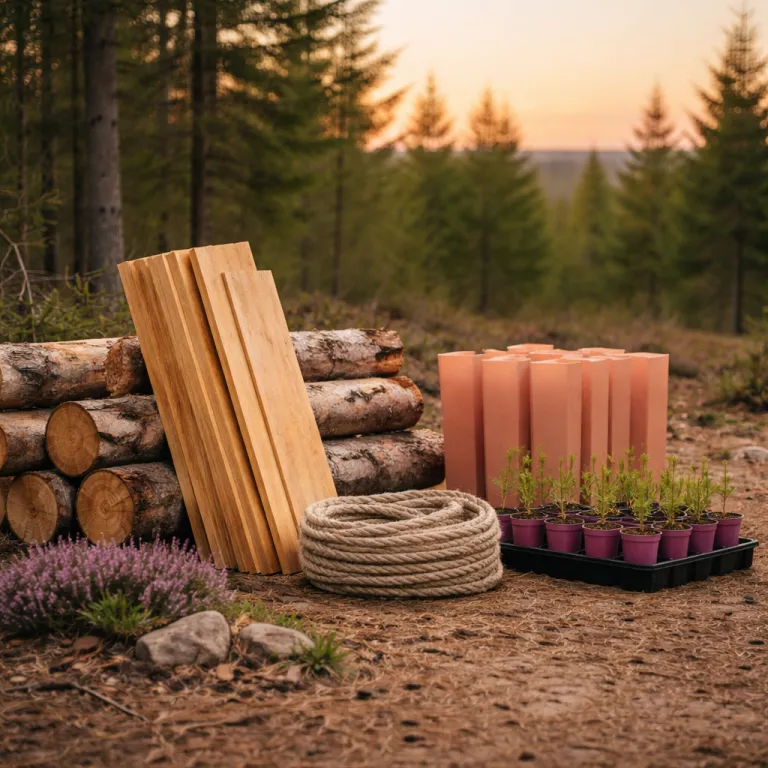
The lease structure keeps ownership of the land with Forestry England, while Unyoked and other private owners operate the cabins and handle guests, maintenance and environmental compliance. Each cabin is built in sustainably sourced wood, runs on solar power, and uses rainwater harvesting and composting toilets, so the grid cabins avoid heavy infrastructure and keep the forest floor largely untouched. This model echoes the way some national parks manage shepherd huts or glamping pods, but here the emphasis is firmly on low impact design and a stay that feels genuinely remote rather than like a campsite with hot tubs.
According to sector data, around fifty off grid cabins now operate across UK woodland and moorland, with average occupancy hovering near three quarters of available nights. Operators such as The Lazy T in the North York Moors, Escape Off The Grid in England’s Areas of Outstanding Natural Beauty, Denton Reserve in the north and Otium in scattered woodlands all report strong demand for a night or two away from the grid. For a luxury booking platform, this creates a distinct category alongside lake lodges, farm conversions and high end glamping, where the promise is not a spa but a dark sky, silence and the smell of wet trees after rain.
What sets these woodland stays apart for luxury travellers
For travellers comparing an off grid cabin woodland UK escape with a standard rural rental, the differences begin with access and end with how you shower. Many of these cabins sit a ten minute walk from the nearest track, so guests leave their car near public transport links or a small farm and follow waymarked walking trails through the woodland. Luggage is often moved by small utility vehicles, which keeps the forest roads quiet at night and preserves the sense of a remote retreat among the trees.
Inside, the experience is closer to a refined hideaway than to mainstream glamping, even when the footprint is small. Expect a proper bed, a hot shower fed by rainwater, and sometimes a wood fired hot tub on a deck that faces nothing but wood and sky, with cabins hot enough in winter thanks to efficient stoves. Some sites add an outdoor kitchen so you can cook outdoor over gas or fire, while others offer an outdoor shower for guests who want to feel the cold air and hot water at once.
Families are starting to look at these stays as family friendly alternatives to larger lodges in the Peak District or Brecon Beacons, though not every woodland cabin is suitable for children. Where they are, you might find short walking trails to a nearby lake, simple play areas made from fallen wood, and clear rules about dog friendly stays to protect wildlife. For larger groups who still want privacy, it can be worth pairing one of these cabins with a more conventional lodge or farmhouse nearby, using premium rentals for large group vacations as a base while one or two people peel off for a wilder night in the forest.
Wellness, scalability and lessons for other national forests
The Unyoked and Forestry England partnership leans heavily into wellness, positioning each stay as a way to regulate the nervous system through immersion in managed woodland. Research into nature based wellness suggests that time among trees, especially under a dark sky with minimal artificial light, can lower stress markers more effectively than open country stays, because the forest canopy dampens noise and wind. That is why operators emphasise quiet hours, limit the number of cabins in each district and design routes that let guests walk without constantly meeting other visitors.
From a policy perspective, the question is whether this model can scale from a few dozen cabins to several hundred without eroding the sense of remoteness that makes an off grid cabin woodland UK experience compelling. Thirty cabins scattered across multiple national parks and managed estates barely register in terms of footfall, but three hundred would require stricter controls on public transport access, waste removal and fire risk. The United States, where National Forests and Bureau of Land Management lands already host dispersed camping, could adapt a similar framework by zoning small pockets for cabins with hot tubs, outdoor kitchens and shepherd huts style structures, while keeping most acreage wild.
For now, the UK market remains niche but growing, with around ten thousand visitors a year choosing cabins over conventional glamping or hotels, often booking through specialist platforms such as cabin-stay.com that curate only high quality wood built retreats. These sites highlight details that matter to solo explorers, from whether a cabin is dog friendly to how far it is from Bodmin Moor, the Brecon Beacons or the Peak District, and whether there is a lake or river within a short walk. As one industry FAQ puts it, “Basic amenities include beds, cooking facilities, and composting toilets; luxury options may offer hot showers and heating.”