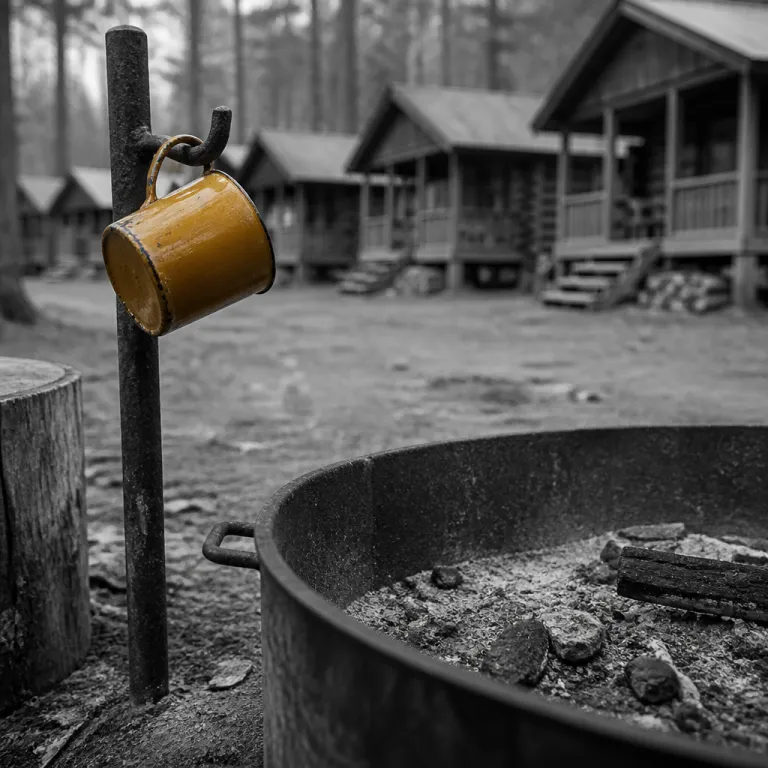
From single cabin to cabin cluster communal lodging
Cabin clusters sit between a solitary cabin in the woods and a full scale resort. Each cabin remains private, yet the shared lodge building, fire pits and outdoor kitchens create a subtle social current that many guests quietly crave. This hybrid format defines cabin cluster communal lodging and is reshaping how couples and small groups think about secluded getaways.
Campground owners and lodge operators design these clusters so that individual cabins accommodate different types of travelers, from a two room hills cabin that sleeps two people to larger group cabins that comfortably sleep six or eight. Instead of one oversized lodge, a micro cluster of cabins spreads across the land, often around a lake or tucked into low hills, which increases revenue per acre while preserving a sense of wilderness. The result is lodging that feels closer to a national park campground in spirit, but with the comfort level of a well run hotel and the privacy of a standalone retreat.
Communal lodging is defined simply as lodging that emphasizes shared spaces and social interactions. In practice, that means guests might walk a short distance from their private cabin to a central lodge where they find a map of local trails, a bar, perhaps a co working hut and a pantry style kitchen. For couples used to traditional hotel rooms, this layout offers a different rhythm ; you sleep in your own cabin, but you drift toward the fire pit or hot springs deck when you want conversation, and you retreat to your private bathrooms and terrace when you want silence.
Shared fire pits, saunas and the new social architecture
The social heart of cabin cluster communal lodging is almost always the fire pit. Operators have learned that shared fire pits foster community and provide a central gathering spot, and they now design entire micro cluster layouts around that glow. A short walking distance from most cabins, you will usually find a ring of Adirondack chairs, a stack of split logs and a sky unpolluted by hotel signage.
Beyond the flames, the most successful lodge cabins now layer in saunas, outdoor kitchens, laundry huts and reading rooms to keep guests lingering. Scandinavian style clusters near a forest lake might pair a wood fired sauna with a plunge pier, while a state park adjacent lodge in the American West might add a sheltered grill terrace for family vacations and corporate retreats. These shared amenities turn what could be a row of anonymous cabins into a village like environment, where guests read on porches by day and trade faithful trail stories by night.
For couples who usually book a hotel, the key difference lies in how you move through the day. You wake in a cabin that sleeps two people, step into your private bathrooms, then wander to the lodge for coffee and a quiet corner to read, perhaps inspired by a dedicated reading retreat in cabin country. Later, you might join a small group at the fire pit, or slip away down a path that the site map marks toward a hidden lake, always able to choose between solitude and sociability.
Economics of privacy: why clusters outperform single cabins
From an owner’s perspective, cabin cluster communal lodging is not just a design choice ; it is a revenue strategy. A single luxury cabin that sleeps four people on a prime hillside may command a high nightly rate, but it occupies a large footprint for only one booking. By contrast, a carefully planned micro cluster of four smaller cabins accommodate the same number of guests, or more, while sharing one lodge, one parking area and one set of utilities.
This shared infrastructure means higher revenue per acre and lower per cabin operating costs, especially when cabins accommodate both couples and small group stays without needing separate hotel style wings. Laundry, storage and staff circulate through the lodge instead of servicing scattered units, which matters in remote hills where every extra kilometre of road is an expense. For premium booking platforms that specialise in cabins and lodge cabins, these efficiencies translate into more consistent availability, better maintenance and a wider range of room types for guests to choose from.
Demand is also polarising between ultra luxury statement cabins and compact off grid cabins under 40 square metres, and clusters can host both on the same site. A ridge top cabin with a hot tub and expansive lake view might sit slightly apart, while a group of minimalist cabins sleeps people who prioritise access to trails and communal fire pits over in room frills, a pattern echoed in guides to solo cabin stays for travelers who want solitude. For couples browsing a booking website, this mix means you can choose a private cabin that feels remote, yet still be within walking distance of the lodge, the sauna and the social life when you want it.
Why couples, families and groups are choosing clusters
Couples in their thirties to fifties are driving much of the demand for cabin cluster communal lodging. Many want the romance of a secluded cabin and the reassurance of a lodge nearby, especially when travelling to a national park or remote state park they do not know well. They value the ability to retreat to a private cabin that sleeps two, then join a group around the fire or in the sauna when the mood shifts.
Families and multigenerational groups are also discovering that clusters solve the classic problem of togetherness without crowding. Instead of squeezing into adjoining hotel rooms, a family can book two or three cabins that share a central lodge, so grandparents, parents and children each have their own space but meet easily for meals and games. For corporate retreats, this layout is even more powerful ; cabins accommodate colleagues in pairs or singles, while the lodge provides meeting rooms, a map wall for planning hikes and a terrace for informal debriefs under the stars.
Travel trend data shows a clear rise of the so called together trip, where guests actively seek communal spaces rather than avoid them. One recent report framed it simply through guest behaviour : "Research communal lodging options, engage with fellow travelers, embrace shared experiences." For couples used to anonymous hotel corridors, the gentle social fabric of a cabin village, with its shared paths and lake access, can feel like a refreshing alternative that still respects privacy and quiet.
From Yellowstone to the Highlands: where the trend is heading
The most vivid examples of cabin cluster communal lodging now stretch from the Scottish Highlands to the American West. Properties such as WildLand Hope pair a historic lodge with a scattering of forest cabins, a wood fired hot tub and shared lounges, proving that a traditional lodge can coexist with modern cabins without losing its soul. In Scandinavia, lakeside clusters lean into minimalist design, where each cabin frames a slice of lake and forest while the sauna and fire pit become the social anchors.
Across the United States, the model is quietly reshaping how travellers stay near major parks. Around Yellowstone National Park, for instance, long established names such as Grant Village, Lake Yellowstone Hotel and the historic Old Faithful Inn have inspired newer lodge cabins and group cabins that echo the same balance of privacy and proximity to the park’s hot springs and trails. While these classic properties remain hotel style at heart, independent operators nearby are experimenting with small cabin villages where each cabin sleeps people in compact comfort, yet guests share a lodge, fire pits and sometimes even guided walks to lesser known hills and viewpoints.
For travellers comparing cabins to hotels, curated lists of standout properties, such as the cabins highlighted in this round up of award winning vacation rentals, offer a useful starting point. The most successful clusters share a few traits ; they keep walking distances short, protect dark skies, and treat the lodge as a true social hub rather than an afterthought. As communal lodging bookings continue to rise, expect more cabin villages near national parks, state parks and quiet hillsides, each refining how much privacy and how much community modern guests really want.
FAQ
What is communal lodging in a cabin cluster context ?
Communal lodging in a cabin cluster means individual cabins with private bathrooms and sleeping areas arranged around shared spaces such as a lodge, fire pits, saunas and outdoor kitchens. Guests book their own cabin, much like a hotel room, but they are encouraged to use communal areas designed for social interaction. This format blends the privacy of a standalone cabin with the community feel of a small village.
Are cabin clusters suitable for families and groups ?
Cabin clusters work particularly well for family vacations and small groups because cabins accommodate different group sizes while keeping everyone close to a central lodge. Parents can book one cabin that sleeps people in a compact layout, while grandparents or friends take another, meeting in shared kitchens or around the fire pit. This arrangement offers more privacy than adjoining hotel rooms but keeps walking distances short for children and older guests.
How do cabin clusters compare to traditional hotels near national parks ?
Near national parks and state parks, traditional hotels such as large park lodges offer interior corridors, standard rooms and central dining halls. Cabin clusters, by contrast, spread smaller units across the landscape, often closer to hills, lakes or forest edges, with a lodge or shared building as the social core. Travellers who prefer direct access to trails, outdoor fire pits and quieter nights usually gravitate toward clusters, while those who want full service hotel amenities may choose a classic park hotel instead.
Do cabin clusters offer enough privacy for couples seeking seclusion ?
Well designed cabin clusters prioritise privacy by orienting each cabin toward a view, using landscaping to screen decks and keeping sound carrying activities near the lodge. Couples can spend most of their time in a private cabin with their own bathrooms and terrace, joining communal spaces only when they wish. For travellers who want even more seclusion, some properties position a few cabins slightly apart from the main micro cluster while still within safe walking distance.
How should I choose between a single cabin rental and a cabin cluster stay ?
If you want absolute solitude and plan to self cater entirely, a single remote cabin may suit you better. If you value a balance of privacy and light social contact, especially for a couple’s escape, family trip or corporate retreat, a cabin cluster with a strong lodge and shared amenities is usually the better choice. Consider how much you will use communal spaces such as fire pits, saunas and co working huts, then book the format that matches your travel style.