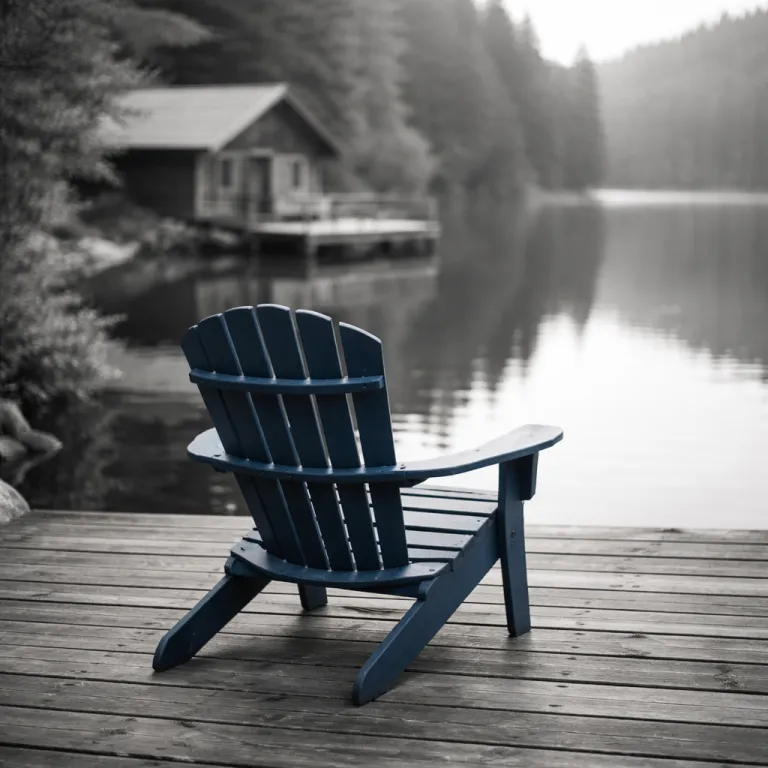
The Instagram cabin paradox: when visibility ruins the view
Choosing a cabin that stays off Instagram is no longer a niche preference. It has become a deliberate strategy for travelers who realise that the most shared cabins often deliver the least serene stays. Highly promoted vacation rentals that chase every algorithmic trend tend to prioritise photo angles over the quiet details that actually matter at night, from insulation and mattress quality to how bathrooms feel after a long hike.
Industry data now shows that properties with viral social media exposure see inflated pricing but often lower guest satisfaction scores than comparable low-profile listings, which is the clearest expression of the Instagram cabin paradox. A 2023 AirDNA review of US short-term rentals in outdoor destinations (AirDNA, “U.S. Mountain Destinations Performance Review 2023,” published March 2023) found that highly promoted “Instagrammable” properties in mountain regions commanded higher average daily rates than similar cabins with modest marketing, while review scores stayed flat. High visibility brings more guests, faster turnover and more pressure on cleaning teams, so bathrooms and shared outdoor spaces age faster than their marketing images. Hosts who rely on constant bookings to service platform fees often cut stay length, which means less time for deep maintenance between arrivals.
Think of a glass-fronted ridge cabin above a blue lake in North Georgia that appears in every third travel reel. The view over the Blue Ridge Mountains is real, but the reality behind the lens is a parking area full of cars, a hot tub that never quite reaches temperature and bathrooms that feel rushed rather than restored. A comparable cabin rental two valleys away, never tagged on Instagram and booked only through a local agency, may have fewer dramatic angles but offers a quieter lake, thicker mattresses and hosts who remember returning guests by name.
The paradox extends to entire regions such as Blue Ridge and the wider North Georgia mountains. Cabins close to downtown Blue Ridge that feature heavily in geotagged posts often sit beside busy roads, while more secluded Georgia cabins on a farm track or beside a creek remain almost invisible online. When you choose a low-visibility cabin in these areas, you are often choosing a location where the lake is still dark at night and the only blue you notice is the pre-dawn sky.
There is also a pricing distortion that affects every vacation rental market from North Atlanta to the Georgia mountains. Once a specific ridge location or lake-blue shoreline becomes Instagram famous, nightly rates climb faster than quality can follow, and guests quietly report that the stay felt more crowded than curated. A 2022 analysis by Transparent Intelligence (Transparent, “Iconic Short-Term Rentals: Pricing and Performance in U.S. Outdoor Destinations,” Q4 2022) noted that highly marketed “iconic” properties in popular US outdoor destinations showed price premiums of 15–25 % over similar cabins with lower online visibility, without a corresponding rise in guest ratings. Meanwhile, unlisted cabins and low-profile rentals on the same mountain or along the same creek maintain fairer pricing and a slower, more attentive style of hospitality, which is often reflected in written reviews even when overall scores look similar.
Hosts feel the strain too when their cabin becomes a backdrop rather than a home. The pressure to keep up with geotagged neighbours can push owners to invest in new photo-friendly decks instead of upgrading bedrooms, bathrooms or insulation that would actually improve sleep. A quieter, under-the-radar cabin, by contrast, can channel that same budget into better linens, quieter heating systems and thoughtful river access paths that never appear in a feed.
Travelers increasingly recognise this trade-off and are voting with their bookings. A 2023 report from Booking.com on sustainable travel trends (Booking.com, “Sustainable Travel Report 2023,” April 2023) highlighted that roughly one in four respondents had booked or planned an off-grid stay, aligning with the rise of digital detox vacations and the so-called “hush-pitality” trend described by several boutique hospitality consultancies. As one expert summary from Skift’s 2022 “Megatrends Defining Travel” series (Skift Research, January 2022) puts it plainly, “Guests are seeking out remote, less publicised accommodations as an antidote to overtourism and social media fatigue.”
That same body of research answers the next logical question for any serious cabin hunter. When asked how they discover these quieter places, travelers in the Booking.com survey most often cited “local tourism websites” and “specialist booking platforms” rather than mainstream social feeds. The implication is clear for anyone planning a stay in North Georgia, along the Toccoa River or near Lake Nottely, where the best cabins are often the ones that never appear under the Instagram location tag yet still show up in owner-direct cabins Blue Ridge Fannin County directory listings and similar local resources.
How to actually find a hidden cabin rental off Instagram
Finding a hidden cabin rental off Instagram requires a different search muscle than scrolling hashtags. You start not with a feed, but with a map, a tourism office and a willingness to call real humans who know their ridge and river systems. This is slower than tapping a heart icon, yet it consistently leads to cabins where the silence feels intentional rather than accidental.
Local tourism boards in regions such as Blue Ridge, North Georgia and the wider Georgia mountains still maintain analogue-style lists of cabins and farm stays that never touch the big platforms. The Fannin County Chamber of Commerce, for instance, keeps directories of owner-managed rentals around Blue Ridge that are promoted primarily through regional channels. When you ask specifically for a cabin rental that is not promoted on Instagram, staff will often point you towards owner-direct rentals along quieter stretches of the Toccoa River or above Lake Nottely. A typical enquiry email might read, “We’re looking for a two-bedroom, pet-friendly cabin near a creek, booked directly with the owner and not listed on major platforms. Do you have any recommendations from your current cabin directory?” These cabins may have simple websites with a single link for enquiries, but behind that link you usually find owners who answer questions about bedrooms, bathrooms and river access with the precision of someone who sleeps there themselves.
Specialised cabin platforms and forestry partners are another underused route. Projects such as the off-grid woodland stays highlighted in this working woodlands cabin initiative show how curated networks can surface cabins that are intentionally absent from social media. These networks often favour small clusters of cabins on a farm, in a national forest or along a remote creek, where the emphasis is on solitude rather than shareability. The result is a style of vacation rental where you might have fewer décor flourishes, but you gain a location that feels genuinely private.
Word of mouth remains the most reliable filter for travelers who care more about sleep quality than social proof. Ask friends who hike the Blue Ridge Mountains, paddle on Lake Blue Ridge or fish the Toccoa River which cabins they return to, and you will hear about places with three solid bedrooms, generous bathrooms and porches that face the Georgia blue dusk. These recommendations often include practical notes about how many guests the cabin can truly handle, which pet-friendly policies are actually pet respectful and whether the lake or creek access is as gentle as it sounds.
Search strategies also matter when you move beyond the big platforms. Instead of typing only “cabin rentals Blue Ridge” into a browser, combine the region with phrases such as “owner direct”, “farm stay near creek” or “North Georgia cabins near national forest trailhead”. This approach surfaces smaller Georgia cabins and ridge cabin properties that sit just outside the algorithmic spotlight, often with clearer descriptions of bedrooms, bathrooms and maximum guests. You can then browse rentals slowly, reading between the lines for signs that the cabin is designed for living rather than staging.
Flexibility with dates is another quiet advantage when you avoid the most visible rentals. Cabins that are not locked into platform calendars can often shift arrival days, extend a stay by one night or accommodate midweek arrivals that suit solo travelers. This is particularly true in areas north of Atlanta, where owner-managed cabin rentals near Lake Blue Ridge or Lake Nottely may prefer longer, slower bookings over rapid weekend turnover.
Finally, treat every email or phone call with an owner as part of your research. Ask how often they stay in the cabin themselves, how they handle maintenance between guests and whether the bathrooms and kitchens have been updated in the last few seasons. Owners of a genuinely low-profile cabin tend to answer with specifics about ridge trails, creek levels and the exact distance to the nearest national forest boundary, rather than rehearsed marketing lines. A short phone script might start, “We love quiet nights and good beds more than hot tubs. Can you tell us when you last updated the mattresses and how close the nearest road is to the porch?”
The owner direct advantage: where the money actually goes
Booking a hidden cabin rental off Instagram directly with the owner changes the economics of your stay. When a cabin is not paying double-digit commissions to a major platform, more of each booking can flow into maintenance, upgrades and the quiet luxuries that never appear in a thumbnail. That difference is often felt most clearly in the quality of the bathrooms, the depth of the mattresses and the way the heating system hums rather than clanks at 02.00.
Travel industry analyses consistently show that direct booking, bypassing platforms, saves 15 to 20 % on average and often provides better host communication. The American Hotel & Lodging Association has reported similar savings for guests who book directly with hotels (AHLA, “The Cost of Online Travel Agencies to U.S. Hotels,” updated 2020), and vacation rental analytics firms such as AirDNA and Transparent note comparable gaps once platform fees and service charges are stripped out (AirDNA, “The Rise of Direct Bookings,” November 2021; Transparent, “Direct vs. OTA: Profitability in Short-Term Rentals,” June 2022). In practice, this means a ridge cabin above Blue Ridge can keep its rates aligned with fair market levels while still investing in new linens, better insulation and more thoughtful river access steps down to the creek or Toccoa River. Guests benefit twice, paying less than they would for an Instagram-famous equivalent while enjoying a more carefully maintained cabin.
Owner-direct models also encourage a different relationship between host and guest. When you book through a small regional site or a personal link on a simple ridge blog, you are usually speaking to someone who knows every tree between the cabin and the national forest boundary. They can tell you which bedrooms catch the morning light, which bathrooms have the deepest tubs and where to relax, play and swim safely along the lake or river. That level of detail is rare in templated platform listings designed to be skimmed in seconds.
There is a broader market effect too, particularly in concentrated regions such as downtown Blue Ridge and the surrounding Georgia mountains. Cabins that rely heavily on platform visibility often chase short-term pricing spikes, which can leave guests feeling that the experience never quite matches the rate. Owner-managed Georgia cabins, especially those positioned as quieter alternatives to social-media-famous stays, tend to favour repeat guests and longer stays, which stabilises pricing and encourages investment in durable comforts rather than quick cosmetic fixes.
For travelers comparing options, it helps to think in terms of where each euro or dollar lands. A cabin rental that spends heavily on professional photography, social media management and platform fees has less margin left for upgrading kitchens, bathrooms or lake access paths. By contrast, a low-profile vacation rental on Lake Nottely or Lake Blue Ridge, booked through a direct enquiry form, can allocate more budget to structural improvements that you feel in every step across the floorboards.
Hikers and backcountry travelers have already internalised this logic, favouring under-publicised lodges that prioritise trail access and drying rooms over lobby theatrics. The same principle applies to cabins, as shown in the surge of interest around hike-in lodges and remote cabin stays across the American backcountry. These properties rarely trend on Instagram, yet they command loyalty because they invest in the things that matter after eight hours on a ridge or along a river.
Owner-direct booking also tends to be kinder to the surrounding communities. When a cabin on a farm outside North Atlanta or in the hills above Blue Ridge is managed locally, more of the rental income circulates through nearby suppliers, guides and maintenance crews. That, in turn, supports the long-term health of the very landscapes that make a hidden cabin rental off Instagram so appealing in the first place.
Beyond the feed: reimagining cabin travel without Instagram
Imagine cabin travel in a world where nobody posted their stay. Hidden cabin rental off Instagram would simply be called travel, and the measure of a good cabin would be how you slept, not how it photographed. The ridge, the lake and the creek would return to being personal reference points rather than public backdrops.
In that world, you might choose a simple cabin above the Toccoa River because the bedrooms face the Georgia blue dusk and the bathrooms are warmed by underfloor heating, not because the deck swing has gone viral. You would weigh a farm cabin in North Georgia against a lakefront cabin on Lake Nottely by asking which location lets you relax, play and read without hearing another group of guests through the wall. The decision would be shaped by river access, proximity to national forest trails and the honesty of the owner, rather than by likes.
Regions such as Blue Ridge and the wider Georgia mountains offer a glimpse of this alternate model when you step away from the feed. Talk to outfitters in downtown Blue Ridge, and they will quietly point you towards cabins and cabin rentals that never appear under the Instagram location tag yet sit on the best ridge lines. These Georgia cabins often have modest façades, but inside you find well-proportioned bedrooms, solid bathrooms and living spaces that feel designed for long evenings rather than quick photo sessions.
For travelers, the mental shift is subtle but powerful. Instead of asking whether a cabin will look good in a square frame, ask whether the lake-blue horizon will still feel special on the third morning, when the weather turns and you are grateful for good insulation. Consider whether the ridge cabin you are eyeing has enough space for all guests to unpack properly, whether the pet-friendly policy is backed by secure fencing and whether the owner has invested in durable finishes that age gracefully. These are the questions that matter in a hidden cabin rental off Instagram reality.
Platforms can still play a role, particularly when they surface lesser-known areas north of Atlanta or along quieter stretches of the Toccoa River. Use them as a starting point, then step sideways into local networks, regional tourism offices and curated resources such as this guide to lakefront cabins at fair market pricing. From there, you can browse rentals with a more critical eye, favouring cabins whose online presence feels understated and whose owners talk more about trailheads than trending hashtags.
The reward for this approach is a style of cabin travel that feels both quieter and richer. Nights on a ridge above Blue Ridge become about the sound of wind in the trees rather than the glow of a screen, and mornings by a creek or lake become private rituals instead of content opportunities. In that sense, choosing a hidden cabin rental off Instagram is less a rejection of technology than a recalibration of attention towards the parts of a stay that endure long after the signal drops.
Key figures shaping the move toward hidden cabins
- Off-the-grid travel bookings have increased by around 25 % according to recent sustainable travel reports from major booking platforms, including Booking.com’s “Sustainable Travel Report 2023,” reflecting a clear shift toward cabins and rentals that prioritise digital detox over digital display.
- Direct booking, bypassing major platforms, typically saves travelers between 15 and 20 % on nightly rates, a range echoed by the American Hotel & Lodging Association and several vacation rental analytics firms such as AirDNA and Transparent, which allows owners of quieter cabins to reinvest more revenue into maintenance of bedrooms, bathrooms and outdoor spaces.
- Regions heavily promoted on Instagram often show higher average nightly prices than neighbouring, less visible areas, while guest satisfaction scores remain similar, indicating that visibility inflates cost more than comfort and that the Instagram cabin paradox is measurable in both pricing and reviews.
- Local tourism boards and niche cabin platforms report growing demand for properties without social media presence, aligning with the hush-pitality trend and the wider appetite for quieter, more secluded vacations in places like Blue Ridge, North Georgia and other mountain regions.
References
- Booking.com, “Sustainable Travel Report 2023,” April 2023, global off-the-grid travel trends and traveler discovery channels.
- AirDNA, “U.S. Mountain Destinations Performance Review 2023,” March 2023, and “The Rise of Direct Bookings,” November 2021, regional vacation rental pricing, review score analyses and direct booking performance.
- Transparent Intelligence, “Iconic Short-Term Rentals: Pricing and Performance in U.S. Outdoor Destinations,” Q4 2022, and “Direct vs. OTA: Profitability in Short-Term Rentals,” June 2022, price premiums and commission impact.
- Regional tourism statistics from Blue Ridge and North Georgia visitor bureaus, including Fannin County Chamber of Commerce cabin directories and owner-direct cabin listings.
- American Hotel & Lodging Association, “The Cost of Online Travel Agencies to U.S. Hotels,” updated 2020, direct booking and commission impact studies.
- Skift, “Megatrends Defining Travel in 2022,” January 2022, analysis of remote stays, hush-pitality and the shift toward less publicised accommodations.