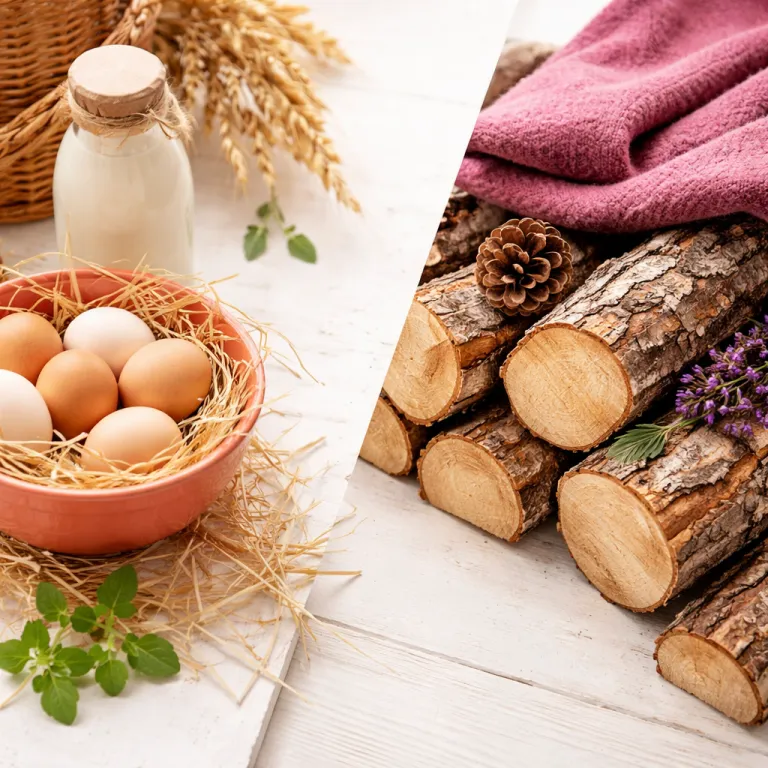
Farm stay vs cabin stay difference for premium rural escapes
Farm stay vs cabin stay difference is not a semantic quibble for travel marketers. It is the line between a family waking to the clatter of a working tractor and a couple easing into silence where the only sound is wind in wooded areas. When platforms blur these types of rural stays into one popular filter, guests pay the price in mismatched expectations.
At its core, a farm stay means lodging on a working farm where daily life revolves around animals, crops, and seasonal activities. Industry definitions are clear: “What is a farm stay? Lodging on a working farm, often with interactive activities. What is a cabin stay? Lodging in a standalone cabin, typically in natural settings. How do farm stays differ from cabin stays? Farm stays involve farm activities; cabin stays focus on solitude. Are farm stays suitable for families? Yes, many offer family-friendly activities. Do cabin stays offer amenities? Yes, amenities vary by location and type.” When booking a farm stay, guests are choosing immersion in farm life rather than the controlled quiet of a secluded cabin.
Cabin stays, by contrast, are built around the cabin itself as the primary experience. The architecture, from minimalist Scandinavian timber to classic log structures, shapes how staying there feels over time. A luxury cabin stay typically privileges privacy, fresh air, and a strong connection to nature rather than the social rhythm of farms and their shared spaces.
Available industry commentary helps explain why this distinction matters for any premium booking website focused on cabins. Major platforms have reported rapid growth in searches for farm experiences and other agritourism stays, while trend reports note that a large majority of surveyed travelers are interested in staying on or near a farm, especially younger guests. Expedia’s “Farm Charm” trend summary, for example, highlights that roughly four in five surveyed travelers are open to farm-based vacations, with Gen Z showing the strongest curiosity about farm life and farm experiences. When that demand collides with the separate surge in cabins, platforms are tempted to merge categories instead of clarifying the farm stay vs cabin stay difference for each family or couple.
For a Premium Family audience, the stakes are high because vacation time is finite and expectations are specific. Parents who picture their children feeding fat sheep on a hill farm will be disappointed by a silent lakeside cabin with no animals and few structured activities. Equally, a couple seeking a quiet anniversary stay in farm cabins far from any inn style bustle will be startled by early morning machinery and visiting day guests on a busy working farm.
Consider two hypothetical listings. One is a restored barn apartment on a dairy farm where guests can watch milking at dawn and help collect eggs before breakfast. The other is a glass-fronted cabin on the edge of a forest, with no livestock and no shared meals, just a firepit and a private dock. Both are rural escapes, but they answer very different briefs. Luxury cabin specialists should resist the urge to chase every agritourism click. The cabin category has its own identity, rooted in solitude, wooded areas, and the kind of outdoor activities that start from the deck rather than the barn. A clear, opinionated stance on the distinction between farm holidays and cabin retreats is not niche semantics; it is the foundation of trust for guests booking high value rural stays.
The social farm stay: working landscapes, shared rhythms, and family energy
A true farm stay is not a themed backdrop; it is a working landscape with its own non negotiable schedule. Guests are stepping into farm life, where milking, feeding, and harvesting dictate time more than any curated spa timetable. For families, that can be the most memorable vacation they ever book, or the most exhausting, depending on how clearly the experience was framed.
On a working farm, the experience is inherently social and structured around activities. Children might bottle feed lambs on a sheep farm at dawn, collect eggs before a hearty bed and breakfast style spread, then join guided outdoor activities like orchard walks or tractor rides. Parents often value this direct farm experience because it builds a tangible connection to nature that city life rarely offers.
Farm stays come in many types, and that variety is where platforms often stumble. A hill farm in the Lake District, a New England liberty hill style property, and a Mediterranean olive farm inn all qualify as farm stays, yet the daily rhythm and guest involvement differ radically. Some farm offers include hands on working farm duties, while others keep guests at a comfortable distance, closer to a rural inn with a bed breakfast format than to a true farm vacation.
For Premium Family travelers, the family test is simple yet unforgiving. If you book a farm vacation, your children expect animals, mud, and stories about farm life that feel real rather than staged. When a listing tagged as one of many farm stays turns out to be a decorative farmhouse with no livestock and no meaningful farm activities, the gap between promise and reality undermines trust in the entire platform.
Hosts and booking sites need to be explicit about the level of participation. Some guests want to join in feeding fat sheep, while others prefer to watch from the comfort of farm cabins set slightly apart from the main yard. Clear language about whether guests are staying in a farm inn, a self contained cabin, or a room above the dairy makes the farm stay vs cabin stay difference legible for families planning their vacation.
There is also a sensory dimension that matters for luxury positioning. Farm experiences bring sounds, smells, and early starts that are integral to farm life but can jar travelers who expected the hush of high end cabins. When platforms lump these stays together under generic “rural escapes,” they ignore how a family’s idea of relaxation can hinge on whether the morning alarm is a rooster or the soft creak of a log cabin floor.
Hybrid properties complicate the picture further. A cabin on a farm can be a triumph when the host is honest that guests are staying in a private cabin yet remain within a working farm environment. It becomes a branding trap when the listing leans on cabin language to attract those seeking quiet, then delivers a schedule and soundscape that belong firmly to agritourism rather than to secluded romantic escapes in Georgia cabins with hot tubs for couples seeking luxury and intimacy.
The quiet cabin stay: isolation, design, and the luxury of doing less
Cabin stays answer a different emotional brief from farm stays, even when both sit under the same rural sky. Where farms promise participation, cabins promise permission to do less, to let time stretch without chores or communal breakfast tables. For many Premium Family travelers, that is the real luxury; not more activities, but fewer demands.
A cabin stay typically centers on the cabin as a self contained world. High end cabins might be glass fronted pavilions above a lake, or traditional log structures tucked into wooded areas with only a narrow trail connecting them to the main road. The experience is about staying in a space where design, materials, and silence work together to create a deep connection to nature without the busyness of farm life.
In this context, the farm stay vs cabin stay difference is about agency. Guests choose when to step into outdoor activities such as hiking, paddling, or snowshoeing, rather than aligning with a working farm timetable. Even family focused cabins often build in slow time with board games by the fire, long breakfasts on the deck, and evenings where the main event is watching mist lift from the trees in the fresh air.
Luxury cabin platforms should lean into this identity instead of diluting it with vague “country” language. A Premium Family booking a secluded reading retreat in cabin country expects the quiet revolution of stillness described in guides to reading retreats in cabin country, not the bustle of a farm inn dining room. When cabins are misclassified as farm stays to ride the agritourism wave, guests who came for silence find themselves sharing space with day visitors and school groups.
Design details matter because they signal what kind of stay guests can expect. A cluster of farm cabins near the main barn, for example, suggests a semi social experience, while a single off grid cabin accessed by a forest track signals solitude. Luxury booking sites should train their teams to read these cues and tag stays accurately, rather than relying on hosts to self classify without guidance.
For families, the cabin question is often about how much togetherness they want. Some parents crave a place where the family can retreat, play board games, and reset without scheduled experiences, while others want the structure of farm activities to keep children engaged. When the farm stay vs cabin stay difference is clearly articulated, parents can choose the right balance between shared adventure and restorative quiet.
Platforms that specialise in cabins, such as those curating serene Squam Lake rentals for refined cabin stays in New Hampshire, show how powerful precise positioning can be. They frame cabins as destinations in their own right, not as generic rural stays, and that clarity attracts travelers who value the specific texture of cabin life. The lesson for the wider market is straightforward: defend the cabin category’s identity instead of chasing every rural trend.
How platforms should classify rural stays for honest, high value bookings
The current tagging systems on many booking platforms were not built for nuance. They treat farm stays, cabins, and other rural stays as interchangeable labels, leaving hosts to tick boxes that may not reflect the real experience. For a sector where rural and small city listings are growing quickly, that lack of precision is no longer sustainable.
To respect the farm stay vs cabin stay difference, platforms need a more granular taxonomy. At minimum, listings should indicate whether guests are staying on a working farm, near but not within farm operations, or in standalone cabins with no agricultural activity nearby. Clear subcategories such as hill farm stays, sheep farm experiences, and independent log cabins in wooded areas would help families filter for the right kind of vacation.
Search filters should then align with how guests actually think about their time away. Families looking for a farm vacation want filters for farm activities, animal interactions, and hosted experiences, while cabin seekers care more about privacy, trail access, and the quality of the cabin itself. When a guest selects “connection to nature,” the platform should ask whether that means hands on farm life or contemplative solitude in the forest, not assume both are interchangeable.
Luxury and premium cabin booking sites are well placed to lead this shift. They already curate stays where the cabin is the hero, whether that is a single log cabin above a river or a small cluster of farm cabins set apart from any inn style complex. By articulating why a particular cabin stay excels at seclusion, design, or family friendliness, they model the kind of honest, experience led classification that larger platforms often lack.
Hosts also need guidance on language. A farm inn with a few detached rooms should not market itself as a cabin retreat, just as a remote cabin with no animals should not lean on farm vacations language to capture agritourism traffic. When hosts describe their stays accurately, from the rhythm of farm life to the quiet of cabin evenings with board games, they attract guests whose expectations align with reality.
For Premium Family travelers, this clarity translates directly into better vacations. Parents can choose between mornings spent helping on a working farm and afternoons hiking from a cabin door, or they can seek hybrid stays that balance both without pretending to be something they are not. The role of any serious booking platform is to make those trade offs visible, not to hide them behind a single “rural” tag.
Ultimately, defending the distinct identities of farm stays and cabin stays is an investment in long term trust. Guests who feel that their stay matched the promise will return, whether to the same farm, the same cabin, or another property within the same carefully defined category. That loyalty is worth far more than a short term spike in clicks driven by vague, catch all labels.
Key figures shaping the future of farm and cabin stays
- Industry reports from major booking platforms describe a sharp rise in searches for farm stays and other agritourism experiences over recent multi year periods, underscoring how quickly farm based travel has moved from niche to mainstream demand.
- Trend summaries such as Expedia’s “Farm Charm” highlight that a large majority of surveyed travelers are interested in staying on or near a farm, with Gen Z showing the strongest curiosity about farm life and farm experiences.
- Rural and small city listings across major platforms have grown year on year, but this growth is unevenly distributed between farm stays and cabin stays, creating pressure on platforms to classify stays more accurately.
- Industry Q&A guidance now defines a farm stay as lodging on a working farm with interactive activities, while a cabin stay is defined as lodging in a standalone cabin in natural settings, reinforcing the need to communicate this farm stay vs cabin stay difference clearly to guests.