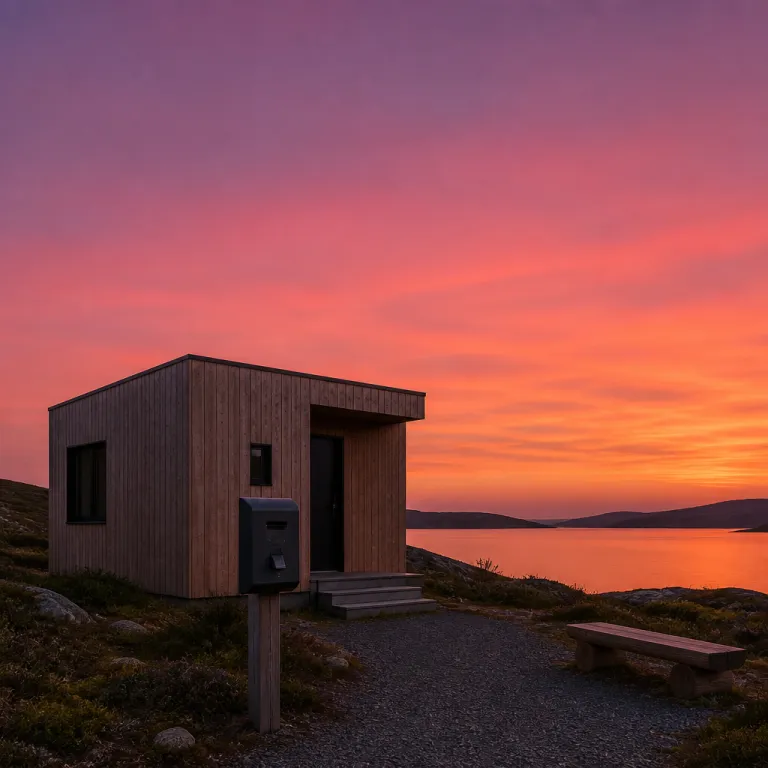
From cheap cabin to premium quiet: why silence now commands a rate
Cabin hosts across the United States are quietly reframing the classic retreat as a premium product. Where a simple off grid cabin once undercut hotel prices, a focused cabin silence retreat now often matches or exceeds upscale resort rates because guests are paying for curated quiet and not square metres. For couples planning a romantic escape, the willingness to invest more in a silent retreat reflects a shift in how people value time, mental health, and the rare experience of true stillness.
Average nightly prices for digital detox cabins on platforms like Airbnb and Hipcamp commonly start around 150 USD, yet cabins that specialise in structured silent retreats or meditation retreats can climb into the 250–400 USD range when they guarantee no road noise, no neighbours, and no Wi Fi. A 2023 analysis by the booking platform Getaway, for example, reported that its most remote, low density cabins command a 30–40 percent premium over comparable stays with standard amenities. Hosts are transparent that the higher rate covers low density layouts, extra land buffers, and the operational discipline required to maintain a genuinely quiet retreat rather than a casual weekend rental. Guests understand that they are not just booking shelter for a few days, but buying a temporary way of life where silence, mindfulness, and emotional regulation are the main amenities.
In this hush focused corner of hospitality, the idea that a cabin silence retreat can monetize quiet becomes a very literal business model. Owners design retreats where every element, from walking meditation paths to yoga meditation decks, is built to protect the mind from constant alerts and noise. At properties like Spirit Rock Meditation Center in California or the Insight Meditation Society in Massachusetts, multi day silent meditation retreats routinely sell out months in advance, illustrating how tangible the benefits feel for many participants. For a growing number of guests, the experience is compelling enough that they return annually, treating the silent meditation or yoga practice as a recurring investment in their daily life rather than a one off indulgence.
The economics of hush: pricing structured silence against standard stays
When you compare a standard cabin rental with a purpose built silence retreat, the price gap tells a story about what travellers now prioritise. A regular cabin might offer a hot tub and streaming services, while a quiet retreat charges more for phone lockboxes, no electricity, and a guarantee that your nearest neighbour is several hundred metres away. Couples who once searched only for views now ask detailed questions about soundscapes, retreat centers, and how strictly a host enforces silent retreat rules during their days away.
Hosts who specialise in silent retreats or meditation retreats often structure pricing around the depth of the programme rather than just the cabin itself. A self guided quiet retreat might cost only slightly more than a typical stay, while a fully facilitated meditation retreat with daily yoga, walking meditation sessions, and group mindfulness practice can command a significant premium per day. The more support and structure offered to participants, the more the retreat center can justify higher nightly rates, especially when guest satisfaction consistently approaches the upper nineties. At some long running programmes, internal surveys show that more than 90 percent of guests would recommend the experience to a friend, reinforcing the perceived value of structured silence.
For couples weighing value, the question becomes whether the benefits of a dedicated quiet cabin experience deliver more lasting change than a conventional getaway. Many report that a few days of silent meditation, yoga meditation, and intentional time in nature recalibrate their relationship and daily life more than a busier trip ever could. One guest at a Colorado mountain retreat described it this way: “We came for a break from our phones and left with a completely different pace of conversation.” If you are planning a future escape, it is worth comparing these quiet retreats with other high end cabin experiences that still feel indulgent yet family friendly, such as the options highlighted in this guide to family cabin trips that do not feel like compromises.
How hosts enforce quiet: operational playbooks for a silent retreat
Running a silence retreat is less about scented candles and more about rigorous operations. Hosts who successfully turn a cabin silence retreat into a viable business do so through clear rules, from pre arrival communication about phone free policies to on site signage that gently reminds people to respect shared silence. Many retreat centers now provide phone lockboxes at check in, physical maps instead of apps, and a printed daily schedule that outlines meditation practice, yoga sessions, and walking meditation times.
Some retreat center operators design their cabins with sound in mind, using extra insulation, soft furnishings, and generous spacing between units to maintain a quiet retreat atmosphere. They limit group sizes so that participants can move through their days without crowding, and they often schedule silent meditation blocks where even communal areas remain wordless. Staff are trained to offer support through gestures, written notes, or brief whispers, preserving the benefits of silent time while still ensuring safety and comfort for every mind and body on site.
For couples used to constant connectivity, the first day of a silent retreat can feel confronting, yet hosts mitigate this by framing silence as an art of living rather than a punishment. Many programmes include an opening talk on mindfulness, emotional regulation, and how to integrate the wisdom of the retreat into daily life once you leave. Research published in journals such as JAMA Internal Medicine has found that mindfulness based programmes can reduce anxiety and improve sleep quality, giving retreat leaders credible language to explain why the structure matters. By the second or third day, most participants report that the structured quiet has shifted from challenge to cherished experience, which is why operators frequently report repeat booking rates above 60 percent for their most established programmes.
Soundscape as amenity: selling the luxury of almost nothing
In this new hush pitality era, the most coveted amenity is often what you do not hear. Cabin owners now list decibel readings alongside bed sizes, promising that your silent retreat will be free from highway rumble, flight paths, and late night parties. Some quiet retreats even map prevailing winds and wildlife corridors so that guests can choose cabins where the loudest sound is a distant owl or the crackle of their own fire.
Marketing language has shifted from generic nature clichés to precise sound descriptions that help people imagine the experience before they arrive. Listings might highlight that the only daily noise is a morning bell for meditation practice, or that yoga meditation takes place on a deck where the nearest human made sound is several kilometres away. For couples, this level of detail builds trust that the promise of a truly quiet cabin stay is more than a slogan, especially when they are paying a premium for a few precious days of uninterrupted rest.
Some retreat centers go further by programming the soundscape as part of the curriculum, weaving walking meditation routes past streams, or timing silent meditation sessions with sunrise and dusk bird calls. Guests can often view upcoming programmes on booking platforms, scanning upcoming retreats that focus on themes like mental health, art of living, or relationship renewal. When a property can reliably orchestrate such a subtle yet powerful environment, silence itself becomes the most persuasive line item in the rate breakdown.
Guest expectations and the rise of hush pitality
Travellers booking a silence retreat today arrive with far sharper expectations than early adopters of digital detox cabins. They are not just hoping for fewer notifications, but for a full retreat from urban noise, neighbour chatter, and the low hum of constant obligation that defines modern life. Many couples now treat a quiet cabin stay focused on silence as essential maintenance for their relationship, on par with therapy or wellness coaching.
Hosts respond by clarifying what silence really means at their retreat center, from whether soft conversation is allowed at dinner to how strictly phones are banned outside cabins. Clear pre stay communication helps participants choose between fully silent retreats, where even eye contact is minimised, and quieter retreats that blend meditation practice with gentle social time. FAQ sections on booking sites often address practical concerns such as “What is a digital detox cabin ?”, “Are digital detox cabins expensive ?”, and “What amenities are provided ?”, giving people confidence before they commit.
As hush pitality matures, guests also look for evidence that these retreats genuinely support mental health rather than simply capitalising on a trend. Properties that share data on improved sleep, reduced stress, and high guest satisfaction rates tend to earn repeat bookings and word of mouth referrals. A 2017 study in Frontiers in Human Neuroscience, for instance, found that a week long meditation retreat was associated with reduced stress markers and better mood, echoing what many retreat hosts hear anecdotally from their own guests. This kind of evidence reinforces the sense that silence can be both a luxury and a practical wellness tool.
Designing a life reset: what couples actually do in the quiet
Once the phones are locked away and the last car has left the gravel road, the real work of a silent retreat begins. For many couples, the first hours feel spacious yet unfamiliar, as daily life habits fall away and the mind searches for its usual distractions. Retreat leaders often suggest simple practices for the opening day, such as shared walking meditation, gentle yoga, or journaling about what each person hopes to receive from the days ahead.
Over the course of a few days, a rhythm emerges that blends structure with freedom, allowing participants to explore silence as both a practice and a pleasure. Mornings might start with guided meditation practice in a small hall, followed by quiet breakfasts where people eat slowly enough to notice flavours and textures. Afternoons can be left open for naps, reading, or private yoga meditation on the cabin porch, while evenings often feature group silent meditation or talks on mindfulness, emotional regulation, and the art of living with more wisdom back home.
By the final day, many guests describe a subtle yet profound shift in how they relate to time, noise, and each other, which is why upcoming retreats often fill quickly with returning couples. They leave with practical tools to protect small pockets of quiet in their daily life, from mini walking meditation breaks to phone free dinners. In this sense, a well run cabin silence retreat allows hosts to earn a premium while guests convert a few carefully curated days into long term benefits that ripple through the rest of their lives.
FAQ
What is the difference between a digital detox cabin and a silence retreat ?
A digital detox cabin simply removes connectivity, while a silence retreat layers structured quiet, meditation practice, and often yoga or walking meditation on top of that. In a digital detox stay you might still chat freely, whereas a silent retreat usually sets clear guidelines about when and how people speak. Both can support mental health, but the retreat format offers deeper support for the mind through daily schedules and shared practice.
How much more do quiet retreats usually cost than standard cabins ?
Standard off grid cabins in the United States often start around 150 USD per night, while specialised quiet retreats or meditation retreats can cost significantly more depending on programming. The premium reflects lower guest density, more land per cabin, and the staffing required to run daily meditation, yoga, and mindfulness sessions. When you compare prices, consider that you are paying not only for accommodation but for a curated experience that can reshape your daily life.
What do participants actually do all day during a silent retreat ?
Most silent retreats follow a gentle but structured schedule that balances activity and rest. Participants typically rotate between seated meditation, yoga, walking meditation, mindful meals, and unstructured quiet time in or around their cabins. The goal is to give the mind enough variety to stay engaged while still protecting the benefits of silent practice and emotional regulation.
Are these retreats suitable for first time meditators or only experienced practitioners ?
Many retreat centers design programmes specifically for beginners, with clear instruction and plenty of support. First time guests are guided through basic meditation practice, simple yoga, and practical mindfulness tools they can use in daily life after the retreat. If you are new, look for upcoming retreats that explicitly welcome beginners and limit group size so you can ask questions without feeling overwhelmed.
How can I tell if a cabin listing truly offers a quiet environment ?
Serious hush focused hosts describe their soundscape in detail, mentioning distance to roads, neighbour proximity, and any potential noise sources. Look for listings that explain their silence policies, outline daily schedules for meditation or yoga, and share honest guest reviews about how quiet the experience felt. When in doubt, message the host directly with specific questions about noise expectations during your planned dates.