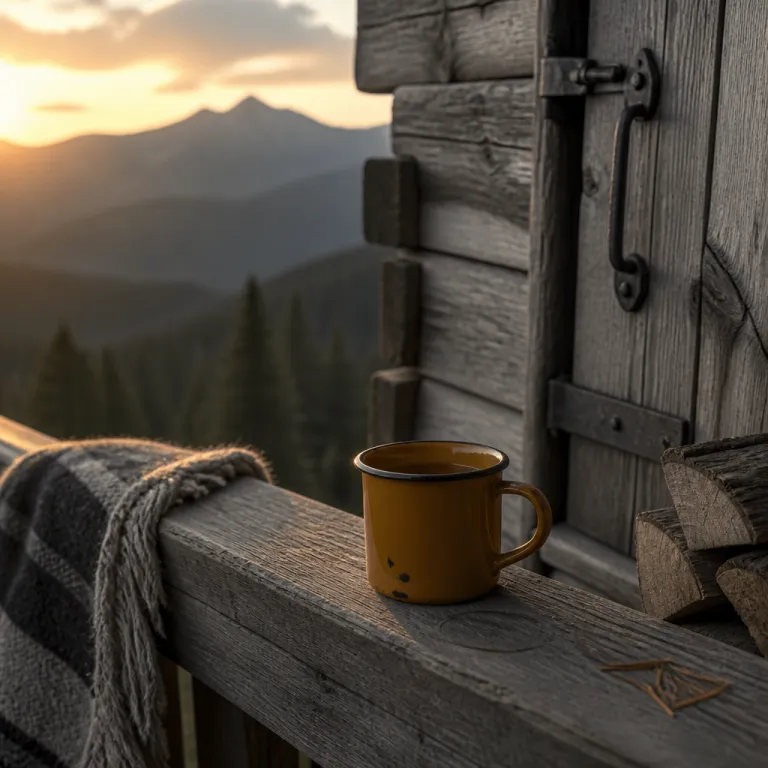
Front Range gateways to off-grid cabins in the Colorado Rockies
Off-grid cabins in Colorado along the Front Range suit travelers who want wilderness without a punishing drive. Within roughly two to three hours of Denver or Colorado Springs, you can reach mountain retreats that feel remote yet remain logistically manageable. For solo explorers arriving late after work, that short approach keeps stress low while the sense of off-grid living stays high.
Several established cabin providers along the Front Range have built a reputation for small off-grid cabin stays that balance comfort with restraint. Near Nederland, for example, properties such as A-Lodge cabins and scattered solar-powered tiny homes in Gilpin County offer simple interiors with efficient heating. Around Fairplay and Alma, hosts list compact cabins just off County Road 18 or Highway 9, where winter access is realistic even when the snowpack climbs above 1 m, though conditions always depend on recent storms and Colorado Department of Transportation (CDOT) updates.
Many Front Range hosts on Airbnb and similar platforms list each cabin with precise details about water storage, solar panel capacity, and whether a recreational vehicle can reach the site. You should always start by checking if the track requires high clearance or full 4WD, especially in late spring when meltwater cuts ruts into low sections. Booking platforms commonly show nightly rates for simple off-grid cabin stays in the Colorado Rockies in the mid-range for mountain rentals, often around USD 140–260 per night according to recent listings, though prices vary widely by season, location, and amenities.
Grid living comforts fade quickly once you leave the highway, so pack as if you were camping, not checking into a city hotel. Bring extra drinking water, a headlamp in case the solar powered lights run low, and layers for the sharp temperature drop after sunset. Providers consistently advise guests to inform a friend of their route and expected return, because cell coverage can vanish just a few bends beyond the last town.
High altitude off-grid cabins above 2 700 m: summer realities
Once you push above roughly 2 700 m in the Colorado Rockies, an off-grid cabin becomes a different proposition. Days feel warm and bright, yet the air stays thin and the cold returns fast once the sun slips behind a ridge. People who usually live at low elevation will notice the change in breathing, sleep, and even appetite during the first night.
Some long-running cabin clusters near the Continental Divide illustrate these realities clearly, where summer nights can still flirt with winter temperatures. Around Guanella Pass and near the historic town of Montezuma, for instance, small cabins and hut-style retreats rely on a mix of propane heaters, wood stoves, and carefully oriented solar panels to keep interior temperatures stable without drawing from any public power grid. Water often comes from nearby creeks or gravity fed cisterns, so guests must treat or boil it before drinking, which reinforces the rhythm of intentional living.
At these heights, you will find that even a small task like hauling water or splitting wood demands more effort. Luxury in this context is not a marble bathroom but a well insulated cabin with tight windows, a reliable gas cooktop, and enough solar power to charge a headlamp and an e reader. For travelers used to hot tub decks and resort style amenities, the reward here is the silence outside the door and the Milky Way overhead.
Hosts often specify that guests should arrive by mid afternoon, because mountain storms can roll in quickly and make dirt roads treacherous. Pack layers that work in low humidity, including a light down jacket even in high summer, and plan short walks on your first day while your body adjusts. When the wind rises and the temperature drops, you will be grateful for a cabin that holds heat and a stove that lights easily with either propane or dry kindling.
San Juan Mountains and western slope: remote luxury off the grid
Head southwest toward the San Juan Mountains and the western slope, and the character of an off-grid cabin Colorado Rockies stay shifts again. Here, the terrain feels wilder, the distances longer, and the sense of separation from grid living more pronounced. People who choose this region usually want a deeper break from routine, even if that means planning more carefully for fuel, food, and water.
Many San Juan cabins sit at the end of narrow tracks where a recreational vehicle would struggle, so a compact 4WD is often the smarter choice. Around Ouray, Silverton, and Lake City, cabins on roads such as County Road 14 or Engineer Pass Road lean into solar powered systems with generous battery banks, backed up by propane for cooking and low emission gas heaters for the coldest nights. When clouds settle over the peaks for several days, that hybrid power design keeps lights on and fridges running without compromising the off-grid ethos.
On the western slope near Paonia or Hotchkiss, you will find small architect designed cabins that treat sustainability as a form of quiet luxury. Thick insulation, high performance windows, and carefully angled solar panels reduce energy demand so dramatically that even modest arrays can support year round living. Instead of flashy features, these Colorado properties offer a different indulgence: a perfectly still porch, a view of red rock cliffs, and no visible neighbors.
Booking in this region usually happens through individual Airbnb hosts or directly via cabin provider websites, and calendars fill quickly for late summer and early autumn. Because stores can be an hour or more away, you should start your packing list early and include extra drinking water, a backup power bank, and a printed map. Once you arrive, the absence of traffic noise and the clarity of the night sky will confirm that the extra planning was worth every minute.
Sangre de Cristo range and minimalist off-grid living
The Sangre de Cristo range, stretching along southern Colorado, attracts travelers who want an almost monastic version of off-grid cabin living. Cabins here are often small, sometimes under 40 m², and set on open high desert benches that frame the jagged peaks like a private cinema screen. People who choose this area usually care less about amenities and more about space, silence, and the discipline of carrying their own water.
Many Sangre de Cristo cabins operate with no conventional power at all, relying instead on lanterns, wood stoves, and the sun itself for warmth. Around Crestone and Westcliffe, for example, simple cabins and tiny houses use modest solar systems with just enough solar panels to run a few LED lights and perhaps a tiny fridge, which keeps energy demand low and maintenance simple. Propane often fuels a compact cookstove, while composting toilets and grey water systems reduce the environmental footprint to a minimum.
This is where you will find some of Colorado’s most authentic grid living experiments, with hosts who have spent years refining their systems. They will explain how to manage water carefully, how to vent a gas heater safely, and how to keep a cabin warm through a surprise cold snap in late spring. For solo travelers, that level of guidance turns what could feel intimidating into a structured, almost meditative routine.
Because services are sparse, you should arrive with all essentials, including at least 5 litres of drinking water per person per day and a clear plan for waste. Road access can shift quickly after storms, so always check with your host about current conditions and whether a recreational vehicle or low clearance car can safely reach the property. If you are drawn to other quiet mountain or waterfront retreats, this high desert setting offers a complementary kind of stillness.
Seasonal strategy: winter, wildfire, and water in off-grid Colorado cabins
Season shapes every off-grid cabin Colorado Rockies stay, and ignoring it is the fastest way to ruin a trip. Winter brings deep cold, short days, and a beauty that rewards those who respect the limits of power, water, and access. Summer and early autumn offer easier logistics but introduce wildfire risk and occasional smoke filled valleys.
In winter, even a well insulated cabin can lose heat quickly if you underestimate the cold or the wind. Solar powered systems produce less energy on short, low angle days, so many hosts lean more heavily on propane heaters and gas cooktops during this season. You will need to manage battery use carefully, charging devices during peak sun and keeping non essential lights off to preserve stored power.
Water is another critical variable, because many cabins rely on surface sources that freeze or shrink seasonally. Some properties maintain insulated tanks or indoor storage, while others ask guests to bring their own water for drinking and cooking, especially during low snow years. Before you start your journey, confirm whether the cabin has running water, a hand pump, or only stored supplies, and plan your packing accordingly.
Wildfire season, typically late summer into early autumn, demands a different kind of vigilance. Hosts will often share local fire restrictions, evacuation routes, and guidelines for using wood stoves or outdoor grills safely, and you should read these carefully. For current conditions, travelers commonly consult Colorado state wildfire dashboards and county emergency management pages, along with CDOT road status reports, before committing to remote routes.
How to choose and book the right off-grid cabin in Colorado
Selecting the right off-grid cabin in Colorado starts with an honest assessment of your comfort level and skills. Ask yourself how you handle cold, how familiar you are with wood stoves or propane systems, and whether you are ready to manage your own water. People who answer those questions clearly will find it easier to match a cabin’s reality with their expectations.
When reading listings from dedicated cabin providers or individual Airbnb hosts, focus on three pillars: power, water, and access. Look for explicit descriptions of solar panel capacity, backup propane or gas options, and whether any systems are fully powered or only partially supported by renewable energy. For water, note whether the source is a well, a spring, delivered tanks, or strictly bring your own, because each scenario changes how you pack and how you live once you arrive.
Safety and preparation matter more off the grid than in any city stay, and the most reliable hosts are transparent about risks. One widely shared guideline captures the essentials succinctly: “Check accessibility; some cabins require 4WD vehicles. Prepare for limited or no cell service. Bring necessary supplies; nearest stores may be distant.” Those three sentences, repeated across responsible listings, reflect a culture that values informed guests over casual bookings.
Booking itself is straightforward, whether through provider websites or major platforms, but timing is crucial. Availability for peak weekends and prime seasons can vanish months ahead, especially for small cabins that cater to solo travelers or couples. Treat the reservation as the start of your off-grid living experience and build a simple checklist: confirm vehicle requirements, clarify water and heating systems, save emergency contacts and offline maps, and share your itinerary with someone you trust.
Key figures for off-grid cabins in the Colorado Rockies
- Nightly rates for simple off-grid cabins in Colorado often fall in the mid-range for mountain rentals, based on informal scans of Airbnb and similar listings across multiple regions; recent samples commonly show prices between about USD 120 and 280 per night, but always check current prices for your specific dates.
- Travel industry surveys over the past few years indicate that a substantial share of travelers now actively seek unplugged or off-grid style experiences, reflecting growing interest in digital detox and nature focused stays.
- Analyses from green building organizations consistently show that well designed energy efficient structures, including off-grid cabins, can achieve notable energy savings compared with conventional buildings while often commanding higher long term value.
- Demand for compact, tech light micro cabins under roughly 37 m² has grown steadily, mirroring a broader shift toward minimalist living and lower impact recreational travel in mountain environments.
- Front Range locations within about three hours of Denver or Colorado Springs capture a large share of weekend off-grid bookings, thanks to their balance of accessibility and perceived remoteness.
Frequently asked questions about off-grid cabins in Colorado
What amenities are typically available in off-grid cabins?
Basic amenities usually include beds, cooking facilities, and some form of heat, with many cabins powered by small solar systems or propane. Electricity and running water are not guaranteed, and luxury in this context often means good insulation, reliable heating, and a thoughtful layout rather than high tech entertainment systems.
Are off-grid cabins suitable for solo travelers and families?
Yes, off-grid cabins can work well for both solo travelers and families, provided you match the property to your needs. Check capacity, sleeping arrangements, and safety features, and make sure everyone is comfortable with limited services, darker nights, and simple routines.
How do I book an off-grid cabin in Colorado?
You can book through dedicated cabin providers, local property managers, or platforms like Airbnb and Vrbo, and early booking is strongly advised for peak seasons. For more remote mountain areas, contacting hosts directly can help clarify access, power systems, and seasonal conditions before you commit.
What should I pack for an off-grid cabin stay in the Rockies?
Plan to bring food, drinking water if required, warm clothing, and basic emergency supplies, then add items based on the listing details. In Colorado, always include layers for sudden cold, a headlamp, a backup power bank, and printed directions in case solar systems run low or navigation apps fail after several cloudy days.
Is it safe to stay in an off-grid cabin in Colorado?
Staying in an off-grid cabin is generally safe when you choose reputable hosts, follow their instructions, and respect mountain weather. Inform someone of your plans, carry a small first aid kit, and be prepared for limited cell service so you can respond calmly if conditions change.