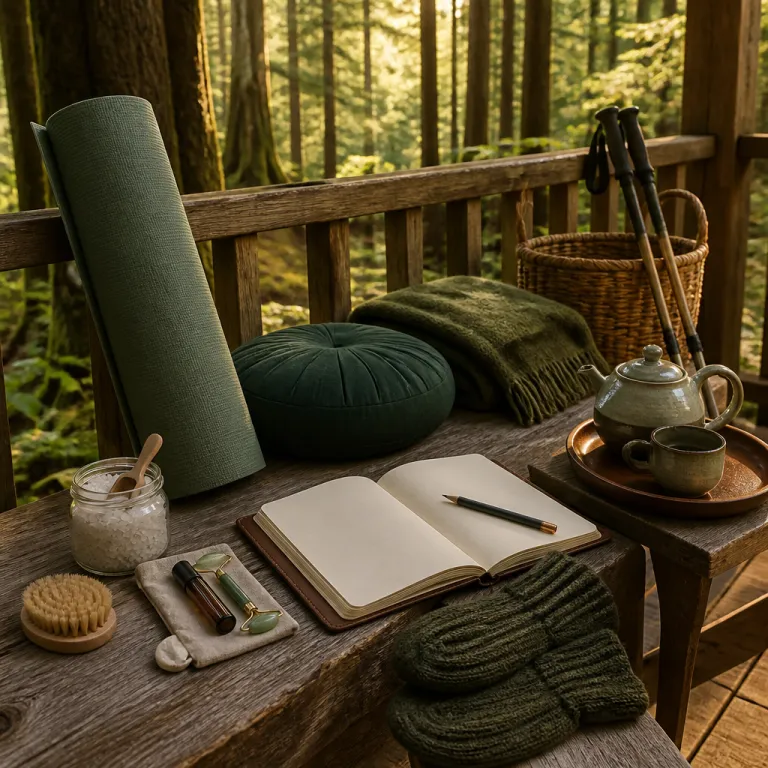
Why luxury cabins are becoming the new burnout retreat sanctuaries
High performing people are quietly trading city suites for forest cabins. In the context of burnout retreat travel, a private retreat in the woods offers rare silence and space for mental health to stabilise, while still delivering the refined comforts you expect from a premium resort. For travellers balancing demanding work and fragile emotional reserves, this shift towards intimate wellness retreats in nature is reshaping how stress burnout recovery is planned and experienced.
Luxury and premium booking websites for cabins now curate entire burnout retreats rather than just overnight stays. A well designed recovery retreat in a cabin can integrate a structured retreat program with yoga, guided mind body practices, and stress management coaching, all while you sleep under timber beams instead of fluorescent lights. This combination of tailored wellness programmes and high end design is especially attractive to guests from the United States and Europe who want clinical level support without the formality of a traditional wellness clinic or urban wellness resort.
Organisers such as Burnout Recovery Accelerator specialise in burnout recovery retreats that use cabins as their core setting. Their programmes focus on emotional support, mental health counselling, and long term lifestyle coaching, and they often collaborate with mental health professionals and local wellness centers to deliver a complete wellness retreat experience. Shepherd's Canyon Retreat, which serves ministry workers, shows how faith based recovery retreats can also use cabin style accommodation to create safe, restorative spaces for people facing chronic stress and deep fatigue.
Designing a cabin based burnout retreat programme that actually works
When you book a burnout retreat in a luxury cabin, the structure of each day matters as much as the décor. A thoughtful retreat program usually starts with arrival and orientation, then moves into a rhythm of morning yoga or gentle movement, midday rest, and afternoon sessions focused on stress management and emotional processing. This predictable flow helps people with high stress burnout calm their nervous systems while still feeling held by a clear programme and a supportive clinical framework.
Evidence from recent surveys and small scale studies on wellness retreats suggests that well planned programmes can significantly reduce perceived stress levels for many participants, although exact outcomes vary by individual and methodology. For example, a 2017 study in the Journal of Alternative and Complementary Medicine on a one week residential wellness retreat reported significant improvements in stress, mood, and overall quality of life at six week follow up, while a 2019 paper in BMJ Open on a mindfulness based retreat found notable reductions in burnout scores among healthcare workers. Organisers commonly report that a majority of guests leave feeling better equipped to handle work and life, especially when the recovery retreat includes both therapy sessions and mind body practices such as breathwork or mindful walking.
Digital detox is now a defining feature of many wellness retreats in cabins. Early data on cabin detox experiences, along with broader research on screen time and sleep, indicates that stepping away from devices can accelerate burnout recovery and improve sleep quality for a substantial share of guests. A 2021 survey by the American Psychological Association on work related stress, for instance, highlighted how constant connectivity and after hours email use correlate with higher burnout risk. When a wellness resort or cabin host offers lockable phone boxes, offline reading corners, and nature based activities, participants often report deeper emotional release and more sustainable long term changes to their relationship with work and technology.
From wellness resort to woodland cabin: choosing the right setting for burnout recovery
Travellers weighing a large wellness resort against a secluded cabin for a burnout retreat should start with their own stress profile. People who feel safer with visible staff, a busy schedule, and many fellow guests may prefer a classic wellness resort or a destination such as Sha Wellness, which operates as a comprehensive wellness clinic with medical teams and advanced diagnostics. Those who crave silence, privacy, and minimal social contact often find that a private retreat cabin offers a more effective environment for mental and emotional recovery.
Cabin based wellness retreats usually sit in forests, lakesides, or mountain valleys, where nature itself becomes part of the treatment. A silent retreat in such a setting can be powerful for chronic stress, because the absence of constant conversation allows the mind body system to reset, while short guided check ins provide enough support to keep the process safe. Articles on the value of quiet highlight how intentional hush can be more therapeutic than another packed wellness programme, especially for people who spend most of their lives in noisy, overstimulating environments.
In the United States, many burnout retreats now blend elements of both models, using cabin clusters on the grounds of a larger resort. Guests can access spa facilities, yoga studios, and nutrition workshops during the day, then retreat to their own cabin for private reflection and journaling at night. This hybrid approach suits couples or friends travelling together for recovery retreats, because it balances shared experiences with the personal space needed for deep mental health work.
Inside a typical cabin based burnout retreat: what your days really look like
Understanding the daily flow of a cabin based burnout retreat helps you choose a stay that matches your needs. Most programmes run for three to seven days, with the first day dedicated to arrival, orientation, and a gentle settling in process that respects your existing stress levels. Organisers often encourage people to pack comfortable clothing, bring personal wellness items, and prepare for at least a partial digital detox before the retreat begins.
Mornings in many burnout retreats start quietly, sometimes with a short silent retreat period before breakfast. After that, guests might join a small group yoga class, a guided meditation, or a nature walk designed to reconnect the mind body system and ease chronic stress symptoms such as muscle tension or racing thoughts. Late morning and early afternoon often feature therapy sessions, coaching on stress management, or educational workshops on mental health, sleep, and sustainable work habits.
Evenings tend to be slower, with options such as restorative yoga, journaling circles, or one to one emotional support sessions in your private retreat cabin. Some wellness retreats include optional visits to nearby wellness clinics or partner centres, especially when they collaborate with mental health professionals for specialised burnout recovery care. Across these days, the goal is not to fill every hour, but to create a rhythm that supports deep recovery while still feeling like a luxurious, carefully hosted resort stay.
How premium cabin platforms curate wellness retreats for stressed travellers
Luxury booking websites for cabins are no longer simple listing platforms; they act as curators of wellness experiences. For travellers seeking a burnout retreat, this means you can filter for cabins that already host structured retreat programmes, partner with wellness clinics, or collaborate with organisers such as Burnout Recovery Accelerator and Shepherd's Canyon Retreat. Many platforms now highlight whether a property is suitable for silent retreats, yoga weekends, or longer term recovery retreats focused on stress burnout and mental health.
Some premium cabin platforms also educate hosts on how to adapt their properties for wellness retreats. Changes can include creating dedicated yoga decks, adding mind body reading libraries, or designing outdoor spaces for meditation and emotional processing, all of which help guests feel supported in their burnout recovery journey. Industry analyses show how booking sites are reshaping their tools to better serve wellness focused travellers, with more detailed filters, clearer programme descriptions, and stronger guidance on safety and accessibility.
For guests, the benefit is clear; you can compare different burnout retreats in one place, reviewing how each retreat program handles stress management, mental health support, and aftercare. Look for listings that specify whether they offer private retreat options, group retreats, or hybrid models, and whether the resort team provides follow up resources to help you maintain changes once you return to everyday life. When a platform clearly outlines programme content, duration, and support levels, it becomes easier to match your level of burnout with the right intensity of care.
Planning your own cabin based burnout retreat in the United States and beyond
Travellers from the United States often start their burnout retreat search close to home, then expand to international options if they need a deeper reset. Domestic wellness retreats can be easier to fit around work and family commitments, especially when the programme runs for only a few days and focuses on practical stress management tools. International wellness resort stays, including visits to destinations like Sha Wellness in Spain, may suit people seeking a more medicalised wellness clinic environment combined with luxury hospitality.
When planning, begin by assessing the severity of your burnout and any underlying mental health conditions. People with intense chronic stress, panic symptoms, or complex emotional histories may benefit from recovery retreats that explicitly integrate licensed mental health professionals, structured therapy sessions, and clear safety protocols. Those experiencing milder stress burnout might prioritise a private retreat cabin with yoga, nature immersion, and gentle coaching, using the time mainly to reset work boundaries and reimagine daily life.
It is also wise to think about what happens after the retreat ends, because long term change rarely comes from a single stay. Ask whether your chosen resort or organiser offers follow up calls, online support groups, or written materials to help you maintain new habits around work, sleep, and emotional regulation. Many guests report that the most effective burnout retreats are those that combine immediate relief with realistic strategies for integrating wellness into everyday life once they leave the cabin.
Evidence, expectations, and what actually changes after a burnout retreat
Data from workplace wellbeing surveys suggests that a large share of workers report experiencing burnout symptoms at some point in their careers, although exact percentages differ between studies and regions. The World Health Organization now classifies burnout as an occupational phenomenon linked to chronic workplace stress, and a 2021 Gallup report found that roughly three in four employees had experienced burnout at least sometimes in the previous year. Against this backdrop, it is striking that participant feedback from structured burnout retreats consistently indicates that most guests notice a clear reduction in stress and an improvement in overall health after just a few days, even if the precise figures vary.
Experts emphasise that a burnout retreat is not a magic cure, but rather a catalyst for burnout recovery. The most sustainable results appear when guests treat the recovery retreat as the beginning of a longer term process, using what they learn about stress management, mind body practices, and emotional regulation to reshape their daily routines. Many wellness retreats now provide written action plans, follow up coaching, or access to online communities so that the support does not end when you check out of the resort or cabin.
Organisers summarise the purpose of these programmes clearly in their own words: “A program designed to help individuals recover from burnout through rest and therapy.” “Typically between 3 to 7 days.” “Many participants report significant improvements in stress levels and overall well-being.” One facilitator with a background in clinical psychology described it this way: “People arrive exhausted and often sceptical. By the final day, most are not ‘fixed’, but they are calmer, clearer, and more hopeful about their capacity to change.” For travellers choosing between different burnout retreats, these statements offer a realistic benchmark for what to expect from a well designed retreat program, whether it takes place in a large wellness resort, a clinical style wellness clinic, or a secluded private retreat cabin in the woods.
Key statistics on burnout retreats and cabin wellness travel
- Recent surveys from organisations such as the World Health Organization and national mental health institutes indicate that a substantial proportion of workers report experiencing burnout symptoms at some stage in their careers, highlighting why demand for burnout retreat travel has surged across the United States and other regions.
- Participant feedback from structured burnout recovery retreats commonly suggests that a large majority of guests notice a meaningful reduction in stress levels after attending a programme that combines rest, therapy, and mind body practices, even though exact percentages differ between providers.
- Many cabin based wellness retreats run for three to seven days, a duration that balances practical time away from work with enough depth to introduce new stress management habits and emotional coping strategies.
- Industry observers report a marked increase in demand for wellness retreats that include digital detox elements, reflecting travellers’ desire to step away from constant connectivity and support their mental health more intentionally.
- Retreat organisers increasingly integrate traditional therapy with holistic practices such as yoga, mindfulness, and nature immersion, creating hybrid programmes that address both physical health and emotional resilience.
Frequently asked questions about cabin based burnout retreats
What is a burnout retreat in a cabin setting?
A cabin based burnout retreat is a structured programme that uses luxury or premium cabins as its accommodation base while offering rest, therapy, and wellness activities aimed at burnout recovery. Guests typically follow a retreat program that includes stress management education, mind body practices, and emotional support in a quiet natural environment. The cabin setting provides privacy and comfort, helping people feel safe enough to slow down and process their experiences.
How long do burnout retreats in cabins usually last?
Most cabin based burnout retreats run for three to seven days, which allows enough time for the nervous system to settle and for new habits to be introduced without requiring an extended break from work or family responsibilities. Shorter programmes may focus on intensive stress management workshops and yoga, while longer term stays sometimes add deeper therapy work and more spacious rest periods. When comparing options, check the daily schedule to ensure the duration matches your energy levels and recovery goals.
Are cabin based burnout retreats effective for chronic stress?
Feedback from participants suggests that many people experience significant improvements in stress levels, sleep quality, and overall mental health after attending a well designed burnout retreat. Effectiveness tends to be highest when the programme combines professional emotional support, practical tools for managing work related stress, and follow up resources for long term change. For chronic stress or complex mental health conditions, it is important to choose recovery retreats that involve qualified mental health professionals and clear safety protocols.
What should I look for when booking a burnout retreat on a cabin platform?
When browsing luxury and premium cabin booking websites, look for clear information about the retreat programme, including who leads it, what kind of mental health or wellness qualifications they hold, and how each day is structured. Check whether the resort or organiser offers private retreat options, group retreats, or a mix, and whether there is explicit support for issues such as stress burnout, sleep problems, or emotional exhaustion. Reviews from previous guests can also reveal how well the mind body activities, accommodation quality, and aftercare support align with your expectations.
How can I maintain the benefits of a burnout retreat after returning home?
Maintaining gains from a burnout retreat requires integrating small, realistic changes into everyday life rather than trying to replicate the entire programme at home. Many guests find it helpful to keep one or two practices, such as a short daily yoga session, a weekly digital detox evening, or regular check ins with a therapist or coach. Choosing a resort or organiser that offers follow up materials, online support, or community groups can make it easier to sustain new habits and protect your mental health over the long term.