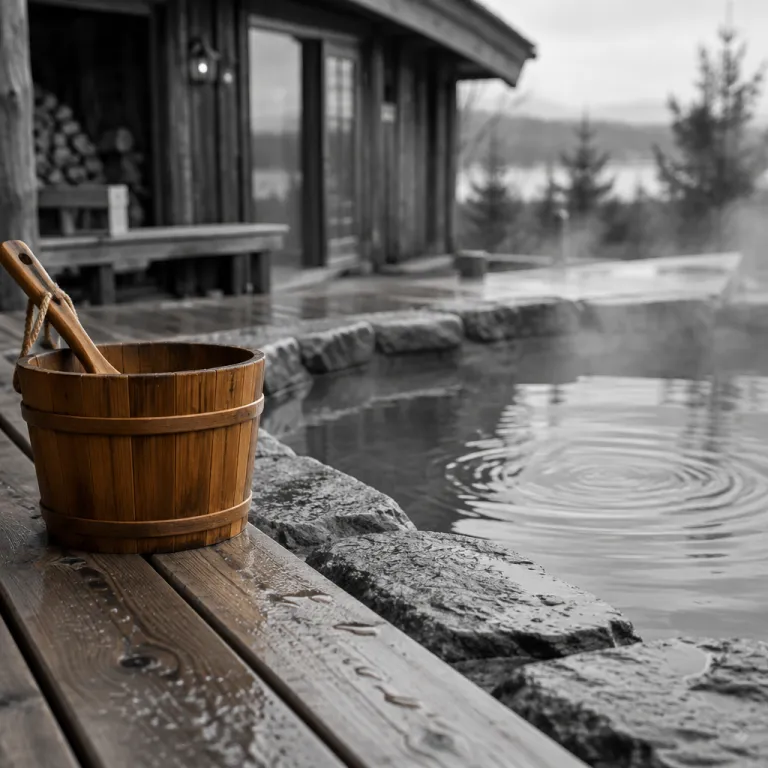
The cabin sauna cold plunge Nordic ritual, explained
A proper cabin sauna cold plunge Nordic ritual feels elemental and precise. You move through a deliberate hot cold cycle that alternates heat, icy water and quiet rest, creating a complete reset that feels earned rather than pampered. The rhythm of each session matters, because the way you control time, temperature and recovery shapes how your body responds.
The traditional Finnish pattern starts with a warm shower, then a fully heated sauna session of 10 to 15 minutes, followed by a brief cold plunge in a lake, stream or tub. That contrast between sauna cold immersion and outdoor air triggers blood vessels to constrict and dilate, which many guests describe as a full body espresso shot without the jitters. After each plunge you rest in a brown cedar chair or on a wooden bench, letting your heart rate settle before repeating the cycle two or three more times.
At its best, this Nordic experience is not a rushed spa checklist but a slow, round ritual that respects your limits. You listen to your breathing, adjust the cycle time and step out early if the heat feels too intense, keeping safety ahead of bravado. Couples who treat the ritual as shared time rather than a competition usually leave the saunas calmer, clearer and more connected to the landscape around their cabin.
Why the hot cold cycle belongs at a cabin, not just a spa
The Nordic experience makes particular sense in a cabin, where firewood, cold water and silence are already part of the stay. Instead of adding another screen or gadget, hosts turn a simple traditional Finnish sauna and a basic cold plunge tub into the main evening event. The result is a fully embodied ritual that fits the off grid ethos far better than a generic hotel spa corridor.
In the best outdoor setups, the sauna sits a short walk from the cabin, so each session begins with a crunch of snow or pine needles underfoot. You step into a warm, wood lined room, often heated by an electric heater or a wood stove, and feel the day’s noise fall away as the door closes with a soft, complete thud. After the heat, you move straight to the plunge pool or lake, letting the cold wrap around you while the forest or river valley becomes your only view.
For couples booking premium cabins, this kind of sauna cold cycle often replaces dinner out or a bar tab, which makes the price feel justified when the amenity is thoughtfully built. Properties that pair thermal rituals with elevated spa style escapes in nature, such as those highlighted in curated guides to glamping cabins with sauna, show how a simple structure can anchor an entire stay. When the hot cold contrast is framed as shared evening time rather than a quick wellness checkbox, it becomes the memory guests talk about long after checkout.
What a genuine Nordic cabin setup looks and feels like
A serious cabin sauna cold plunge Nordic setup starts with proportion and capacity, not just shiny fixtures. The sauna should comfortably match the capacity people the cabin sleeps, so couples are not crammed into a space built for a single rushed session. Look for clear information on size, cycle time recommendations and whether the facility is available year round or only in a short season.
Inside, a traditional Finnish layout usually means tiered wooden benches, a proper ventilation system and either a wood stove or a well specified electric heater with stones for steam. The best saunas allow you to control humidity by ladling water over the rocks, creating a soft, enveloping heat rather than a dry blast that cuts your breath. Details like brown cedar cladding, a simple sand timer and a bucket with a wooden ladle signal that the host understands both function and atmosphere.
Outside, a genuine cold plunge option might be a steel tub, a carved out section of lake ice or a small plunge pool with steps for safety and grip. There should be a clear, well lit path, hooks for robes and a sheltered rest area where you can sit between sessions without rushing back indoors. When cabins pair this thermal circuit with quiet riverfront decks or forest facing loungers, as seen in some luxury riverfront cabin rentals, the experience feels both refined and deeply rooted in place.
How to spot a token amenity versus a real Nordic experience
Not every listing that mentions a cabin sauna cold plunge Nordic feature delivers the same depth of experience. A token amenity might be a small electric cabinet labeled as a sauna, squeezed into a bathroom with no outdoor access and no space to cool down. You step out of the heat into the same warm indoor air, which blunts the hot cold contrast that defines the ritual.
By contrast, a serious setup treats the sauna, cold plunge and rest zone as equal parts of a complete cycle. You will see photos of the outdoor path, the plunge tub or water source and the seating area, not just a close up of the heater on sale during a renovation. Listings that mention recommended sauna sessions, approximate cycle time and clear safety guidance usually reflect hosts who have used the ritual themselves rather than adding it as a marketing line.
Pay attention to language about control and availability, because vague phrases often hide limitations in real use. If a property notes that the saunas are available year round, specifies the capacity people per session and explains how to adjust temperature, you are more likely to get a full Nordic experience. When in doubt, ask direct questions about water temperature, outdoor access and whether the cold plunge is genuinely cold or just a lukewarm tub beside the deck.
Using the hot cold cycle safely and sensibly on your stay
Approaching the cabin sauna cold plunge Nordic ritual with respect is part of the pleasure. Start with shorter sauna sessions, especially if you are new to heat, and sit on the lower bench where the temperature is milder and easier to control. Step out the moment you feel lightheaded, because safety always outranks finishing a planned cycle.
Move to the cold plunge slowly, using the ladder or steps rather than jumping, and keep your first immersion to just a few breaths. Let your body register the cold, then step out and wrap up warmly, giving yourself full time to rest before deciding whether to repeat the sequence. Many couples find that two or three gentle cycles leave them pleasantly heavy limbed and ready for sleep, while more can feel depleting rather than restorative.
If you have cardiovascular concerns, are pregnant or take medication that affects blood pressure, speak with your doctor before planning intense sauna sessions or extreme hot cold contrasts. Families traveling with children can still embrace screen free rituals by focusing on milder heat, outdoor rest and simple water play, as outlined in guides to family cabin vacations with screen free activities. Treat the ritual as a shared, attentive practice rather than a dare, and the Nordic experience will feel like a complete, quietly luxurious highlight of your cabin stay.
Reading the fine print: pricing, value and what to ask before you book
For luxury and premium cabins, the price of a sauna cold plunge Nordic setup often sits alongside hot tubs and firepits in the amenity list. Some hosts include unlimited sauna sessions in the nightly rate, while others charge per session or per day, especially when firewood or electricity use is high. Clarify whether the facility is private to your cabin or shared, because that affects both value and the intimacy of your ritual.
Ask how the saunas are heated and maintained, since a well tuned electric heater or carefully managed wood stove can change both comfort and running costs. Properties that invest in fully insulated structures, quality materials and clear safety features usually treat the thermal circuit as a long term asset rather than a quick sale upgrade. You are not just paying for equipment, but for thoughtful design that keeps the experience comfortable in full winter and in shoulder seasons.
Wellness focused travel, including digital detox stays at cabins, has grown into a significant segment of the tourism market in North America, which means more hosts are adding thermal amenities to compete. That growth makes it even more important to read descriptions closely, compare what is offered and ask for complete details before committing your time and budget. When you find a cabin where the Nordic experience is treated as a carefully curated ritual rather than a checkbox, the value of each quiet, steam filled evening becomes very clear.
FAQ
How many hot cold cycles should I do in one evening?
Most healthy adults find that two or three full cycles of heat, cold plunge and rest feel both invigorating and manageable. Start with shorter sauna sessions of 8 to 10 minutes, followed by brief immersions of just a few breaths in cold water. If you still feel strong and clear after resting, you can add another round, always stopping before you feel depleted.
Is a lake or river better than a plunge tub for cooling down?
Natural water such as a lake or river offers a powerful sense of place and often a deeper cold, which many guests love. A dedicated plunge tub, however, can provide more predictable temperatures and easier access, especially in winter or at night. The best choice is the one that feels safe, controlled and easy to exit quickly if you become uncomfortable.
Can I use the sauna if I have heart or blood pressure issues?
People with cardiovascular conditions or blood pressure concerns should speak with their doctor before using intense heat or cold immersion. The hot cold contrast can place extra stress on the circulatory system, especially during longer sessions or very cold plunges. If your doctor approves, start with milder temperatures, shorter times and avoid sudden changes between extremes.
What should I bring to make the Nordic ritual more comfortable?
Pack two swimsuits, so you can change into a dry one between cycles, along with non slip sandals and a warm robe or towel. A wool hat can help you tolerate sauna heat longer by keeping your head cooler, while a water bottle prevents dehydration. Many couples also bring a simple timer or use a watch to keep track of session length without relying on phones.
How do I know if a cabin’s sauna setup is worth the higher nightly rate?
Look for clear photos of the sauna interior, the cold plunge option and the outdoor rest area, not just a single marketing shot. Detailed descriptions of capacity, heating method, year round availability and safety features usually signal a serious investment rather than a token amenity. Reviews that mention the Nordic ritual as a highlight of the stay are often the best indicator that the higher price delivers real value.