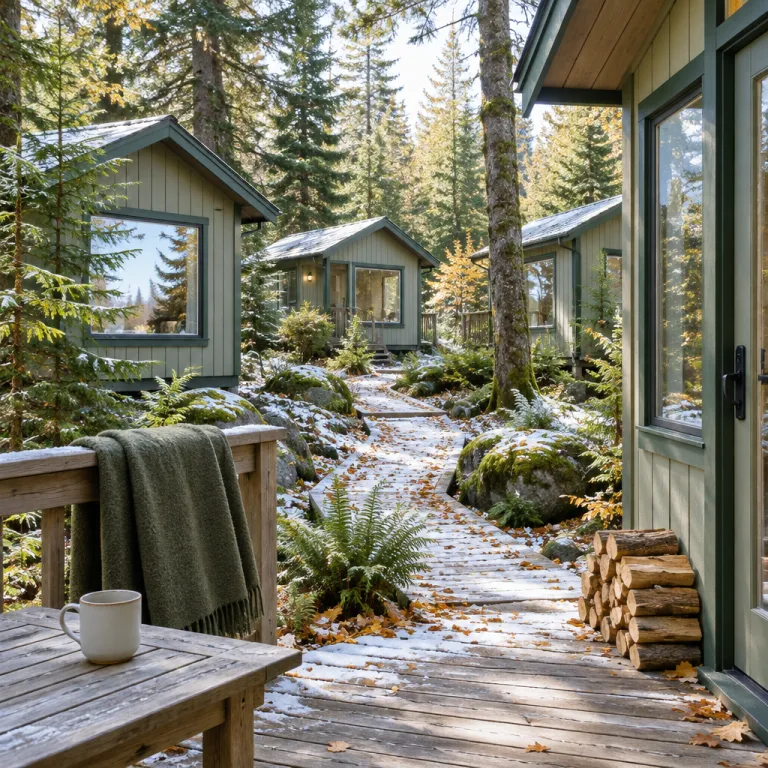
Why winter cabin rate demand off-season refuses to collapse
Luxury cabins used to empty out once the last leaves fell and the summer season faded. Now cold-weather demand is shaped by travelers who treat winter as the main event, not a consolation prize after high summer. For many guests, the real product is the firelit living room, the snow-muted forest and the long quiet stay that feels designed for thinking rather than tanning.
On a premium cabin booking platform, you can see this in the pricing curves for each property across the year-round calendar. Instead of a single high season and a long low season, there is a second arc of seasonal demand where winter weekends, holiday weeks and snow-chasing trips push rates back toward peak levels. In internal data from one U.S.-based luxury platform in 2023, for example, average daily rates in January for top-quartile cabins now sit within 10–15% of July pricing in several mountain markets. Owners who once slashed rates after Labor Day now hold firm because bookings arrive from business travelers extending trips, remote workers chasing a different view and couples planning a cold-season vacation around silence and snow.
For you as a business-leisure traveler, this means winter cabin pricing in the off-season is not a bargain free-for-all but a more nuanced market. Some vacation rentals still behave like traditional summer homes and soften their rates sharply once the lakes freeze, especially for longer term rental stays. Others, especially architect-designed cabins with strong rental marketing and loyal cold-season travelers, maintain high rates because every weekend is spoken for months in advance. In popular regions such as the Catskills or Colorado’s Front Range, hosts report that prime winter Saturdays now book out 60–90 days ahead, even when midweek nights remain flexible.
What actually holds rate in the cozy season
Not every cabin deserves strong winter demand that rivals July, and the market is finally sorting that out. A true winter-ready vacation rental has insulation that works, a serious wood stove or efficient fireplace, a hot tub that does not freeze at minus temperatures and a layout that makes staying indoors for most of the day feel like a privilege. An unheated summer box with thin walls and a decorative fire pit will slide into low season pricing because guests quickly learn the difference and seasonal bookings follow their reviews.
On luxury platforms, the cabins that hold high season rates into the snow months are the ones that treat the cold as a feature, not a flaw. They invest in dynamic pricing tools that read short term demand spikes around snowstorms, ski openings and long weekends, then start adjusting rates with precision instead of guesswork. One Lake Tahoe host, for instance, uses automated pricing to lift rates by 20–30% when major storms are forecast, while still offering softer midweek pricing to fill gaps. Hosts who understand winter revenue patterns also rethink minimum stay rules, relaxing them midweek to attract remote workers while keeping a stricter minimum stay over holiday peaks where every night is high demand.
For the business-minded traveler, the value test is simple yet unforgiving. If a property charges peak season pricing in January, it should deliver winter-specific amenities, from heated mudrooms to reliable access on icy roads and fast Wi-Fi that can handle video calls during a storm. Cabins that lean into silence and disconnection, the kind explored in depth in this guide to charging for silence, can justify firm rates when they pair that quiet with real comfort rather than rustic inconvenience. A well-run winter cabin will spell out snowplow schedules, backup power options and thermostat controls in its listing, signaling that the higher nightly rate buys reliability as well as atmosphere.
The new calendar: from foliage shoulder to snow-season peak
The old assumption was simple; once foliage ended, the cabin market slid into a long low season where only the most aggressive pricing could tempt bookings. That pattern is breaking as cold-weather cabin demand is reshaped by overlapping travel motives that stack across the colder time of year. Think early snow trips, Thanksgiving gatherings, December holidays, New Year escapes, midwinter ski weeks and late-season snowshoe weekends, each creating its own pocket of high demand.
Data from U.S. short term rentals shows that differentiated properties now hold their rates better than commodity cabins across the year, especially when they use dynamic pricing and thoughtful rental marketing. Industry reports from firms such as AirDNA’s “U.S. Short-Term Rental Outlook 2024” and Transparent’s “Global Vacation Rental Market Review 2023” have tracked annual U.S. short-term rental demand growth in the low single digits while total listings expand at a slightly faster pace, a gap that pressures generic inventory but rewards standout homes. For a luxury cabin, that means the calendar no longer has one peak season but several mini peaks, with quiet troughs in between that reward flexible travelers. If you can start your stay on a Tuesday instead of a Friday, or shift your cold-season vacation to the week after a major holiday, you often find fairer rates without sacrificing quality.
Timing matters as much as destination when you are tracking winter cabin value for a business-leisure trip. Booking windows have shortened for many vacation rentals, especially among younger seasonal travelers who watch snow forecasts before committing, a trend unpacked in this analysis of shorter booking windows. In ski regions like Utah’s Wasatch or Vermont’s Green Mountains, hosts report that a growing share of winter reservations now arrive less than 30 days before check-in. Executives who plan ahead still gain an edge, locking in premium properties before social media buzz and last-minute demand push rates toward high season levels.
Reading value: when firm winter pricing is fair
From a traveler’s perspective, the key question is not whether off-season winter demand is rising but whether the pricing feels justified. A cabin that charges high season rates in February should offer more than a pretty listing; it should deliver a coherent winter experience where the architecture, heating, lighting and landscape all support long indoor evenings. When that happens, the rate reflects a scarce product rather than opportunistic scarcity.
Look closely at how each property structures its minimum stay and term rental options across the season. Some hosts use dynamic pricing to nudge shorter stays into midweek slots, keeping weekends open for longer vacation rental bookings that anchor their revenue. Others reward extended stay guests, especially remote workers, with softer nightly rates over a full week or more, effectively creating a low season pocket inside a broader high demand period. In markets with strong repeat business, hosts sometimes offer returning guests stable winter pricing in exchange for booking the same dates each year, smoothing out volatility for both sides.
Signals of fair value are usually visible before you book. Transparent calendars that show consistent year round pricing patterns, clear explanations of winter access, and thoughtful details about heating systems and snow management suggest a host who understands both comfort and cost. When you see erratic rates that spike only on holidays without any added service, or cabins that market themselves heavily on social media while hiding basic information about winter readiness, it is a sign that seasonal demand is being used as a blunt tool rather than a refined one. Reading a handful of recent winter reviews, especially from guests who mention work trips or longer stays, will often confirm whether the price aligns with the actual experience.
How luxury cabin platforms shape winter demand and pricing
Luxury and premium cabin platforms now sit at the center of off-season winter pricing, translating traveler behavior into clear rate signals. Their data shows which vacation rentals earn repeat bookings in the cold months, which properties underperform despite strong summer reviews and how seasonal demand shifts as remote work and blended trips become normal. In a market where U.S. short-term rental demand is projected to grow about 4.1% while listings rise roughly 4.6%, a pattern echoed in recent industry outlooks from major analytics firms, differentiated properties hold rate better than commodity ones, and the platforms reward cabins that treat winter as a core season rather than an afterthought.
These sites use sophisticated rental marketing, from curated collections of snow-ready cabins to editorial features that highlight specific regions and time-of-year patterns. Hosts who understand this ecosystem invest in design and materials that perform in harsh weather, often guided by resources such as this deep dive into eco cabin materials that hold up off grid. When a property is built for year round use, with proper insulation, efficient heating and resilient finishes, it can sustain higher rates without eroding guest satisfaction. One Scandinavian-inspired cabin in northern Michigan, for example, reports winter occupancy above 80% after upgrading windows, adding radiant floors and repositioning its listing around “deep work retreats.”
For business-leisure travelers, the benefit is a clearer signal amid the noise. Platforms surface cabins where winter reviews mention quiet, warmth and reliable access as often as views and décor, helping you judge whether firm pricing reflects genuine quality. As more seasonal travelers share their stays on social media, the best winter cabins become aspirational objects, which in turn boosts cold-weather demand and allows hosts to keep adjusting rates with confidence rather than panic discounting every time the forecast turns grey.
FAQ
Why are winter cabin rates often similar to summer prices ?
Off-season winter demand has grown because many travelers now seek snow, silence and firelit interiors as their primary vacation experience. When a property is designed and equipped for true cold-weather comfort, it becomes a scarce product during the darker months, allowing hosts to maintain rates close to summer levels. Luxury cabins that deliver this standard rarely need to discount heavily outside the traditional high season, especially in drive-to mountain and lake regions.
How can I find good value on a winter cabin stay ?
Look for cabins that show consistent year round pricing patterns rather than sudden spikes around holidays with no added service. Shifting your stay to midweek or to the quieter weeks between major holidays often yields better rates without sacrificing quality. Reading recent winter reviews is essential because they reveal whether the property actually performs well in cold conditions, from heating reliability to snow-clearing and internet stability.
When should I book a winter cabin to get the best rate ?
For peak season dates such as major holidays and long weekends, booking several months ahead usually secures both availability and more stable pricing. For flexible trips outside those peaks, watching calendars and booking four to six weeks before arrival can balance choice and cost. Shorter booking windows are common among snow-chasing travelers, so waiting too long for a last-minute deal can backfire on high-demand weekends, especially in smaller markets with limited high-end inventory.
What features justify higher winter cabin pricing ?
Higher winter rates are most defensible when a cabin offers strong insulation, reliable heating, a well-maintained fireplace or stove, and safe access on snowy roads. Extras such as outdoor hot tubs, gear storage, fast Wi-Fi and thoughtful lighting also add value for both leisure and business use. When these elements align, the pricing reflects a complete winter experience rather than just a scenic backdrop, and guests are more likely to return at the same rate the following year.
Do remote workers change winter cabin demand patterns ?
Remote workers have extended traditional weekend peaks into longer stays, especially in regions with good connectivity and winter recreation. Many hosts now tailor minimum stay rules and dynamic pricing to attract these guests for midweek or multiweek bookings. This shift supports stronger off-season occupancy and helps cabins maintain healthier revenue across the colder months, smoothing income that used to depend almost entirely on a few holiday weeks.