The off grid cabin bathroom: what really replaces the flush
Luxury off grid cabins rarely advertise the first thing you notice ; the toilet. A genuinely off grid cabin composting toilet greywater setup replaces the familiar flush with composting toilets that turn human waste into stable compost over time, using air and carbon rich cover material instead of large volumes of water. For many guests this is their first meeting with a waterless toilet, and the experience is far less dramatic than the myths suggest.
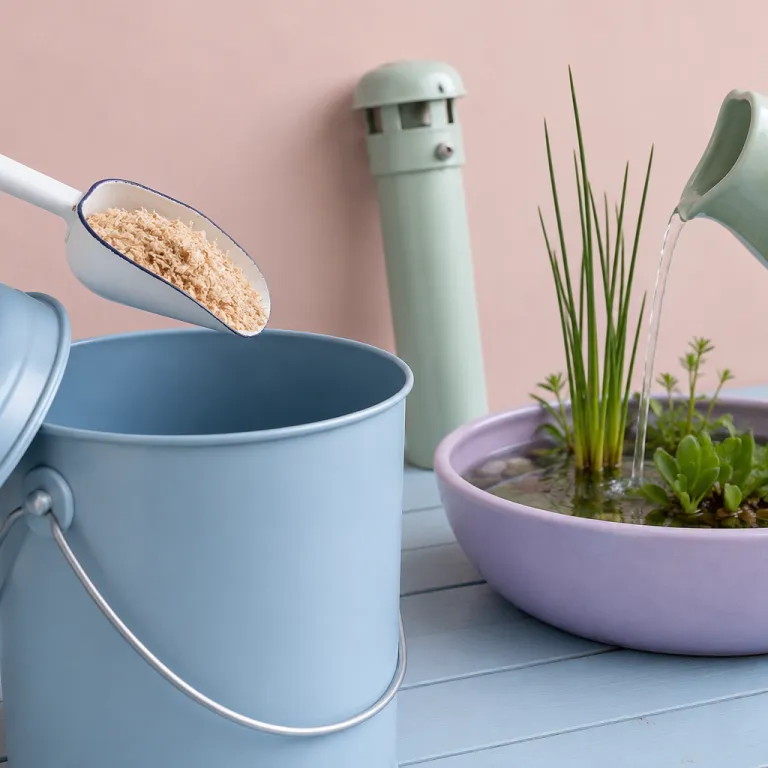
In a modern composting toilet, waste drops into a sealed tank or drum where a carefully balanced system of oxygen, warmth and dry bulking material encourages compost rather than smell. High end cabins usually choose self contained composting toilets with a fan driven ventilation system, which keeps the toilet area surprisingly neutral in odor while the composting system quietly works below. You will often see a small sign explaining that the toilet is waterless, that you should add a scoop of sawdust after each use and that the cabin’s eco friendly ethos depends on this simple ritual.
Designers of premium grid living alternatives know that the word toilet can unsettle travelers who imagine rough camping rather than refined comfort. The best properties treat the composting toilet as just another piece of well designed equipment, with porcelain seats, soft lighting and clear instructions that make the system feel intuitive within a few days. For guests staying full time in an off grid tiny house, the rhythm of using composting toilets quickly becomes second nature, and the lack of a traditional septic system is more talking point than hardship.
How composting toilets actually work in luxury cabins
Behind the polished timber door, the composting toilet in a luxury cabin is a carefully engineered system, not a rustic experiment. Solid waste and toilet paper fall into a lower chamber where dry carbon material such as wood shavings or coconut coir is added, helping the compost stay aerated and reducing moisture so the system never turns into sludge. Many high end cabins use urine diverting seats that separate urine from solids, sending liquid either to a dedicated grey water line or a small septic tank, which dramatically improves odor control.
Because the toilet is waterless, there is no conventional flush ; instead you may see a lever that rotates an internal drum or simply a lid that you close before adding cover material. Over time, aerobic bacteria break down the waste into compost, and in well managed systems this composting process can take several months of rest before the material is safe to handle. Property managers schedule emptying during low occupancy days, so guests rarely see the compost or the dry chamber, and the only reminder of the system is the gentle hum of a fan drawing air through the vent pipe.
For travelers comparing cabins with grid toilets and those with composting toilets, the key difference is not comfort but mindset. You are participating in a closed loop waste system rather than sending everything into a hidden septic system or municipal sewer, and that participation is part of the eco friendly luxury you are paying for. If you want more context on how sustainable features influence bookings, look at how green certification for cabin rentals affects demand in detailed analyses such as this deep dive into eco labels and cabin bookings, which shows that guests increasingly value transparent, low maintenance solutions over invisible infrastructure.
Greywater, grey water and where your shower actually drains
Once you understand the composting toilet, the next question is where the greywater from sinks showers and washing machines goes. In an off grid cabin composting toilet greywater configuration, grey water means lightly used water from bathroom sinks, kitchen sinks, showers and sometimes laundry, which is treated separately from toilet waste. Luxury cabins often use compact greywater systems with filters, settlement tanks and subsurface irrigation fields that return clean water to the soil without the footprint of a traditional septic system.
Because the water system is closed and local, hosts will usually ask you to use specific eco friendly soaps and shampoos, since harsh chemicals can damage the biological systems that treat grey water. You might notice a small cabinet stocked with biodegradable products and a note explaining that everything going down the sinks showers and washing machines lines ends up in the same greywater treatment system that protects nearby streams. This is not marketing language ; in remote locations, a single guest ignoring the rules can overload a small tank or disrupt the bacteria that keep the system functioning over time.
Architects designing cabins for full time grid living alternatives now treat greywater as a resource rather than a problem, routing treated grey water to irrigate native plantings or to recharge shallow soils that would not support a conventional septic tank. If you are curious about how these systems integrate with structure and materials, technical guides on eco cabin materials that hold up off grid often include sections on compatible plumbing layouts and low maintenance water system choices. For the guest, the main request is simple ; keep showers short, use the provided products and remember that every liter of water has a visible destination, not an invisible pipe to a distant treatment plant.
Water limits, rain tanks and why your long shower is not included
Off grid cabins treat water as a finite luxury, not an endless background service. Many properties rely on rainwater catchment systems feeding a storage tank, sometimes only a few thousand liters, which must cover sinks showers, washing machines and kitchen use for several days between deliveries or storms. When you see a note about limiting shower time or spacing out laundry, it is not about policing comfort ; it is about keeping the water system stable for every guest on the calendar.
In a typical off grid cabin composting toilet greywater setup, the absence of a flush toilet dramatically reduces daily water demand, freeing capacity for short but genuinely hot showers and careful dishwashing. Hosts often install low flow fixtures and sometimes timer based showers, where the water stops after a set period and you tap a button to restart, which gently nudges you toward awareness without feeling punitive. Some cabins display a simple gauge showing the current tank level, turning the abstract idea of conservation into a visible metric that guests can respond to in real time.
Compared with a house on the grid, where municipal supply and traditional septic systems hide the true cost of every liter, an off grid water system makes each choice legible. If you run the washing machines twice a day or leave taps running while brushing your teeth, the tank drops and the greywater system must handle more volume, which can stress filters and pumps. For travelers who enjoy planning, pairing a water conscious stay with a quieter travel window, such as the shoulder periods explored in this analysis of shoulder season cabin stays, often means fewer competing guests drawing from the same tank and a more relaxed rhythm around shared resources.
What will actually feel different during your stay
The biggest surprise for many first timers is how normal the bathroom feels once you understand the system. You will likely notice a slightly higher toilet seat, a different sound when you sit and perhaps a small container of dry cover material beside the composting toilet instead of a handle to flush. Instructions may mention urine diverting features, asking men to sit rather than stand so the system can separate urine and solids, which keeps the compost drier and reduces the volume that any backup septic tank or greywater line must handle.
Another difference is the language around waste, which is more explicit than in a hotel on the grid, because the system depends on your cooperation. Signs will ask you not to throw anything but toilet paper into composting toilets, since items like wipes or sanitary products do not break down and complicate emptying and maintenance days for the property team. You might also see a polite reminder that the cabin uses a waterless toilet and a compact septic system or no septic system at all, so every guest choice directly affects how low maintenance the setup remains over the season.
Smell is the concern guests mention most often, yet a well designed composting toilet in a premium cabin should smell less than many conventional toilets connected to aging septic systems. Constant ventilation, dry cover material and the absence of standing water mean there is no classic bathroom odor, only a faint woody scent from the compost medium. If you ever notice a strong smell, it usually signals a simple issue such as a fan switch being off or the tank nearing its scheduled emptying, and hosts in serious grid living properties respond quickly because their reputation depends on it.
Who thrives off grid and who should book a hybrid cabin
Not every traveler will love a full time off grid cabin composting toilet greywater experience, and that is perfectly acceptable. If you know that bodily functions make you squeamish, or you are traveling with someone who needs predictable accessibility features, a hybrid cabin with a conventional flush toilet connected to a robust septic system and only partial off grid elements may be the better choice. These properties often keep standard grid toilets for the main bathroom while using composting toilets in secondary spaces, which lets hesitant guests ease into the idea without committing fully.
On the other hand, solo explorers, hikers and guests already curious about tiny house living usually adapt quickly and often prefer the honesty of a waterless toilet and visible greywater systems. They appreciate that their stay does not rely on traditional septic infrastructure, that urine diverting designs reduce nutrient loads on fragile soils and that low maintenance systems mean fewer service trucks on remote roads. For this audience, the ritual of adding a scoop of compost material, checking the water tank gauge and timing showers becomes part of the pleasure, a daily reminder that luxury can be both eco friendly and quietly disciplined.
Families with young children or multi generational groups should read cabin listings carefully, paying attention to whether the property uses a grid toilet, a fully waterless composting toilet or a mix of systems. If someone in your party has medical needs that increase water use or waste volume, such as frequent laundry or long therapeutic baths, a cabin with a larger septic tank or a connection to the grid may reduce stress for everyone. The most reputable hosts describe their systems clearly, answer questions about waste and water system capacity and never oversell off grid living as effortless when it actually asks for a bit of shared responsibility.
How to read listings and ask the right sustainability questions
When you browse a premium cabin booking site, the language around sustainability can range from precise to poetic. Look for concrete details such as “waterless composting toilet with urine diverting seat”, “separate greywater system for sinks showers and washing machines” or “rain fed water system with storage tank” rather than vague claims about being eco friendly. These phrases indicate that the host has invested in real systems, not just marketing copy, and that they understand the difference between grey water and black water waste streams.
If a listing mentions a traditional septic or septic tank, ask whether the cabin is still on the grid for water and waste or whether it uses a hybrid approach with composting toilets plus a small septic system for backup. Clarify how often the compost chamber needs emptying, whether guests ever interact with that process and what rules apply to products going into the toilets and sinks. Serious operators will explain that grid toilets are absent by design, that their septic systems are sized for the number of guests and days they host and that low maintenance does not mean no maintenance ; it means systems that work quietly when everyone follows simple guidelines.
For travelers who care about both comfort and impact, the most reassuring sign is a host who can talk fluently about their grid toilet alternatives, their water system capacity and their approach to waste. They will be clear about the limits of off grid living, such as asking you to space out washing machine loads or to keep showers short when the tank is low, and they will share how these choices protect local streams and soils. Over time, as more guests choose cabins that are transparent about compost, greywater and septic systems, the market will reward properties that treat sustainability as infrastructure rather than as a decorative label.
Key figures on off grid water, waste and guest behavior
- Studies from the U.S. Environmental Protection Agency report that conventional flush toilets account for roughly 24 % of indoor household water use, so replacing them with a waterless composting toilet in an off grid cabin can cut total indoor water demand by nearly one quarter during a stay.
- Data from the Water Research Foundation indicate that average daily residential water use in the United States is about 300 liters per person, while well managed off grid cabins with rain fed water systems often design for 100 to 150 liters per person per day, which requires guests to take shorter showers and limit washing machine cycles.
- Field surveys of decentralized wastewater systems show that properly sized septic systems can last more than 20 to 30 years with regular pumping, but poorly managed cabins that overload a small septic tank with excessive grey water or inappropriate waste can cut that lifespan in half.
- Research on composting toilets in cold climate cabins has found that separating urine from solids can reduce the volume entering the compost chamber by up to 70 %, which improves drying, speeds composting and reduces the frequency of emptying for hosts managing high occupancy calendars.
- Industry reports on eco accommodation bookings show that listings with clearly described sustainability infrastructure, including composting toilets and greywater systems, can command rate premiums of 10 to 20 % compared with similar properties that rely on traditional septic only, reflecting growing guest willingness to engage with off grid practices.
FAQ about composting toilets and greywater in off grid cabins
Will a composting toilet in a luxury cabin smell bad
A well designed composting toilet in a premium cabin should not smell worse than a conventional toilet, and often smells better. Constant ventilation, dry cover material and, in many cases, urine diverting seats keep the compost chamber aerobic and prevent the stagnant water odors associated with some septic systems. If you notice a strong smell, it usually signals a simple issue such as a fan being off, which hosts can resolve quickly.
Is greywater from sinks and showers safe for the environment
Greywater from sinks showers and washing machines can be safe for the environment when it is treated through properly designed systems and when guests use biodegradable, eco friendly products. Off grid cabins often route grey water through filters and subsurface irrigation fields, which prevent direct discharge into streams or lakes. Following host guidelines on soaps and detergents is essential to keep these systems functioning and to protect local ecosystems.
Can I take normal length showers in an off grid cabin
You can usually take comfortable hot showers, but not endlessly long ones, because the cabin’s water system and storage tank have finite capacity. Many off grid properties design for shorter showers and may use low flow fixtures or timers to keep overall water use within sustainable limits. Checking any posted guidance about shower time and spacing out high demand activities like laundry helps ensure there is enough water for your entire stay.
What happens to the compost from composting toilets
In most jurisdictions, the compost from composting toilets is managed by the property owner, not by guests. After a rest period that allows waste to break down into stable compost, hosts either dispose of it according to local regulations or use it on non food landscaping where permitted. Guests typically never see the composting chamber or the emptying process, which is scheduled between bookings.
How do I know if an off grid cabin is right for me
An off grid cabin is a good fit if you are comfortable following simple guidelines about toilet use, water conservation and product choices, and if you are curious about how grid living alternatives work in practice. If you prefer not to think about waste or water systems at all, a hybrid cabin with a conventional flush toilet and larger septic system may suit you better. Reading listings carefully and asking hosts direct questions about toilets, greywater and water system capacity will help you choose a property that matches your comfort level.