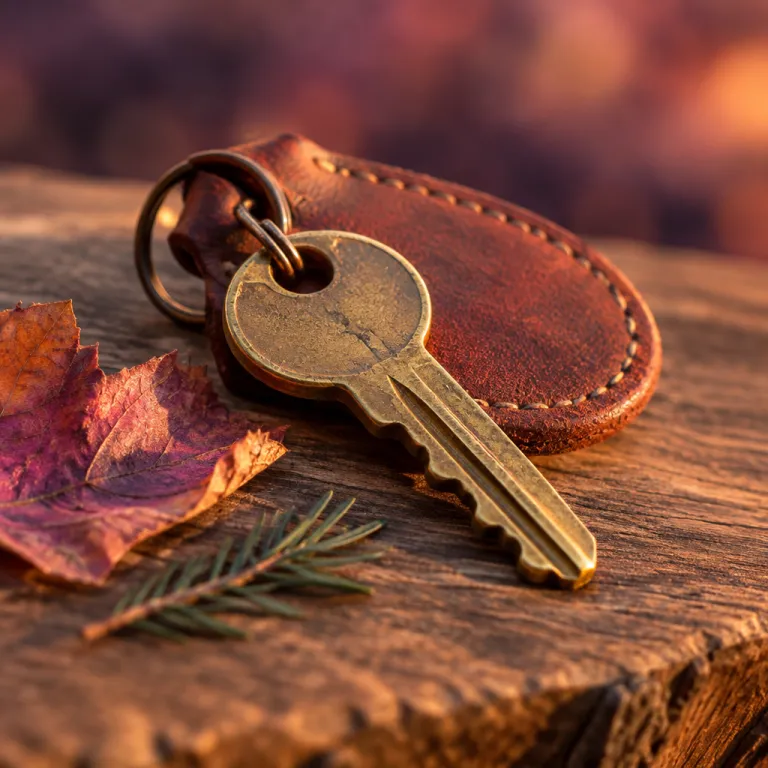
Why the first thirty minutes at a cabin matter more than you think
Your cabin arrival experience first impression starts long before you see the roofline. That first glimpse of the track that opens into the trees, the way the gravel curves and the forest closes or opens around you, sets a quiet expectation that will color every hour of your stay. In remote cabins where there is no front desk and no lobby class hierarchy, those first thirty minutes become the unofficial check in, the moment when you decide whether this cabin feels like a refuge or a mistake.
Luxury cabins amplify that decision because travelers usually arrive tired from a long drive or a cramped flight. You step out of the car, stretch your legs as if leaving a business class seat, and the air, the smell of woodsmoke, the sound of water or wind instantly compete with your memory of airport noise. When the cabin arrival experience first impression is calm, legible and thoughtfully designed, your nervous system drops a gear and the whole stay feels as if it already works.
Remote properties rarely offer the safety net of a twenty four hour service team. There is no concierge to smooth over confusing directions, no bell staff to explain how the lock opens or where the light switches hide, so the cabin itself must carry that hospitality weight through design and details. Hosts who understand this design the arrival sequence as carefully as the bed or the bathroom, because they know the first ten minutes decide whether guests notice flaws or enjoy the generous space and comfort that follows.
The small frictions that can sink a promising cabin stay
Most cabin complaints start with the arrival, not the view. When the GPS drops out ten kilometers from the property and the last email with directions opens badly on a cracked phone screen, the cabin arrival experience first impression tilts from adventure toward anxiety. By the time you finally see the cabin, even a thoughtfully designed façade can feel hostile if you have circled the same forest road three times.
Once you reach the door, a fiddly smart lock can undo an hour of anticipation. Guests juggle bags, try to remember whether the host said the handle opens upward or downward, and wonder why a simple key would not have been enough for a remote cabin that promises comfort and ease. If the first door you open reveals a cold, dark interior with no warm lamp, no visible bed and no hint of a peaceful atmosphere, the mind quietly starts scoring the stay down before the first night has even begun.
Inside, missing first night essentials deepen the sense of friction. A luxury cabin can advertise generous space and high design, but if there is no dry firewood stacked, no clear instructions for the stove, and no obvious place to seat yourself with a glass of water, guests feel stranded rather than indulged. This is where a refined alternative such as South Padre Island villa rentals, which often choreograph arrival with hotel level clarity, can outperform cabins that underestimate how fragile those first impressions remain.
What great cabin hosts get right in the arrival ritual
The best hosts treat the cabin arrival experience first impression as a crafted ritual. Clear pre arrival communication sets the tone, with directions that explain where the road opens into a clearing, where to park, and how the path to the cabin is lit after dark. They write in human terms, not legal terms of privacy policy, and they anticipate that a solo traveler may be arriving late, alone and slightly on edge.
Wayfinding continues at the property line, where a simple sign and one warm exterior light guide you toward the door. The lock works on the first try, the handle opens smoothly, and a soft interior lamp glows through a window so you can already enjoy a hint of the interior design before stepping inside. Hosts who understand service at this level know that a single working switch, a visible thermostat and a welcome note explaining quirks offer more exclusive benefits than any generic amenity list.
Inside the cabin, the space feels thoughtfully designed for that crucial half hour. Firewood is stacked by the stove, kindling is dry, and a single matchbox sits where your hand naturally reaches when you seat yourself on the main sofa, ready to enjoy peaceful quiet. The bed is already made with weighty linens, a throw is folded where you might sleep or work by the window, and a short printed guide explains how to manage heating, hot water and pet fees with the same clarity you would expect from a transparent breakdown of what a cabin’s dog charge actually pays for.
How guests can engineer a better first impression for themselves
Hosts carry much of the responsibility, but guests shape the cabin arrival experience first impression too. Solo explorers in particular can stack the odds in their favor by planning the journey as carefully as they book the cabin, treating the last hour of the drive as part of the stay rather than dead travel time. Aim to arrive while there is still daylight so the forest road, the steps and the surrounding cabins feel legible rather than ominous.
Before you leave the last town, download directions and any access codes in case the signal drops and your email no longer opens when you need it most. Pack a small arrival kit in the front seat of the car with a headlamp, a warm layer and a bottle of water, so you can step into the cabin without rummaging through luggage in the dark. Think about your own rhythm too ; if you know you will want to sleep or work soon after arrival, choose a cabin where the main room is designed with a real desk by a window and a bed that looks inviting rather than merely adequate.
Setting expectations also matters. Decide in advance whether you want hotel style service or a more independent stay, then book cabins that match that preference instead of hoping a remote cabin will behave like a staffed resort. If you crave immediate relaxation, consider pairing a rustic cabin with a night in a property that emphasizes refined comfort and structured amenities, such as a villa rental with a private hot tub where the arrival choreography is closer to a traditional hotel stay.
How arrival sets the emotional baseline for every moment that follows
Once you cross the threshold, the cabin arrival experience first impression quietly calibrates your expectations. A calm, coherent first half hour makes you more forgiving of minor flaws, while a chaotic arrival primes you to notice every speck of dust and every creak in the floorboards. In cabins where the promise is space, silence and comfort, that emotional baseline can be the difference between a stay that feels like a retreat and one that feels like an expensive mistake.
Design plays a decisive role here, far beyond aesthetics. A cabin that is thoughtfully designed for arrival will place the main window, the seating area and the bed in a way that immediately explains how you might enjoy the space, whether you plan to sleep, work or simply enjoy peaceful stillness by the fire. When a single switch brings up a warm pool of light, when the first view from the window frames trees or water rather than the parking area, your body reads those details as an invitation to relax.
That is why the most successful luxury cabins treat arrival as a ritual, not an afterthought. They understand that guests carry the memory of the road, the airport, the cramped flight and the crowded business class lounge into the cabin, and that the first thirty minutes must gently overwrite that noise. When the cabin opens itself with grace, when service is present but unobtrusive and when every early gesture feels intentional, the rest of the stay unfolds from a place of trust rather than skepticism.
Designing cabins for arrival: from layout to light and privacy
For owners and designers, treating the cabin arrival experience first impression as a design problem unlocks practical decisions. Start with the approach ; the path from car to door should be short, well lit and intuitive, with one clear line of sight so guests never wonder which entrance to use. A small covered porch where you can seat yourself to remove boots or pause with a bag signals both comfort and care.
Inside, prioritize a layout that opens the main living space immediately, rather than forcing guests through a narrow corridor before they reach the heart of the cabin. Place a generous window opposite the door so the first view is outward, into landscape and light, not inward toward storage or appliances. Arrange furniture so there is an obvious place to sit, an obvious place to drop bags and an obvious path to the bed, because clarity in those first steps feels like high class service even in the simplest cabins.
Lighting and privacy complete the picture. A layered scheme with one warm overhead light, a reading lamp by the bed and a dimmable fixture near the window allows guests to shape their own peaceful atmosphere from the first minute, whether they want to sleep, work or enjoy a late drink. Thoughtful window treatments protect terms of privacy without killing the view, and small gestures such as a robe on a hook or a carafe of water by the bed act as exclusive benefits that cost little but signal deep attention to arrival.
FAQ
Why does the first half hour at a cabin feel so intense ?
The first half hour at a cabin often follows a long journey, so your senses are heightened and you notice every detail. With no front desk or lobby to mediate the transition, the cabin itself becomes the host, and small frictions like confusing locks or poor lighting feel larger than they are. That intensity is why a calm, well designed arrival can transform your perception of the entire stay.
How can I tell from a listing whether arrival will be smooth ?
Look for listings that describe the approach, parking and access in concrete terms rather than vague reassurances. Hosts who mention lighting, clear signage, step free paths and simple locks usually think carefully about arrival, while listings that only show interior photos may be hiding awkward access. Reviews that praise easy check in and clear instructions are often more reliable than generic comments about style.
What should hosts prioritize to improve the arrival experience ?
Hosts should start with accurate directions, reliable locks and good exterior lighting, then add a few intentional interior touches. A warm lamp left on, firewood ready to use and a short printed guide to quirks usually matter more than elaborate welcome baskets. Investing in these basics creates trust quickly and reduces late night messages from confused guests.
How can solo travelers feel safer when arriving at remote cabins ?
Solo travelers can share their itinerary with a trusted contact, aim to arrive in daylight and confirm access details with the host before leaving the last town with mobile coverage. Choosing cabins with clear photos of the exterior, the parking area and the entrance also helps you visualize the arrival. Once on site, locking doors, closing curtains at night and keeping a charged phone nearby can provide additional peace of mind.
Does a difficult arrival always ruin the whole stay ?
A difficult arrival does not automatically ruin a stay, but it sets a negative baseline that can be hard to shake. If the cabin is otherwise comfortable and well maintained, a good night’s sleep and a calm morning can reset your perception. Hosts who respond quickly to issues and acknowledge the problem often help guests move past a rocky first impression.