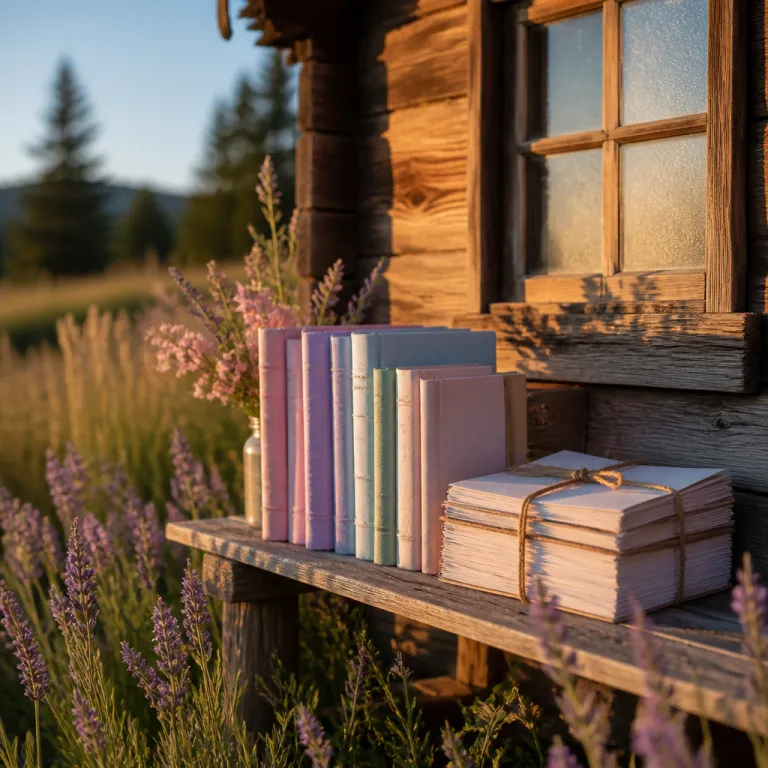
Section 1 – Why secluded cabins suit writers and creatives
A secluded cabin writer retreat gives you something a city apartment rarely can. You gain a rare balance of silence, natural light, and reliable comfort that turns a simple cabin into a serious writing retreat. In the right place, the line between everyday house and dedicated creative space almost disappears, especially when the cabin is arranged around how you actually work.
For many writers, the ideal retreat is a cabin set back from traffic noise yet close enough to services for longer stays. These cabins function as temporary homes, with a real bedroom, a mini kitchen, and a dedicated writing desk rather than a repurposed dining table. That mix of domestic ease and uninterrupted time is what separates a casual cabin getaway from a true writer retreat, where you can move from coffee to keyboard without losing focus to errands or commutes.
Hosts across the United States now design retreats specifically for solo writing and shared retreat formats. Frontier Log Cabins in Hocking Hills, Ohio, for example, offers cabins tucked into dense woodland where the only regular sound is wind in the trees and distant birds. Sunnyside Farmhouse near Nashville leans into creative retreats, turning a traditional house into a flexible place to write, rehearse, or sketch between long walks and slow evenings on the porch.
These properties understand that a writing retreat is not a spa weekend with a notebook on the side. They prioritise strong heating, ergonomic chairs, and a stable writing spot with daylight, then layer in luxury touches like a deep bath or a clawfoot tub for end of day resets. When cabins and homes are planned this way, they become retreats where writers can realistically draft a chapter in a few nights or refine a manuscript over a week or a full month, without feeling as if they are working from a temporary campsite.
Section 2 – What to look for in a luxury writing cabin
When you book a secluded cabin writer retreat, start with the basics of creative work. You need a quiet bedroom, a solid writing desk, and enough protected time carved out from domestic chores to actually write. Without those foundations, even the most photogenic cabins become frustrating retreats, no matter how impressive the view looks in listing photos.
Look for cabins and homes that treat the workspace as seriously as the bed. A good writing spot should have a comfortable chair, a table at the right height, and either a view of trees or a blank wall, depending on how you write best. Many luxury cabins now include a mini kitchen so you can prepare simple meals without losing your train of thought to long restaurant drives, and some even stock basic pantry items so you can start writing as soon as you arrive.
Bathrooms matter more than most writers admit, especially on longer writing retreats. A deep bath or classic clawfoot tub can reset a tired back after hours at the keyboard, and some properties even add an outdoor clawfoot bath on a screened deck for a cold weather soak. If you enjoy that level of comfort, consider cabins with private spa features similar to those highlighted in guides to elegant cabins with private jacuzzis for a secluded luxury retreat, and check photos to confirm that the tub is full sized and genuinely private.
Luxury in this context is less about chandeliers and more about thoughtful details that protect your writing time. That might mean blackout curtains for late rising writers, or a separate living area where your writer friends can hold a shared retreat without disturbing your solo writing schedule. As one recent guest at a mountain cabin put it in a public review, “The desk, the quiet, and the deep tub made it feel like the house itself wanted me to finish my draft.” When every element of the cabin is arranged to support the way you write, the retreat stops feeling like an escape and starts functioning as a practical, productive home.
Section 3 – The creative cabin corridors: East and West Coast
The strongest clusters for a secluded cabin writer retreat in the United States form along two clear corridors. On the East Coast, Maine, Vermont, and upstate New York have become a quiet triangle for serious writing retreats. On the West Coast, Mendocino, the San Juan Islands, and the Oregon coast offer cabins and homes where the ocean soundtrack replaces city sirens and the night sky is dark enough to reset your sleep rhythm.
In Maine, Hewnoaks Artist Residency in Lovell places writers in historic cabins tucked among pines, with a lake just beyond the porch and simple studios for focused work. Vermont and upstate New York host a mix of DIY writing retreats and curated programs, many reachable from New York City within half a day. Work Retreat Cabins, for example, focuses on cabins near NYC that can host a solo writing stay or a small shared retreat for writer friends who want to split costs and still have separate bedrooms.
On the Pacific side, Mendocino’s forested bluffs hide cabins where a writing desk faces fog rolling in from the ocean. The San Juan Islands specialise in cabins secluded on rocky shorelines, while the Oregon coast offers a different rhythm, with long beaches for clearing your head between chapters and storm watching in the off season. If you are planning a Nordic style escape later, resources on how to manage phone logistics for remote stays, such as guides to a flawless Nordic cabin escape, can be surprisingly relevant to these American coastal cabins too, especially when cell coverage is patchy.
Further inland, Chapter House by Sangre Cabins in southern Colorado creates a dedicated writer retreat in high desert light, while Dongola Cabin in Troutdale, Virginia, offers a single cabin tucked into mountain folds for deep solo writing. Project Thryve in Dallas and The Hundredth Hill in Indiana add more structured retreats, blending time to write with community events and occasional workshops. Together, these corridors give writers and creatives a wide choice of cabins, houses, and retreats that respect both the need for isolation and the value of occasional conversation.
Section 4 – How to choose between solo, shared, and DIY writing retreats
Choosing the right secluded cabin writer retreat starts with how you like to work. Some writers need absolute silence and book cabins secluded from any neighbours, while others thrive in a shared retreat where evenings are spent talking through drafts with writer friends. Both formats can be luxurious and productive if the layout and schedule are set with intention and everyone understands the ground rules.
Solo writing retreats suit deep focus projects, especially when you can stay for more than a few nights. A week or a full month in a single cabin tucked into forest or farmland allows you to build a rhythm, moving between the writing desk, the mini kitchen, and an outdoor deck without negotiating around other people’s needs. This kind of cabin getaway works best when the property offers reliable heat, a comfortable bath, and a clear writing spot that is not shared with the main living area, so you can leave notes and books spread out between sessions.
Shared retreats, by contrast, can be powerful for accountability and creative cross pollination. Properties like The Writers' Colony at Dairy Hollow in Eureka Springs, Arkansas, provide individual suites within a larger retreat house, so writers have private bedrooms and writing spaces but meet for meals and readings. Wander, a company specialising in luxury homes for DIY writing retreats, leans into this model by offering tech enabled homes where a small group of writers can run their own DIY writing program without a formal host and still enjoy hotel level amenities.
When you design your own DIY writing retreat, think carefully about the balance between communal and private time. Make sure every participant has a defined place to write, whether that is a desk in their bedroom or a quiet corner of the cabin living room. The most successful writing retreats, whether solo or shared, treat the schedule like a contract with yourself, protecting long blocks of time to write and using luxury comforts as rewards rather than distractions, so the hot tub or long hike comes after you hit your word count.
Section 5 – Pricing, length of stay, and how to budget
Luxury cabins for writers sit in a wide price band, so planning your secluded cabin writer retreat means understanding how rates work. Across the United States, the average cost per night for creative retreats is often reported around 150 USD in industry summaries, though high end cabins and homes can climb well above that in peak season. The key is to compare nightly prices with week or month offers, because extended stays often unlock better value and give you enough time to settle into a writing routine.
Many hosts structure pricing so that a seven night stay costs less than booking the same number of nights separately. For writers planning a longer writing retreat, some properties offer discounted monthly rates that undercut four individual weekly bookings, effectively rewarding you for committing to a full draft or revision cycle. When you split a shared retreat with writer friends, a larger multi bedroom cabin can become surprisingly affordable on a per person basis, especially in shoulder seasons when demand is lower.
Figures mentioned in retreat roundups suggest there are on the order of a few dozen dedicated creative retreats operating in the United States. That estimate does not include the growing number of DIY writing friendly cabins listed on general booking platforms, where you can filter for a writing desk, a mini kitchen, and reliable Wi Fi. As demand for remote work friendly retreats rises, more hosts are adding features like ergonomic chairs, outdoor clawfoot baths, and quiet nooks that double as a place to write, and they often highlight these amenities directly in listing descriptions.
When you budget, factor in transport, groceries, and any lost income from taking time away from regular work. A solo writing stay in Oregon or Maine might cost more in travel but less in daily spending if you cook in the cabin and use the surrounding outdoor landscape as your main entertainment. For some writers, the return on investment comes not just in pages written but in the mental reset that a carefully chosen cabin secluded from daily noise can provide, especially after a period of intense city living.
Section 6 – Beyond the U.S.: global inspiration and practical booking tips
While this guide focuses on the United States, the logic of a secluded cabin writer retreat travels well. From Scandinavian forests to Central European lakes, cabins and wooden homes are being reimagined as quiet retreats for writers and readers. Guides to elegant wooden retreats in Poland show how even traditional rural cabins can become refined places to write without losing their rustic character, often combining timber interiors with modern insulation and strong heating.
Wherever you book, the same principles apply for serious writing retreats. Confirm that the cabin or house has a real writing desk or at least a stable table, and ask about noise levels at different times of year. If you plan to write late into the night, check that the bedroom has curtains thick enough to let you sleep in after long sessions, and consider bringing a compact keyboard or laptop stand if you are particular about ergonomics.
Booking directly with specialist hosts can be helpful when you have specific creative needs. Platforms like Work Retreat Cabins, Hewnoaks, The Hundredth Hill, and Wander understand the difference between a holiday rental and a writing retreat, and they can advise on the best cabins for solo writing versus a shared retreat. Many also provide guidance on the best season to visit, whether you want snowbound isolation, spring light, or long summer evenings outdoors, and can share typical nightly rates for their region.
Before you commit, read recent reviews with an eye for details that matter to writers, such as Wi Fi stability, heating performance, and the quality of chairs and mattresses. Remember that a perfect place for a family holiday might not be the perfect place to write, and that a simple cabin tucked into quiet woodland can sometimes outperform a larger luxury house in terms of focus. With careful research and clear priorities, your next cabin getaway can become the writing retreat that finally moves your project from idea to finished pages.
Key figures on creative cabin retreats
- Industry roundups and retreat directories point to roughly a few dozen dedicated creative retreats operating in the United States, indicating a substantial infrastructure for writers seeking cabins and houses designed for focused work.
- Survey style pricing snapshots from booking platforms place the average cost per night for a creative retreat stay at approximately 150 USD, which means a seven night writing retreat typically starts around 1 050 USD before taxes and fees.
- Editorial data from cabin stay platforms shows a strong rise in review mentions of slow travel and reading retreats, reflecting a broader shift toward unhurried, stillness focused cabin getaways among writers and readers.
- Search interest in reading specific retreats has more than doubled in recent years, aligning with the growing number of cabins that now advertise dedicated writing desks, mini kitchens, and quiet bedrooms as core amenities.
FAQ about secluded cabins for writers and creatives
What amenities are most important for a productive writing retreat ?
A productive writing retreat requires a quiet bedroom, a comfortable writing desk or table, reliable heating or cooling, and stable Wi Fi if you work online. A mini kitchen helps you control your schedule, while a good bath or clawfoot tub supports recovery after long writing sessions. Outdoor space, such as a porch or small deck, can also provide a valuable change of scene without breaking focus, especially if it is sheltered enough to use in light rain.
Are these retreats suitable for all types of creatives ?
These retreats are suitable for writers, visual artists, musicians, and other creatives who benefit from uninterrupted time and a calm environment. Many cabins and houses offer flexible spaces that can serve as a writing spot, a small studio, or a rehearsal corner. As one common answer in retreat guides puts it, “Yes, they cater to writers, artists, and other creatives seeking solitude,” provided you confirm that the layout and noise levels match your practice.
How can I find the right secluded cabin writer retreat for my needs ?
Start by defining whether you want solo writing time or a shared retreat with friends, then search for cabins or homes that match your preferred region and budget. Use filters and descriptions to identify properties with a dedicated writing desk, a mini kitchen, and quiet surroundings, and always read recent reviews for details on noise and comfort. Research online, note any recurring praise or complaints, and consider your specific needs and preferences before you book.
When is the best time to book a cabin for a writing retreat ?
Availability varies by location and season, so it is wise to check dates several months in advance, especially for popular regions like Maine, Vermont, Oregon, and upstate New York. Off season periods often provide lower prices and quieter surroundings, which can benefit deep work. Consider seasonal weather conditions and how they affect both your travel plans and your preferred writing routine, from daylight hours to how much time you want to spend outdoors.
Do I need a formal program, or can I run a DIY writing retreat ?
You can choose between structured programs at places like Hewnoaks, The Writers' Colony at Dairy Hollow, or The Hundredth Hill, and fully DIY writing retreats in independent cabins or Wander homes. Formal programs offer community, feedback, and sometimes mentorship, while DIY stays give you total control over your schedule and goals. Both approaches can work well if you set clear intentions, protect your writing time, and choose a cabin or house that genuinely supports focus.
Suggested sources for further reading : retreat directories, pricing snapshots from major booking platforms, and Vrbo trend data via cabin stay editorial reports.