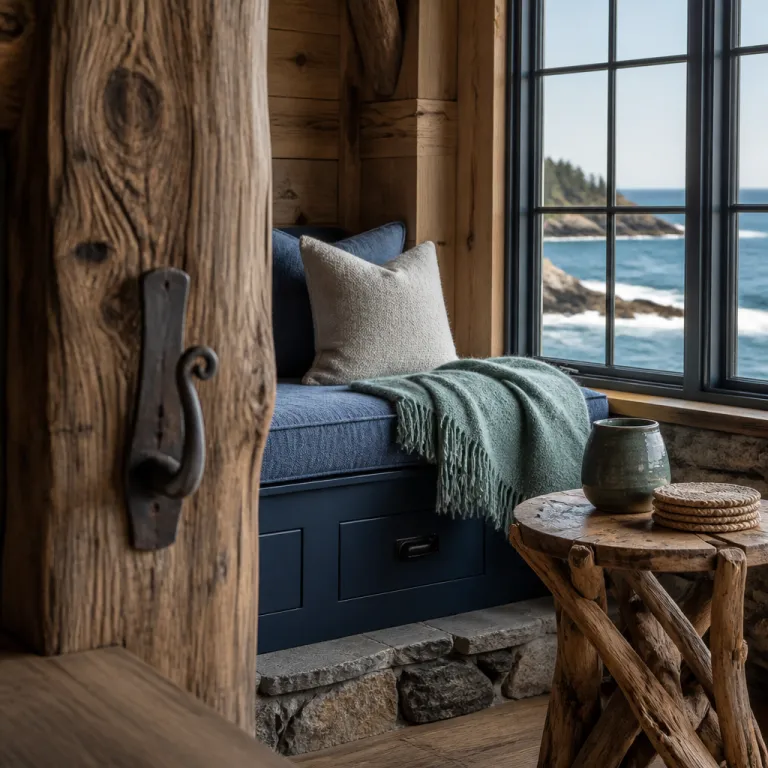
Why cabin architecture regional authenticity commands a premium
Cabin architecture regional authenticity is no longer a niche preference. Guests booking in the United States now treat architectural character as a filter, weighing house styles and cabin design as carefully as location or price. Authentic cabins often earn a measurable premium because travelers sense when a house is rooted in its own country rather than copied from a catalog.
Industry reports from platforms such as Airbnb and Vrbo have noted that distinctive, locally grounded properties tend to achieve higher ratings and stronger revenue per night than generic houses. For example, Airbnb’s 2021 internal analysis of “unique stays” found that architecturally distinctive listings outperformed standard homes on both occupancy and average daily rate, while a 2020 Vrbo trend report highlighted similar gains for character-rich cabins. Internal analyses by several boutique cabin operators suggest that regionally authentic cabins can command roughly a 10–15 percent price premium compared with comparable but style-agnostic listings, though the exact figure varies by market and season. This reflects a broader appetite for cabins where the log construction, floor layout and even the front door proportions echo local history instead of global sameness. Travelers are not just renting a cabin; they are buying into a story that begins long before their own stay and continues after they leave.
Cabin builders and regional architects respond by pairing traditional construction with discreet modern comfort. They work with local artisans to specify hand-hewn beams, locally quarried stone foundations and concrete floors that feel cool underfoot yet warm in tone. Guests, in turn, reward this attention to regional character and architectural integrity with longer stays, repeat bookings and word of mouth that no marketing budget can easily replicate.
From early american log cabins to Appalachian dogtrots
In the Appalachian ranges of North Carolina and rural Virginia, cabin architecture regional authenticity starts with the early American log tradition. The classic American log cabin used massive hand-hewn timbers, a central chimney and a compact ground floor plan that kept heat where families needed it most. Today’s luxury log cabins reinterpret those house plans with larger room volumes and more glazing, but the essential architecture remains legible to any guest who looks closely.
The dogtrot layout, with two enclosed rooms flanking an open breezeway, is a textbook example of vernacular architecture that still works. That open passage once cooled a working house in humid summers; now it becomes an outdoor living room where a solo traveler can stretch out with a book while air moves naturally between the two enclosed cabins. When you compare these plans with generic open-plan houses, you feel how history, climate and construction methods shaped every decision.
Many premium cabins in Virginia and across the wider American architecture landscape now pair an original half-story loft with a reimagined ground floor suite. A thoughtful house plan might keep the central chimney as a sculptural core while adding radiant concrete floors and carefully insulated log walls. For travelers, the appeal lies in sleeping inside a structure whose history is visible in every log, yet whose bathroom lighting and bed height quietly meet modern expectations, much like the elevated Caribbean cabin style retreat at this solstice focused cabin collection.
Pacific Northwest, Southwest and the power of materials
Move west and cabin architecture regional authenticity shifts from log to rain, stone and sun. In the Pacific Northwest, cedar-clad houses with deep overhangs and glass walls respond to a climate where precipitation and soft light define daily life. The architecture here is less about a central chimney and more about an open relationship between room, forest and sky.
High-end cabins in Oregon and Washington often combine local stone plinths with concrete floors that hold daytime warmth, echoing passive solar strategies explored in detail in this guide to passive solar cabin design. In the Southwest, adobe and rammed earth houses use clay-rich soil and thick walls as thermal mass, keeping the ground floor cool at midday and releasing stored heat at night. Here, the house plan might center on a shaded courtyard rather than a front door facing the road, yet the same principles of vernacular architecture and climate-tuned construction apply.
Guests feel this authenticity through touch as much as through sight. Bare feet on polished concrete floors, hands on rough local stone and the smell of cedar in a quiet room all signal that the cabin belongs to its place. When cabin builders respect these regional materials and construction styles, they create architecture that justifies higher nightly rates because it delivers comfort, performance and a sense of origin in one coherent design.
Scandinavian influence and the limits of imported styles
Scandinavian cabins have shaped global expectations for clean lines, open plans and pale timber, but cabin architecture regional authenticity demands more than copying a style. In the United States, many new houses borrow Nordic design language while sitting on American soil that tells a different story. The most successful projects translate Scandinavian ideas into local house styles instead of erasing early regional history.
A cabin in North Carolina might use a Scandinavian-inspired open-plan living room while retaining a traditional American log exterior and a steep roof suited to Appalachian snow. Another property in Virginia could pair a minimalist interior with hand-hewn beams and a stone central chimney that references local log construction. In both cases, the house plan respects American architecture rather than pretending the cabin was airlifted from a Norwegian fjord.
Guests sense when imported styles ignore climate, culture or construction logic. A glass box with no overhangs feels wrong in a wet American coastal forest, just as a low adobe profile would struggle in a northern, snow-heavy county. The cabins that command a premium weave Scandinavian clarity into regional materials, using local stone, earthen plasters and timber to ground the design so that every floor, room and front door still reads as part of its own country.
How hosts communicate architectural heritage in listings
For a luxury or premium cabin, architecture only adds value if guests understand what they are booking. Hosts who lean into cabin architecture regional authenticity use listing descriptions to explain the history behind their house plans and construction choices. They move beyond generic adjectives and instead describe how the ground floor follows an early American log layout or how the half-story loft mirrors traditional houses in that region.
One effective approach is to structure the listing around three anchors: history, materials and experience. Under history, a host might note that the cabin’s vernacular architecture draws from nineteenth-century log cabins in Virginia, with a central chimney and hand-hewn beams preserved during careful restoration. Under materials, they can highlight local stone foundations, earthen masonry in the hearth and concrete floors that stabilize indoor temperatures while remaining gentle on bare feet.
Experience then ties these elements back to the guest’s stay, describing how an open breezeway plan channels mountain air or how the front door still faces the original wagon road alignment. Architect Peter Zumthor has written that “the sense of place is built from materials, light and memory,” a perspective echoed by many contemporary cabin designers. Industry guidance for hosts often emphasizes that authentic designs offer unique, immersive experiences, support local artisans and preserve cultural heritage, and typically cost more to build because of specialized materials and craftsmanship. When hosts frame their cabins this way, they justify higher rates, support local builders and align with the ethos of curated, architecture-led stays showcased by properties such as this architecturally driven Caribbean retreat, where all rights reserved imagery underscores the care invested in every design decision.
FAQ
Why do guests prefer cabins with authentic regional architecture ?
Guests gravitate toward cabins with authentic regional architecture because these houses offer a sense of place that generic construction cannot match. When a cabin’s log structure, floor layout and materials reflect local history, travelers feel they are participating in that story rather than just occupying a room. This depth of experience helps explain why authentic cabins consistently achieve higher ratings and price premiums.
How can I tell if a cabin uses genuine local construction methods ?
Look for specific references to vernacular architecture, such as early American log techniques, hand-hewn beams or a central chimney typical of the region. Authentic listings often mention local stone, regional timber species and house plans adapted from historic houses in that area. Photos that show construction details on the ground floor and half story, rather than only styled interiors, are another strong indicator.
Are authentic regional cabins less comfortable than modern designs ?
Well-executed authentic cabins are at least as comfortable as modern generic houses, and often more so. Traditional plans like the dogtrot breezeway or thick-walled adobe layouts evolved to manage climate before mechanical systems existed. When cabin builders combine these time-tested styles with modern insulation, concrete floors and efficient glazing, guests enjoy both character and high-performance comfort.
Do authentic cabins cost more to book, and are they worth it ?
Authentic regional cabins usually command higher nightly rates because specialized materials, craftsmanship and careful restoration increase construction costs. For many travelers, the premium is justified by richer experiences, stronger memories and a clearer connection to the surrounding country. If you value architecture, history and a tangible sense of place, that extra spend often feels like money well allocated.
What should I look for in a listing if I care about cabin architecture regional authenticity ?
Focus on listings that explain the cabin’s architectural history, reference specific house styles and describe how the plan responds to local climate. Mentions of American log traditions, regional materials, vernacular architecture and collaboration with local artisans are all positive signs. When a host can articulate why their cabin looks and feels the way it does, you are far more likely to arrive at a place that truly belongs to its landscape.