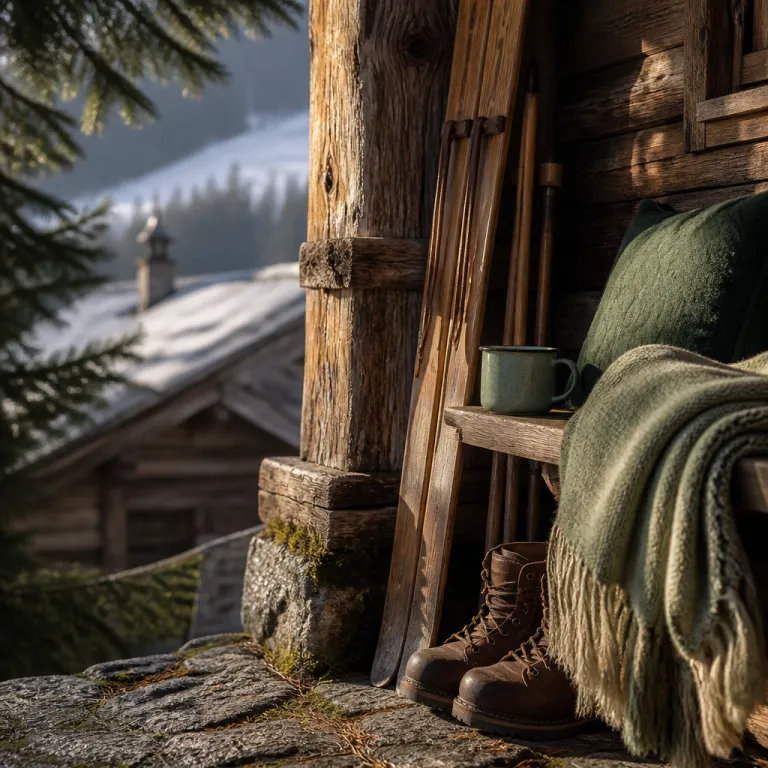
Understanding what a ski chalet really is
A ski chalet is traditionally a timber mountain house built with a broad sloping roof and deep eaves. In the classic alpine regions, this type of chalet evolved as a practical shelter for farmers and later for skiing guests seeking a warm place near the slopes. Today, when travellers ask what is a ski chalet, they usually mean a cosy yet luxury oriented retreat that blends wood, stone, and panoramic windows.
Modern ski chalets range from intimate cabins to expansive lodges that can host large family groups or several friends travelling together. Many chalets offer direct access to ski lifts, so your first ski run of the day can start almost from the front door. This proximity to the pistes transforms a simple ski holiday into an immersive mountain experience where the landscape shapes every moment of your stay.
Architecturally, a ski chalet often features exposed beams, natural stone fireplaces, and generous balconies facing the peak line. Inside, chalets designed for premium travellers combine traditional materials with contemporary comforts such as underfloor heating, spa style bathrooms, and private hot tubs on the terrace. When you compare a chalet to a standard lodge or hotel, the key difference is the feeling of being in a private mountain house rather than a conventional room corridor.
In destinations like Méribel, Val d’Isère, and Val Thorens, the term luxury ski chalet usually signals a high level of service and design. These luxury chalets may include cinema rooms, wine cellars, and wellness zones with a sauna, steam room, and a large hot tub overlooking the valley. One guest describing a recent stay in a catered chalet in Méribel summed it up simply: “It felt like our own small hotel, but with the mountains right outside the living room.” For many visitors, what ski travellers really seek is not only skiing convenience but also a place where architecture, comfort, and landscape come together in one coherent experience.
From farmstead to luxury ski lodge: how chalets evolved
The earliest chalets in alpine valleys were simple wooden houses used seasonally by herders moving cattle to higher pastures. Over time, as skiing became a popular winter activity, these chalets evolved into guest lodges that welcomed travellers for a rustic holiday in the snow. This shift from working house to ski lodge laid the foundation for today’s luxury ski properties that dominate many European ski resorts.
In French destinations such as Méribel and Val d’Isère, planners encouraged chalets designed with traditional silhouettes to preserve the mountain village character. As demand grew, developers created entire streets of ski chalets, each lodge offering a slightly different experience but sharing the same pitched roofs and timber façades. The result is a distinctive architectural language where a single chalet or a cluster of chalets can define the identity of a whole place.
Contemporary architects now reinterpret the classic chalet ski form with larger glass surfaces, sustainable materials, and flexible interiors for families and groups. Some adaptive reuse projects even convert barns or historic structures into catered chalets, blending heritage with modern comfort for a memorable ski holiday. For a deeper look at how reimagined cabins and chalets offer characterful stays, you can explore this guide to adaptive reuse cabins that guests love.
As expectations rise, luxury chalets increasingly integrate spa facilities, professional kitchens for catered ski services, and generous social spaces. Guests now compare chalet holidays not only on proximity to skiing but also on the quality of meals, wellness amenities, and the sense of private retreat. When you ask what is a ski chalet today, the answer spans from a simple wooden house near the slopes to a fully serviced luxury ski residence with every comfort considered.
Key architectural features that define a true ski chalet
Several architectural elements help you recognise a genuine ski chalet the moment you arrive. The most visible is the broad, steep roof designed to shed heavy snow while protecting balconies and entrances from winter storms. Deep eaves create sheltered outdoor spaces, so you can step outside in ski boots and still feel partially protected from the mountain weather.
Inside, the best ski chalets use natural materials such as larch, spruce, and local stone to create a warm tactile atmosphere. Open plan living areas often centre around a fireplace, with large windows framing the peak views and bringing daylight deep into the house. This layout encourages families and groups to gather after skiing, turning the main room into a social lodge where stories from the day are shared.
Many chalets designed for premium travellers include dedicated ski rooms with heated boot racks and direct access to the outside. This practical space keeps equipment organised and dry, making the start of each ski day smoother and more enjoyable. In high end properties, you may also find private wellness zones with saunas, steam rooms, and hot tubs positioned to capture the best mountain panoramas.
Architects increasingly focus on authenticity, ensuring each ski chalet reflects its region through materials, proportions, and craftsmanship. Guests are willing to pay more when a chalet hotel or private lodge feels rooted in local culture rather than generic. To understand how regional stories shape cabin and chalet architecture, you can read about how cabin architecture tells a regional story and why this matters for your next ski holiday.
Catered chalets, private service, and the modern ski holiday
When travellers research what is a ski chalet, they often encounter the term catered chalet and wonder what it means. A catered ski chalet is a property where a professional team handles meals, housekeeping, and sometimes driving, so your holiday feels effortless. This format is especially popular in ski resorts like Méribel, Val d’Isère, and Val Thorens, where guests prioritise time on the slopes over time in the kitchen.
In a typical catered chalets arrangement, breakfast and afternoon tea are served daily, with multi course dinners offered on most evenings. Menus can be tailored to family groups, with children’s meals served earlier and lighter options for guests returning from a long ski day. Many luxury chalets also provide wine pairings, canapés, and special menus for festive occasions, turning the chalet into a private restaurant style lodge.
Service levels vary, so it helps to compare what different chalets offer before you book. Some ski chalets include a private chef, host, and driver, while others focus on housekeeping and pre prepared meals. For travellers who value privacy, a self catered ski chalet can still feel luxury oriented if the house is well equipped and located close to the lifts.
On premium booking platforms, you can filter chalet holidays by service type, from fully catered ski experiences to independent stays. Many guests choose a hybrid model, enjoying catered meals on key nights and exploring village restaurants on others. If you are drawn to French alpine elegance and want a refined yet authentic stay, this overview of French chalet elegance for an alpine escape offers useful inspiration for planning your next ski holiday.
How to choose the best ski chalet for your stay
Selecting the best ski chalet starts with clarifying what you value most during your holiday. Some travellers prioritise ski in ski out access, wanting a place where they can clip into their skis just metres from the house. Others focus on interior comfort, seeking luxury ski features such as spa facilities, cinema rooms, and generous bedrooms for larger groups.
Location within the resort matters as much as the overall mountain destination. In Méribel, a chalet higher on the slope may offer faster access to the Three Valleys network, while a lodge in the centre provides easier access to shops and restaurants. In Val d’Isère and Val Thorens, altitude and orientation influence both snow reliability and the quality of peak views from your balcony or hot tub.
When comparing chalets designed for different group sizes, look carefully at floor plans and bedroom configurations. A chalet hotel style property may suit extended families who appreciate shared facilities, while a fully private chalet ski house offers more seclusion. Pay attention to practical details such as ski room layout, number of bathrooms, and whether the hot tubs are indoor or outdoor, as these elements shape the daily experience.
Service is another key factor in understanding what is a ski chalet that truly fits your needs. If you prefer a relaxed schedule, a self catered ski lodge with flexible meal options may be ideal, while food focused travellers might favour fully catered chalets with gourmet menus. Reading recent guest feedback and speaking directly with a specialist on a luxury and premium booking website for cabins can help you match the right ski chalets to your style of stay.
Design trends in luxury chalets and what they mean for guests
Current design trends in luxury chalets balance traditional alpine character with contemporary comfort. Architects are opening up interiors, creating double height living spaces where the roof structure becomes a dramatic feature above the main lodge area. Large glass panels replace some solid walls, allowing guests to feel connected to the mountain landscape even when they are relaxing indoors.
Sustainability now plays a central role in what is a ski chalet at the premium end of the market. Many new chalets designed for eco conscious travellers use high performance insulation, triple glazing, and renewable energy systems to reduce environmental impact. This approach not only lowers running costs but also keeps interiors consistently warm, which guests appreciate after a long ski day in cold conditions.
Wellness focused features are also reshaping the meaning of luxury ski accommodation. Private spa zones with saunas, steam rooms, and hot tubs are increasingly standard in top tier ski chalets, turning the property into a mini resort. Some chalets offer indoor pools, yoga rooms, and treatment spaces, so your ski holiday becomes a holistic health oriented experience rather than only a skiing trip.
For family groups, flexible spaces such as media rooms, bunk rooms, and adaptable lounges make chalet holidays more comfortable. A chalet ski house that can shift from children’s play area in the afternoon to a calm lounge in the evening serves multiple needs in one place. As these design trends spread across Méribel, Val d’Isère, Val Thorens, and other major ski resorts, travellers gain more choice in how their ideal ski chalet looks, feels, and functions throughout their stay.
Key statistics about ski chalets and alpine stays
- Industry reports from the French tourism board Atout France indicate that alpine regions in France welcome around 10 million ski holiday visitors each winter season, with a significant share choosing chalet style accommodation over standard hotels.
- Research summaries from the Compagnie des Alpes group, which operates several major ski resorts, suggest that properties marketed as luxury chalets can command nightly rates 20–40% higher than comparable apartments, largely due to private facilities such as hot tubs and spa areas.
- Surveys by the British travel association ABTA regularly note that families increasingly favour catered chalets, with a substantial proportion of family ski travellers citing in house meals and childcare friendly layouts as decisive factors when booking.
- Data published by the Three Valleys ski area, which includes Méribel and Val Thorens, highlights that ski in ski out chalets tend to achieve occupancy rates above 80% during peak weeks, as guests prioritise direct access to skiing over some other amenities.
- Studies shared by the Alpine Pearls sustainability initiative report that energy efficient chalets designed with high insulation and renewable heating can reduce winter energy consumption by up to 30% compared with older, poorly insulated mountain houses.
FAQ about ski chalets and alpine architecture
What is a ski chalet compared with a standard hotel room ?
A ski chalet is usually a self contained mountain house or lodge, often built in timber and stone, that offers multiple bedrooms, social spaces, and sometimes private wellness facilities. Unlike a standard hotel room, a chalet provides a home like environment where families and groups can share living and dining areas. Many ski chalets also include ski rooms, hot tubs, and direct access to the slopes, which are rare in conventional hotels.
Are catered chalets worth the extra cost for a ski holiday ?
Catered chalets can be excellent value for families or friends travelling together, because the cost of meals and service is shared across the whole house. Having a chef and host means you spend more time skiing and relaxing, with less time shopping and cooking. For guests who enjoy restaurant quality dinners and a seamless daily routine, the catered ski format often justifies the higher price.
How close to the slopes should my ski chalet be ?
If you plan to ski every day, a chalet within a short walk of the lifts or a true ski in ski out location will significantly enhance your stay. Being close to the pistes makes it easier for different members of larger groups to come and go at their own pace. However, chalets slightly further from the slopes sometimes offer better value and quieter surroundings, especially in busy resorts like Méribel and Val d’Isère.
Do all luxury chalets include hot tubs and spa facilities ?
Not every luxury ski chalet has a hot tub or full spa, although these features are increasingly common in high end properties. Some chalets prioritise large living spaces, cinema rooms, or exceptional views instead of wellness zones. When booking, always check whether the chalet includes a private hot tub, shared spa, or no wellness facilities at all, so expectations match reality.
Is a chalet holiday suitable for non skiers in the group ?
A chalet holiday can work very well for non skiers, because the house offers comfortable spaces to read, work, or relax while others are on the slopes. Many ski resorts provide winter walking trails, spas, and cultural activities, so non skiers still enjoy the mountain environment. Choosing a chalet close to the village centre rather than only near the lifts can make the experience more balanced for everyone.