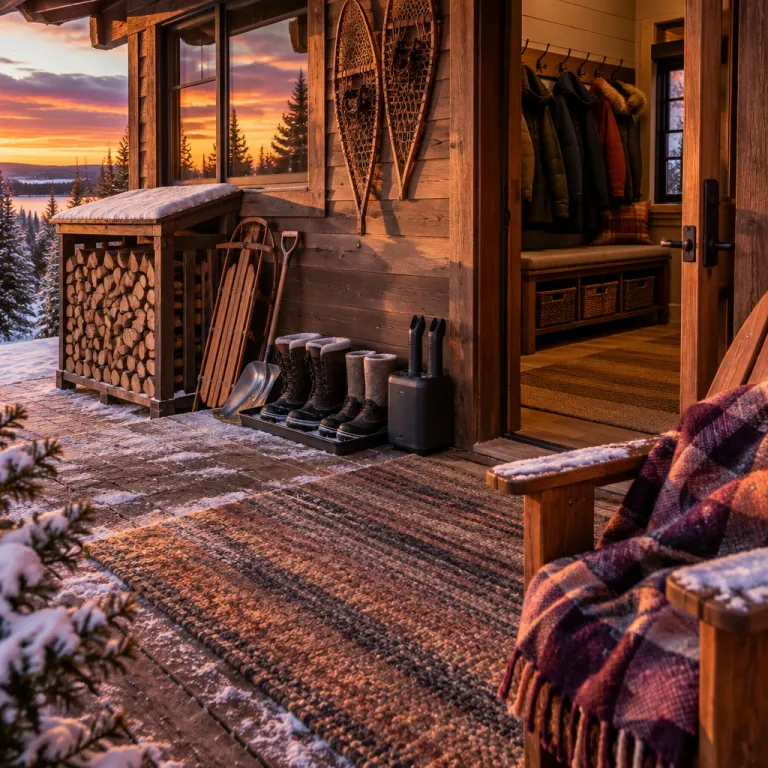
What truly makes winter cabin amenities cozy for families
A summer cabin can be charming, but a real winter cabin lives or fails on heat and layout. For a premium family stay, winter cabin amenities cozy enough for deep snow must start with reliable warmth and smart design rather than just pretty décor. When you scroll through cabins online, every photo looks inviting, yet only a few properties are engineered so that parents, children and even grandparents can stay cozy during a long cozy winter storm.
Think of a cold season cabin as a different product from its summer twin, because winter cabins need insulation, storm windows and protected water lines that keep the entire property functional when the temperature drops below freezing. A true winter cabin or log cabin should feel warm from the mudroom to the last bed, with no cold corners where guests hesitate to spend time or read after a day on the ski slopes. Families booking cabin rentals for a winter getaway should look for clear descriptions of heating systems, indoor space for drying gear and enough seating so everyone can enjoy the fire without crowding.
Luxury cabins and remote cabin lodges that take winter seriously will often highlight their cold weather engineering, not just their mountain views or proximity measured in miles to the nearest resort. When a host explains how the cabin winter systems work, from backup heat to hot water capacity, you can trust that the cozy cabin promise is more than marketing language. On a premium booking platform, the most reliable winter cabins feel like well considered real estate, where every amenity has been chosen so guests can stay cozy, sleep deeply and wake up ready for another day outside.
Heat first: wood stove, central systems and the backup that matters
When you evaluate winter cabin amenities cozy enough for a family, start with the heat before you fall for the first snow dusted photo. A cold season cabin without a clear heating plan is just a pretty shell, so ask whether the property uses central heat, a wood stove, radiant floors or a combination that keeps every room warm. The most comfortable cabins pair a modern furnace with a wood or gas stove, giving guests both reliable baseline warmth and the ritual of tending a flame.
Central systems are usually best for families with young children, because a well maintained furnace keeps the entire lodge at an even temperature while parents sleep. A wood stove can still be a highlight of a cozy winter stay, yet safe clearances, sturdy hearth guards and clear instructions are non negotiable when kids move between the bed, the sofa and the hot cocoa station. Before you confirm a winter cabin or log cabin booking, ask the host how quickly the space heats from cold, how often the system is serviced and whether there is a backup heat source if the primary one fails.
In mountain regions where power cuts are common, a backup wood stove or gas fireplace can turn a potential emergency into a memorable cabin getaway. Luxury properties near a ski resort or a state park sometimes rely on electric heat, so you should confirm whether there is a generator or alternative system that keeps pipes from freezing and guests from shivering. For high end stays that echo the thoughtful comfort of an elevated Caribbean cabin style retreat, such as the approach described in this cabin style retreat case study, the gold standard is layered heating that lets every member of the family enjoy their preferred level of warmth.
Winter ready versus merely open: structure, water and the unseen details
Not every cabin that accepts winter bookings is truly winter ready, and the difference shows on the coldest nights. A property that has been designed as a cabin winter retreat will usually mention insulation, double or triple glazed windows and sealed doors that keep drafts away from the bed and the bath. When you read listings for log cabins or remote cabin stays, look for language about winterization, protected plumbing and heated water lines that prevent frozen pipes.
Families planning a winter getaway should also pay attention to the layout, because a real winter cabin needs a mudroom or at least a tiled entry where wet boots and ski gear can drip without soaking the living room. That transition zone is where you can stay cozy while peeling off layers, hanging snow pants and letting gloves dry before the next day on the mountain or in the nearby state park. In well designed cabins, you will often find benches, hooks and even heated floors in this area, turning a functional space into part of the cozy cabin experience.
Architecture matters as much as décor, and understanding the difference between an A frame, a log cabin and a ridge top lodge helps you read between the lines of any listing. A detailed field guide to cabin architecture, such as the one explored in this global cabin architecture overview, can help you predict how snow loads, wind and sun exposure will affect comfort. When a host explains roof pitch, snow shedding and how the property handles storms, you can be confident that the winter cabin amenities cozy enough for your family extend far beyond a single fireplace.
Family comfort: space, safety and the art of staying in
For a premium family, the most valuable winter cabin amenities cozy enough for long stays are often the ones you only notice when the weather turns. Indoor space matters more in winter cabins, because you may spend time inside for an entire afternoon while snow buries the car and the ridge trail. Look for cabins with generous living rooms, multiple seating zones and enough floor space for children to play without crowding the fire.
Safety should be explicit in any listing that welcomes guests with children, especially when wood stoves, hot tubs and steep stairs are involved. Ask about guards around the stove, railings on lofts and non slip surfaces near the hot tub or indoor bath, because a winter getaway should feel warm and secure rather than anxious. In a well planned lodge or guest house, you will often find thoughtful touches such as night lights in the hallway, blackout shades in each bedroom and storage for toys or games that keep evenings calm.
Families also appreciate practical amenities that make daily routines smoother, from large dining tables to well equipped kitchens where everyone can enjoy slow breakfasts. When a cabin offers multiple bathrooms, deep soaking tubs and strong showers, parents can rotate bath time efficiently after a long day on the ski hill or the state park trails. Articles on how to book the perfect luxury cabin stay, such as this guide to an elegant house with indoor pool for rent, often highlight the same principle ; true comfort comes from aligning layout, amenities and family rhythms.
Provisioning, access and what to confirm before you book
Even the most beautifully heated cabin can feel less than cozy if the road is impassable or the firewood runs out on the second night. Before you commit to a winter cabin or remote cabin stay, ask the host detailed questions about road maintenance, plowing schedules and how many miles you will drive on unpaved surfaces. In mountain regions, a property that feels close to a resort on a summer map can become a very different proposition once snow and ice arrive.
Firewood is another non negotiable for winter cabins that rely on stoves or fireplaces, so confirm how much is included, where it is stored and whether it stays dry between storms. A well run lodge will specify whether extra wood is available, how to use the stove safely and what to do if you arrive late to a cold cabin after a long ski day. You should also ask about water supply, septic systems and any quirks that might affect a winter getaway, because small surprises feel larger when the temperature falls.
Connectivity has become part of the winter cabin amenities cozy checklist, especially for families balancing remote work and school. Ask about cell coverage, Wi Fi reliability during storms and backup power options, so guests can enjoy both digital downtime and essential access when needed. When you approach each listing with the calm scrutiny of a real estate inspection, you dramatically increase the odds that your cabin getaway will feel earned rather than improvised, and that every member of the family will stay cozy from the first snowfall to the last morning coffee.
FAQ
How can I tell if a cabin is truly winter ready and not just open year round ?
A truly winter ready cabin will mention insulation, double or triple glazed windows, protected water lines and a clear heating system description rather than only highlighting décor. Look for details about storm windows, sealed doors, mudrooms and how the host manages snow loads or power cuts. If a listing is vague about these structural elements, ask direct questions before booking.
What heating setup is best for a family friendly winter cabin stay ?
For most families, a central heating system combined with a wood or gas stove offers the best balance of safety, reliability and atmosphere. Central heat keeps bedrooms and bathrooms consistently warm at night, while the stove provides a focal point for evenings. Always confirm stove safety features such as guards, clearances and instructions if you are traveling with children.
Which amenities matter most for a comfortable snowed in day with kids ?
Generous indoor space, multiple seating areas and a large dining table make long indoor stretches more pleasant. Families also benefit from good lighting, stocked games or books, and practical storage for wet gear near the entrance. When these elements combine with strong heating and sound insulation, a snowed in day can feel like a highlight rather than a setback.
How important is road access and plowing for a winter cabin booking ?
Road access and plowing are critical, especially in mountain regions where conditions change quickly. You should ask who is responsible for plowing, how often it happens and whether a four wheel drive vehicle is recommended. Clear answers here can prevent stressful arrivals and ensure emergency services can reach the property if needed.
What should I ask a host about utilities and connectivity before a winter stay ?
Ask about the reliability of electricity, water supply, septic systems and Wi Fi during storms, as well as any backup power solutions. Clarify whether cell coverage exists at the property or only at certain points along the road. These questions help you plan realistically and avoid surprises when the weather turns severe.