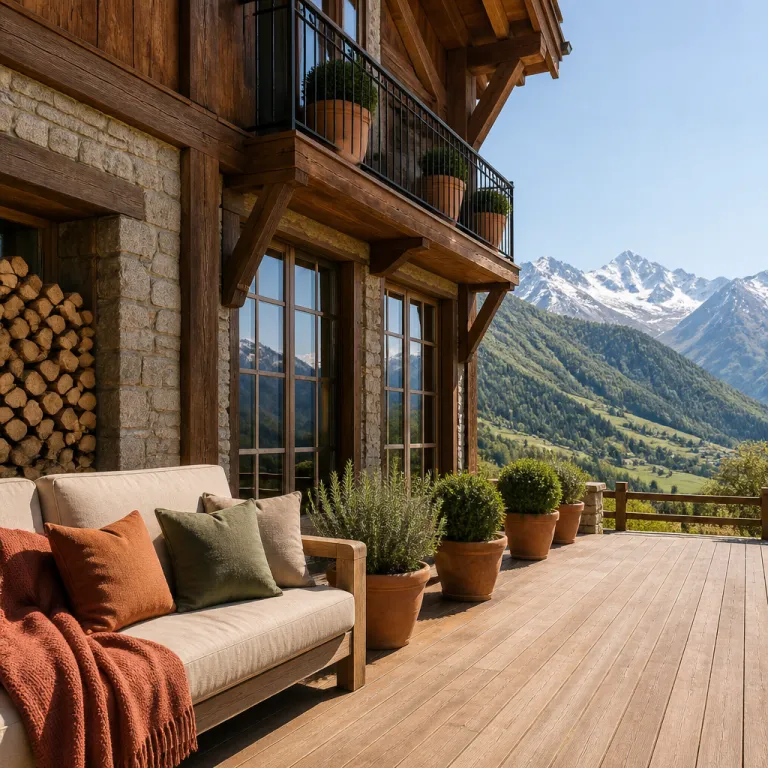
French chalet heritage reimagined for modern luxury stays
A traditional French chalet began as a wooden alpine house for dairy farmers, yet today it defines some of the most refined mountain retreats in Europe. These chalets were originally built by French dairy farmers using local spruce, larch, and river stone, and this heritage still shapes how luxury chalet architecture feels in the French Alps. When you book a stay, you step into a living story where an old French farmhouse becomes a serene base for your ski or summer visit, often with the comfort level of a discreet boutique hotel.
Across the alpine regions of France, from Haute-Savoie to Savoie, many contemporary chalets now span around 150 square metres, a scale that suits families and small groups without feeling overwhelming. That footprint allows generous bedrooms, separate sleeping zones, and open-plan living spaces without losing the intimate character of a mountain house. Regional real estate data from 2023 shows that three- to five-bedroom chalets in this size range form the core of the premium rental market, and many modern homeowners commission an exceptional chalet with wide eaves, carved balconies, and panoramic views that echo the original Alps chalet silhouettes.
Architects specialising in alpine design work closely with local craftsmen to respect traditional methods while adding comfort. They still rely on time-honoured woodworking techniques for the main structure, yet they integrate underfloor heating, spa areas, and advanced insulation to create each new luxury chalet. This balance between rustic beams and contemporary amenities is why ski chalets in a charming village feel both authentic and indulgent for discerning guests; as architect Jean-Charles Covarel summarised in an interview about his work in Megève, “the goal is to keep the soul of the barn while giving guests the comfort of a boutique hotel.”
Designing bedrooms and living spaces for restorative mountain nights
Thoughtful interior design defines whether a French chalet feels merely pretty or genuinely restorative after a long ski day. In the most refined chalets, bedrooms are treated as private sanctuaries, with each bed positioned to capture alpine light or discreet night-time views of the slopes. Designers often favour natural materials, so you will see wool throws, linen, and aged oak floors softening the strong lines of the timber structure and improving acoustic comfort.
For couples or solo travellers, a compact Alps chalet might offer two or three bedrooms, each with an en suite bathroom and carefully layered lighting. Families or British multi-generational groups often seek a grand house layout with five or more bedrooms, bunk rooms for children, and a flexible playroom that converts into extra sleeping space. When you compare options on a luxury and premium booking website, filter by bedroom count and bed configuration rather than only by total surface area, because a well-planned three-bedroom chalet can feel more liveable than a larger but poorly organised property.
Living areas in a luxury chalet usually centre around a fireplace or wood stove, which shapes how guests relax and connect. The glow of the fire has a measurable emotional effect on guests, and research into the psychology of firelight explains why cabins and chalets with stoves often command premium rates; one 2014 study in Evolutionary Psychology even linked firelight to lower blood pressure and increased relaxation. When you plan your visit, prioritise layouts where the main seating area, dining table, and kitchen all share that warm focal point, because it transforms simple evenings into memorable alpine rituals.
Iconic French Alps locations and how design responds to each region
Not every French chalet feels the same, because each region in the French Alps shapes architecture, materials, and lifestyle. In Méribel, at the heart of the Trois Vallées ski region, many ski chalets sit on gentle slopes with easy access to pistes, so panoramic views often frame both forest and wide groomed runs. Here, a luxury chalet may feature grand picture windows, wraparound terraces, and ski rooms opening directly to the snow, emphasising sun exposure and après-ski gatherings.
In Megève, the atmosphere leans towards a charming village aesthetic, with chalets for sale often highlighting proximity to the historic centre and its church square. Interiors in this location tend to favour understated blanc luxury palettes, with soft neutrals and traditional fabrics that echo the town’s farming roots while appealing to a cosmopolitan French and British clientele. Market reports from local agents show that properties within a short walk of the pedestrian core achieve some of the highest price per square metre in the region, so when browsing a booking platform, pay attention to whether a French chalet property sits near the centre or higher on the slopes, because that location will define your daily rhythm.
Val d’Isère and the neighbouring Tignes ski resort form a high-altitude playground where snow reliability is a major draw. Here, an Alps chalet or exceptional chalet often incorporates robust stone bases, deeper eaves, and high-performance glazing to withstand harsher conditions while still offering panoramic views of the surrounding peaks. For travellers curious about how these regional variations compare with cabins worldwide, a field guide to cabin architecture styles across the globe can help you understand why a chalet in the French Alps feels distinct from a North American log home or a Scandinavian timber cabin.
Signature views and wellness features that elevate a French chalet stay
One of the strongest reasons to choose a French chalet over a standard hotel is the way architecture frames nature. Many chalets in the French Alps are oriented to capture direct sightlines towards Mont Blanc or other grand peaks, and these panoramic views influence every design decision from window placement to terrace depth. When you evaluate listings, look for floor plans and photos that show how the main living areas relate to the landscape, not just the décor or furniture style.
Wellness spaces have become central to the modern luxury chalet, especially in highly sought destinations such as Megève, Méribel, and Val d’Isère. You will often find indoor pools, hammams, or outdoor hot tubs inspired by the spa culture of towns like Aix-les-Bains or Brides-les-Bains, where the term “les bains” signals a long tradition of thermal relaxation. In many chalet sale descriptions, owners highlight these spa zones because they extend the rental potential beyond the core ski season into hiking and wellness retreats, and Atout France notes that health-focused stays now represent a growing share of alpine tourism.
Terraces and balconies also play a crucial role in how an Alps chalet feels throughout the year. A well-planned house will offer sheltered outdoor dining, sun loungers, and sometimes a fire pit, allowing guests to enjoy the alpine air even in cooler months. When browsing a luxury and premium booking website, use filters and photos to confirm that the bedrooms and shared spaces connect smoothly to these outdoor areas, because that connection often matters more than an extra bed, marginally lower price, or a purely decorative design feature.
Balancing price, rental potential, and design when choosing your chalet
For many travellers, the line between booking a French chalet stay and considering a future purchase can be surprisingly thin. Spending a week in a luxury chalet allows you to test how many bedrooms you truly need, which layouts feel comfortable, and whether a particular location suits your lifestyle. This lived experience becomes invaluable if you later explore chalet sale listings or even a long-term rental in the same region, because you can compare real stays with marketing descriptions.
In the French Alps, price varies widely between resorts, with Méribel, Megève, and Val d’Isère among the most highly sought markets. A French chalet property with easy access to lifts, strong rental potential, and unobstructed panoramic views of Mont Blanc or major peaks will command a premium, whether you look at short-term stays or eventual sale opportunities in France. Recent regional reports often cite price bands from roughly €8,000 to more than €20,000 per square metre in the most exclusive streets, so when comparing options, consider not only nightly rates but also what is included, such as in-house staff, transfers, or ski passes, because these elements can shift the overall value significantly.
Even if you are focused purely on holidays, thinking like an investor can sharpen your choices. Ask whether the built environment feels durable, whether the house uses quality materials, and how flexible the rooms are for different group sizes. For deeper insight into how premium cabins and chalets position themselves in the market, you can consult this analysis of luxury and premium cabin rental strategies, then apply similar criteria when you shortlist your next alpine escape and weigh design, price, and long-term appeal.
Practical tips for booking and timing your French chalet escape
Securing the right French chalet at the right moment requires strategic timing and clear priorities. Alpine destinations in the French Alps experience two main peaks, with ski season and summer hiking weeks filling calendars quickly, so early booking is essential for the most exceptional chalet options. Industry guidance consistently recommends that travellers “Visit during summer for hiking, Book chalets early during ski season,” and many operators report that prime February weeks in flagship resorts can sell out nearly a year in advance.
When you search on a luxury and premium booking website, start by defining your must-haves, such as the number of bedrooms, proximity to a ski resort, or whether you need easy access to a charming village centre. Then refine by softer preferences, including interior style, presence of a fireplace, or specific wellness features like a “les bains” inspired spa area. This layered approach prevents you from overpaying for a grand house that looks impressive online but does not match how your group actually travels, whether you prioritise long lunches on the terrace or first lifts every morning.
Finally, consider transport and arrival logistics, because they shape the first and last memories of your stay. Some Alps chalet properties sit close to train stations or shuttle routes, while others require private transfers or winter driving skills on steep roads. Clarifying these details before you confirm will help ensure that your luxury chalet experience feels seamless from the first panoramic views of the mountains to the final evening by the fire, when the journey home is already planned and stress-free.
Key figures and trends shaping French chalet stays
- Typical floor areas for a French chalet in alpine regions often hover around 150 square metres, which comfortably accommodates three to five bedrooms for families or small groups, according to sector overviews from Atout France and regional real estate reports.
- There may be tens of thousands of chalets across France, with a significant concentration in the French Alps, illustrating how deeply the chalet tradition is embedded in mountain tourism infrastructure and local building culture.
- Chalets originally served dairy farmers only during summer months in the 18th century, yet many properties are now insulated and equipped for year-round use, extending both rental potential and guest comfort across winter, spring, summer, and autumn.
- High demand in resorts such as Méribel, Megève, and Val d’Isère keeps occupancy rates strong across both winter ski and summer hiking seasons, which supports continued investment in luxury chalet design and services, including in-house concierges and wellness facilities.
FAQ about French chalet stays
What defines a traditional French chalet in the Alps?
A traditional French chalet is a wooden house with a sloping roof and wide eaves, typically found in alpine regions where heavy snow and strong sun require protective architecture. These buildings often combine timber upper levels with stone bases, creating durability and thermal mass. Inside, exposed beams, compact rooms, and a central fireplace remain characteristic features, even when the property has been upgraded to luxury standards.
Are French chalets suitable for year-round stays?
Many French chalets are now designed or renovated for year-round use, with strong insulation, efficient heating, and moisture control. While they once served mainly as summer shelters for farmers, modern chalets welcome guests for both ski seasons and warm-weather hiking or cycling trips. When booking, check whether the property description mentions winterisation, four-season comfort, and energy-efficient systems such as triple glazing or heat pumps.
How early should I book a chalet in popular ski resorts?
In highly sought resorts such as Méribel, Megève, and Val d’Isère, it is wise to secure a chalet at least several months before peak holiday weeks. Prime dates around major school holidays can sell out quickly, especially for larger houses with five or more bedrooms. Flexible travellers who can shift by a week often find better price options and a wider choice of luxury chalet designs, including last-minute openings in exceptional chalets that would otherwise be fully booked.
What is the difference between a chalet and a standard mountain hotel?
A chalet usually offers a self-contained house with private living spaces, kitchens, and terraces, while a hotel focuses on individual rooms and shared facilities. Guests choosing a French chalet gain more privacy, customisable dining, and often direct access to nature from their own garden or balcony. Hotels, by contrast, may provide broader on-site services but less personalised spatial design, which is why many families and groups now favour chalet stays for longer alpine holidays.
Which regions in the French Alps are best for a first chalet visit?
For a first visit, many travellers choose the Trois Vallées area around Méribel, the elegant village of Megève, or the high-altitude slopes of Val d’Isère, because each combines strong ski infrastructure with a charming village atmosphere. These regions offer a wide range of ski chalets, from compact Alps chalet options to expansive grand houses with spa facilities. Your ideal choice will depend on whether you prioritise ski terrain, nightlife, family-friendly services, or quiet panoramic views, so it can be helpful to compare two contrasting resorts on your first trip.
References
- Atout France – official tourism data and insights on the French Alps regions, including accommodation trends and wellness tourism.
- France Montagnes – resort-level information on Méribel, Megève, Val d’Isère, and other ski destinations, with figures on visitor numbers and seasonality.
- Ministère de la Culture – resources on traditional alpine architecture and heritage preservation in France, covering historic chalet construction methods.